We hand-pick all products. When you buy something, we may earn a commission.
A Quick Look at the Classic Denim Jacket Styles
You don’t need to know the difference between a Type II and a Storm Rider to wear either of them. But if you do want to understand where they come from and why they look the way they do, this guide has the answers.
This isn’t a historian’s deep dive—it’s a practical field guide to the main styles of denim jackets as we know them: the Type I, Type II, Type III, chore coats, and the Western denim jacket styles, including my picks of the best versions available today.
I’ve also added a quick reference for dating vintage Levi’s jackets, in case you’ve got one at home or you’re hunting for one. And if you’re after the best raw denim versions, we have a full buying guide for those here.
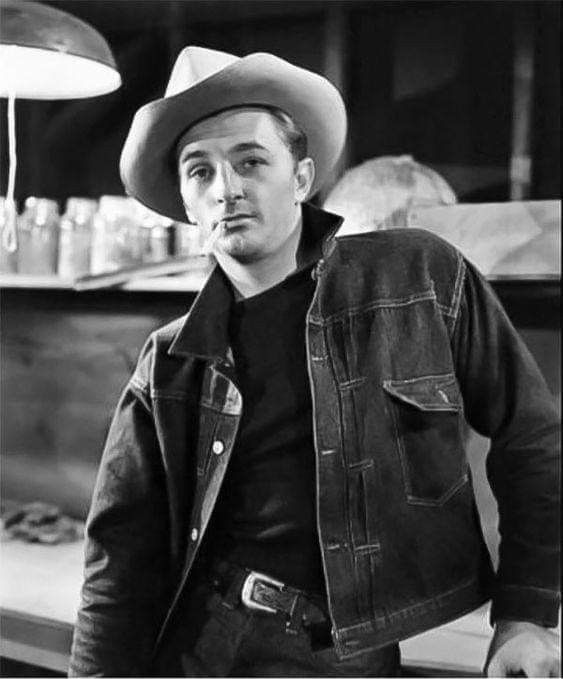
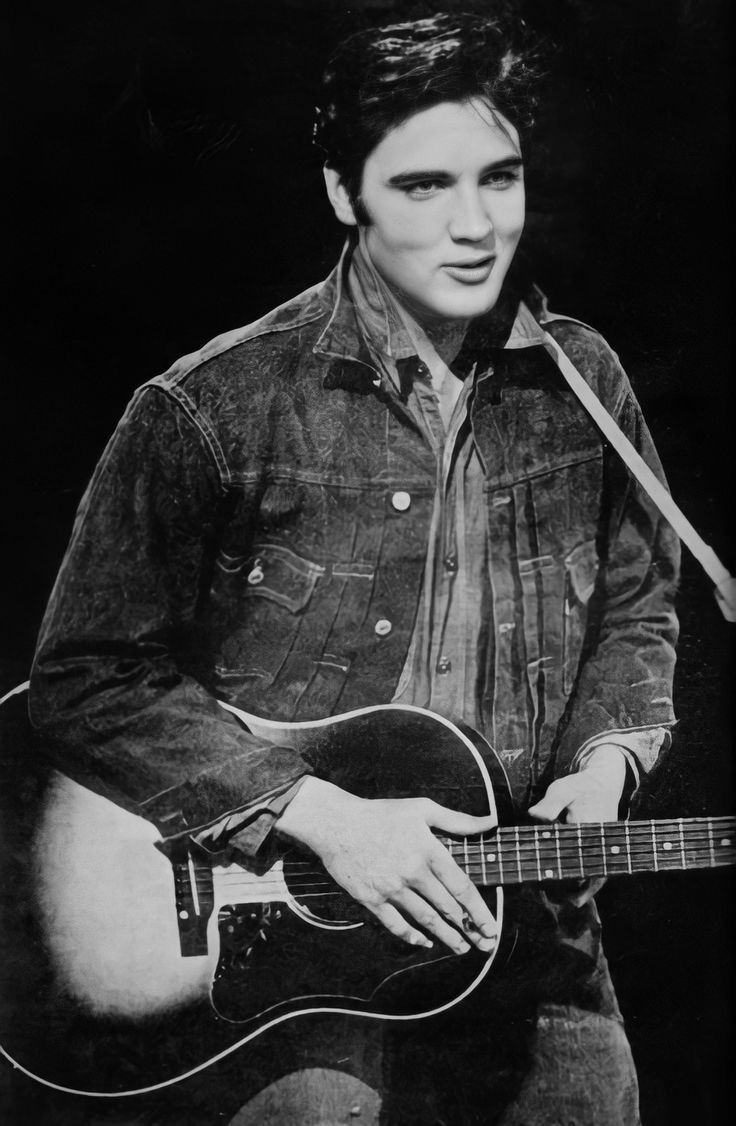
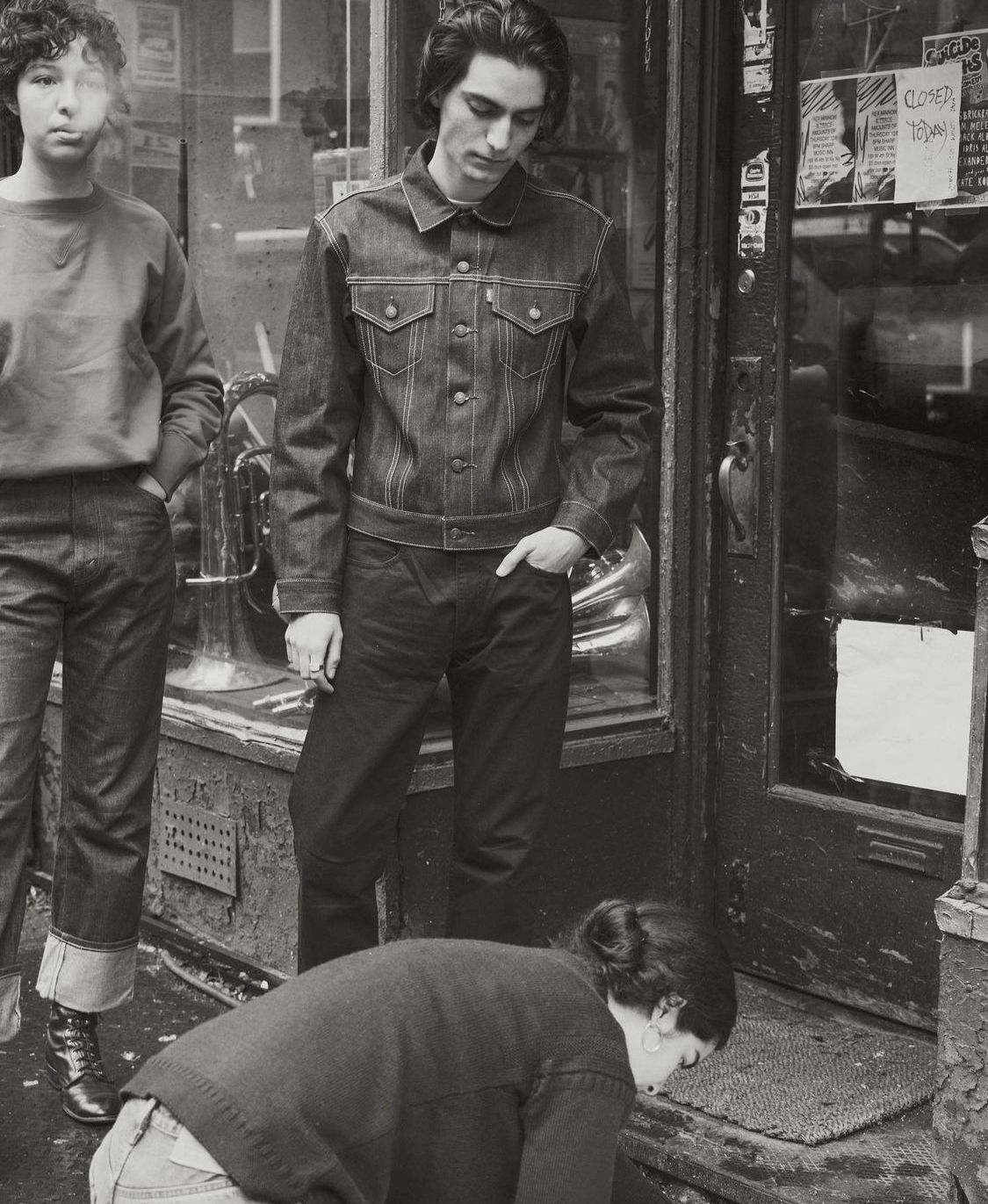
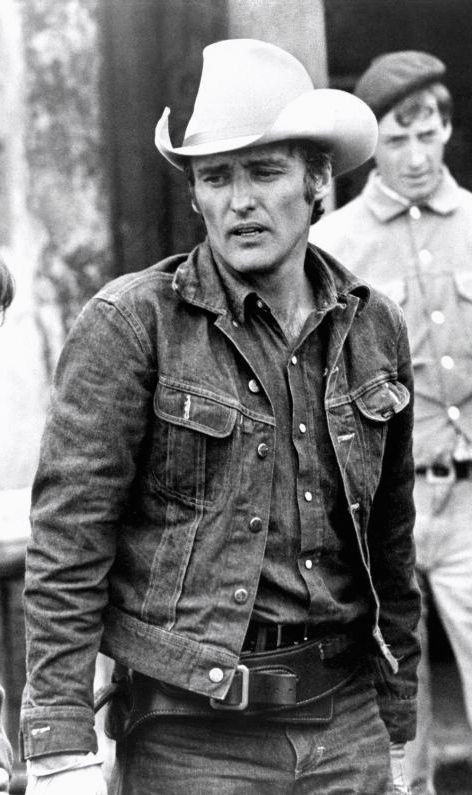
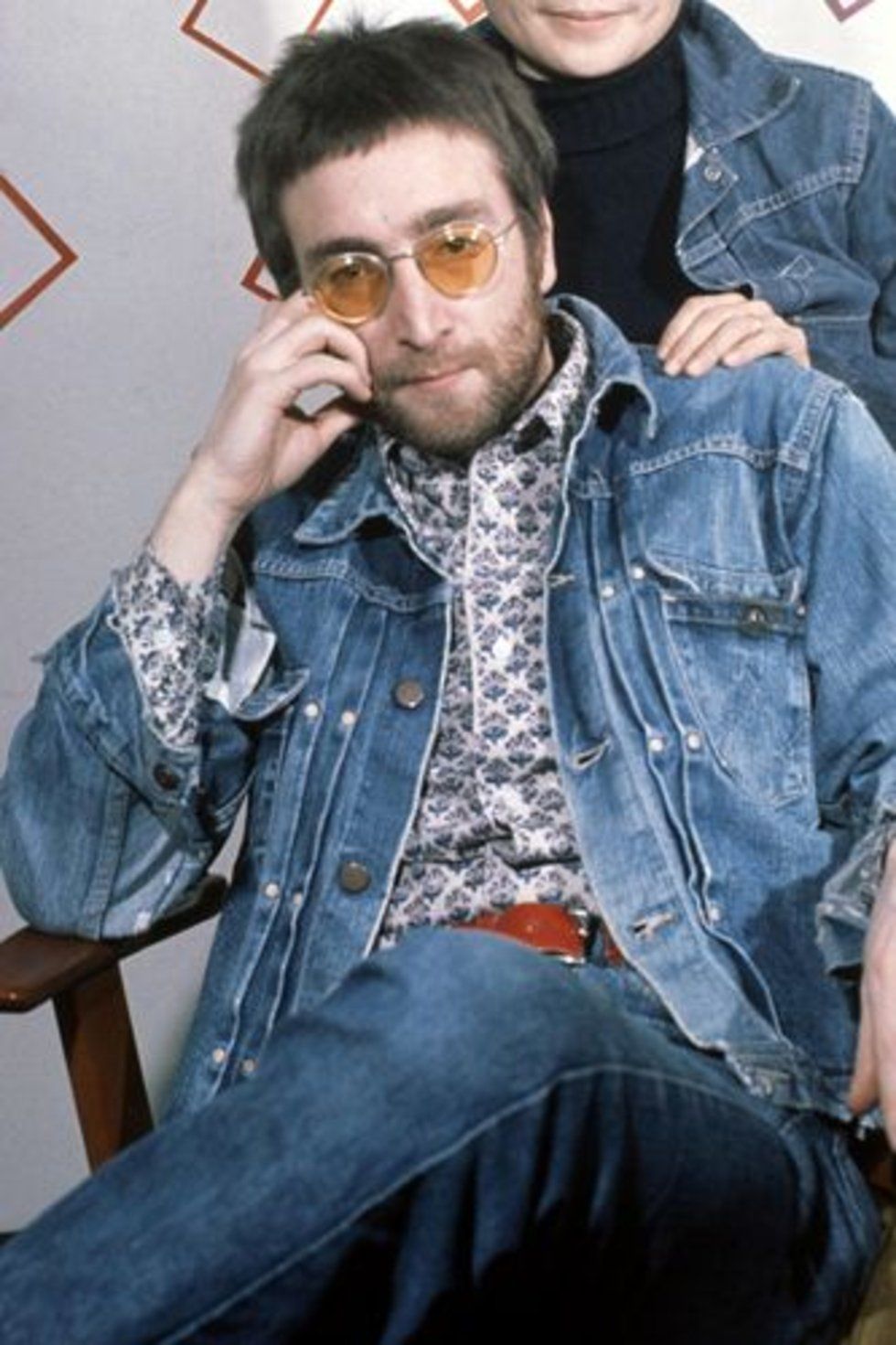
Type I: The Original Workhorse (1905–1953)
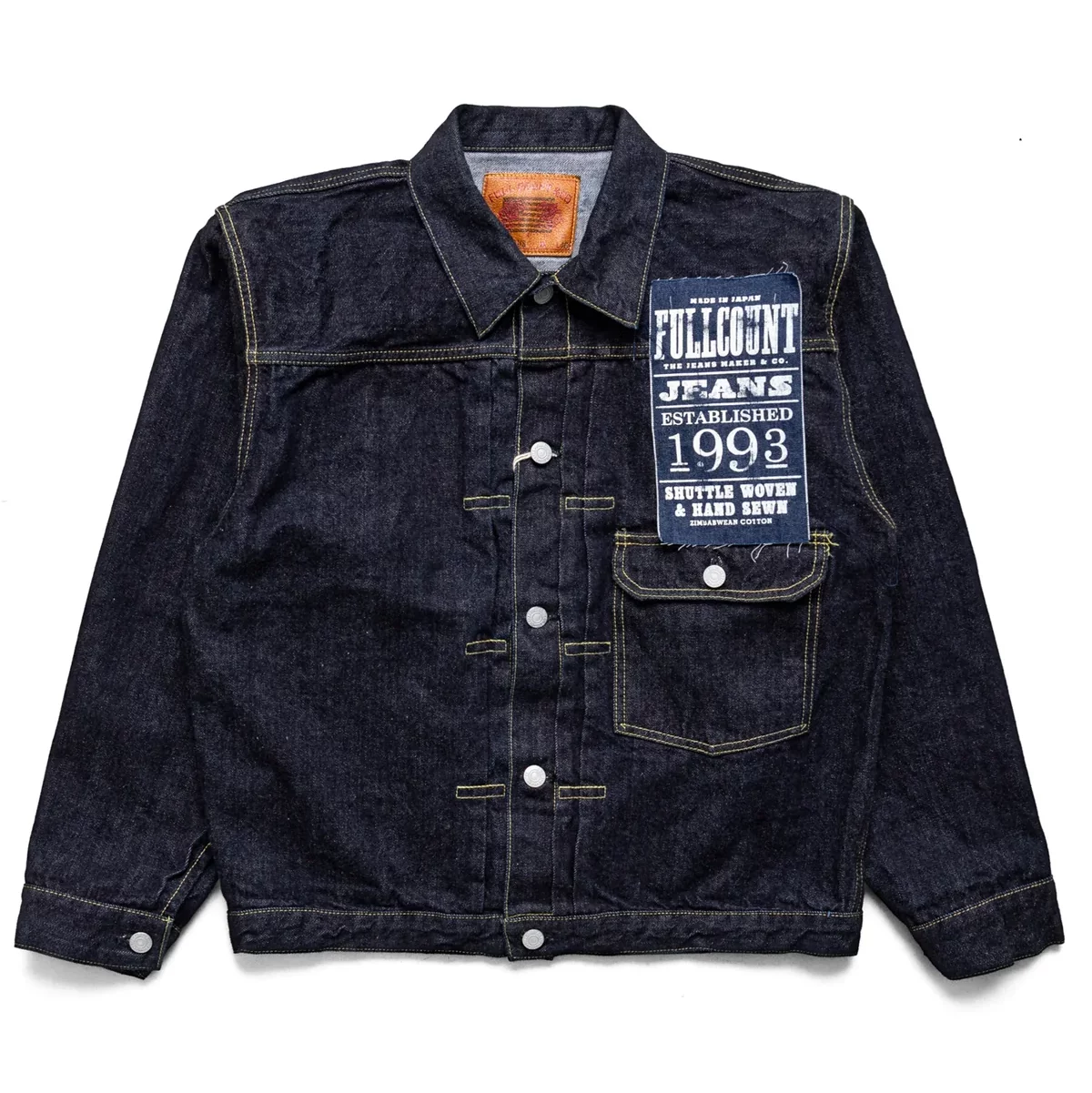
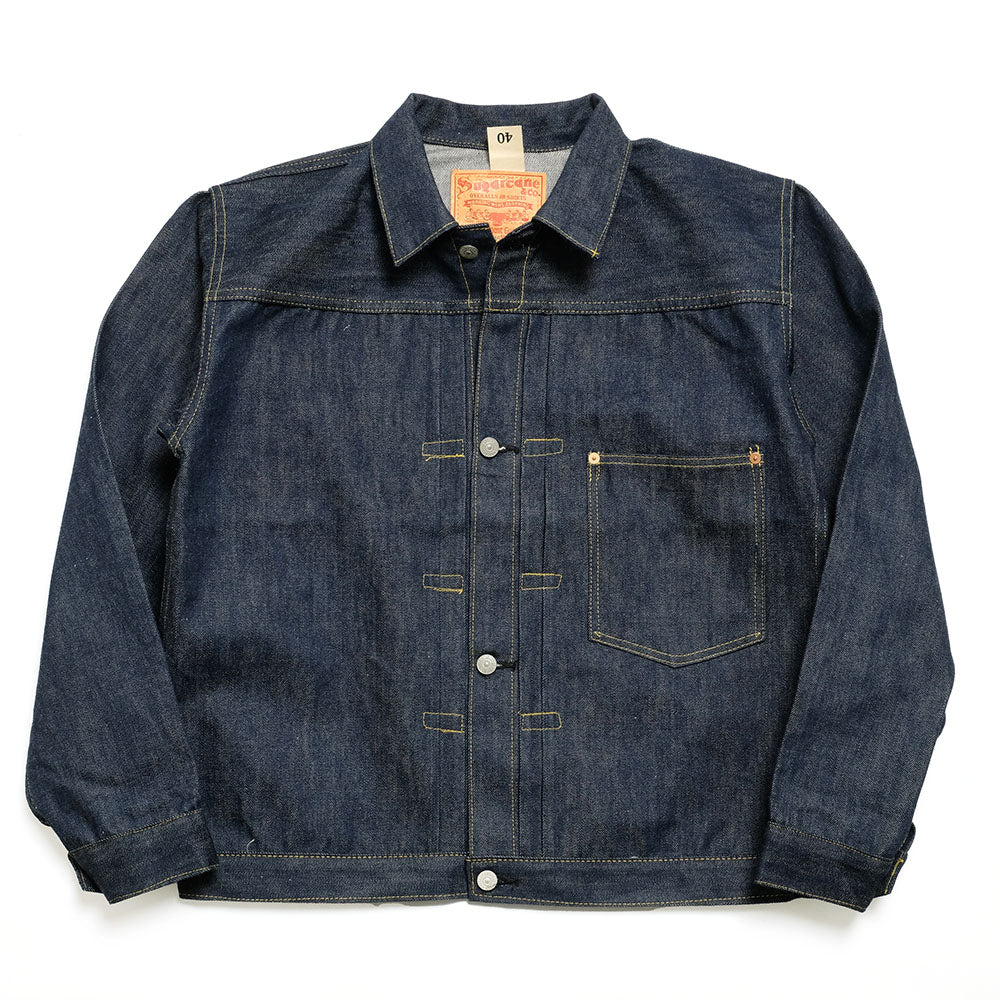
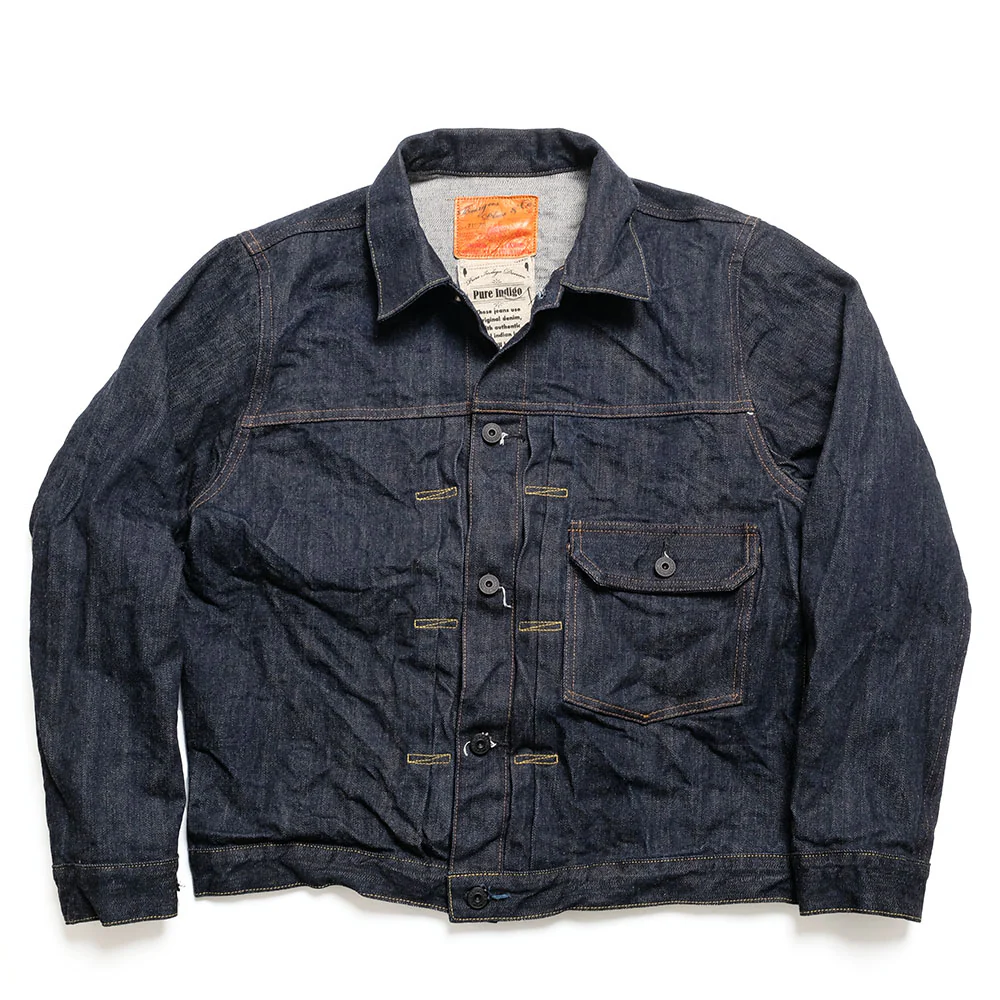
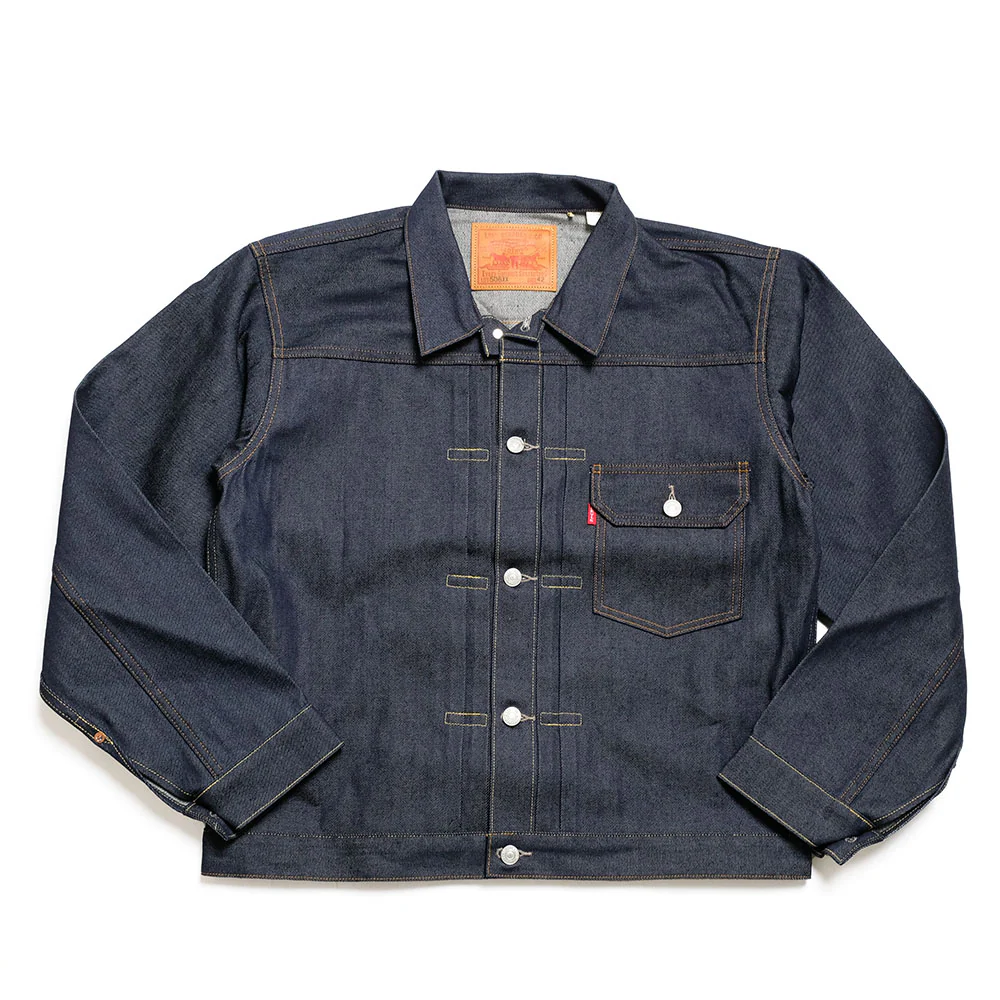
Levi Strauss & Co. launched the 506XX blouse in 1905—that’s the style we now call the Type I. It’s short, boxy, and brutally practical: one chest pocket, pleats for movement, and a cinch-back to tighten the waist when needed.
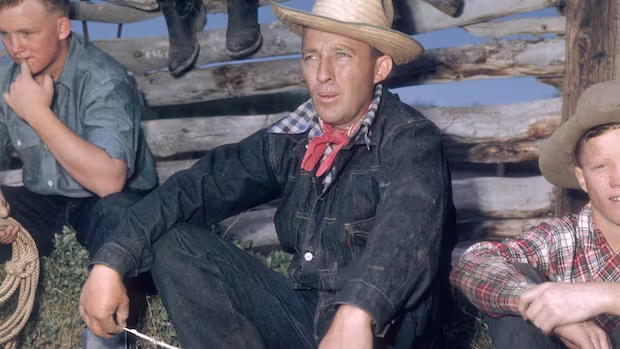
This was workwear in its purest form. The short body made it easier to reach tool belts and trouser pockets—especially since jeans sat much higher on the waist back then.
It evolved through small tweaks: pocket flaps came and went, donut buttons appeared during wartime metal rationing, and the Red Tab arrived in 1936.
All versions share the same silhouette: short, square, and solid.
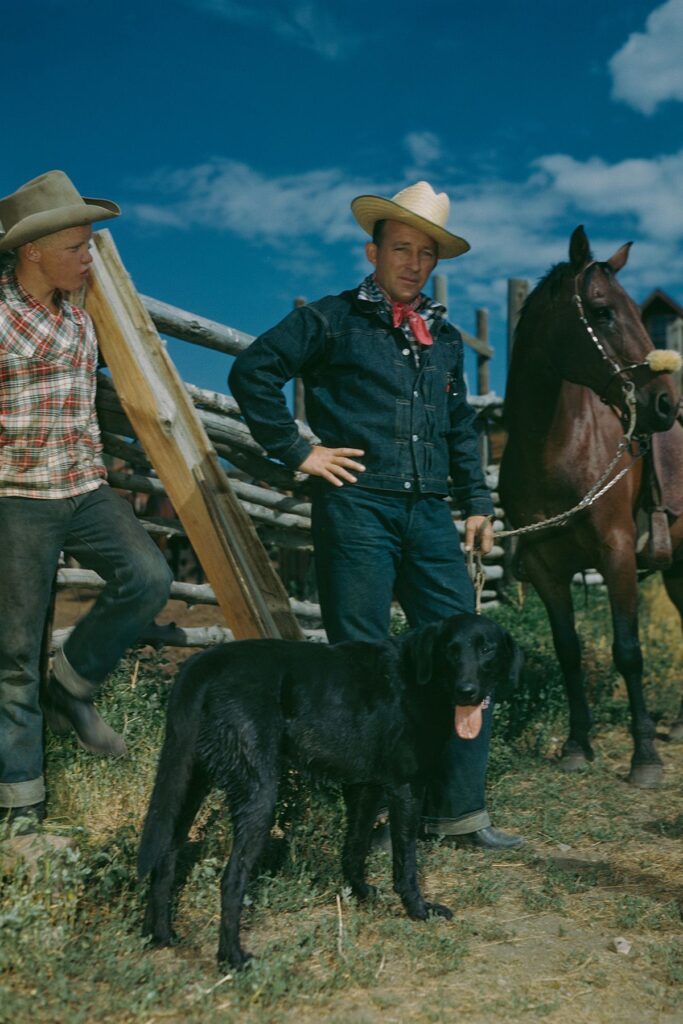
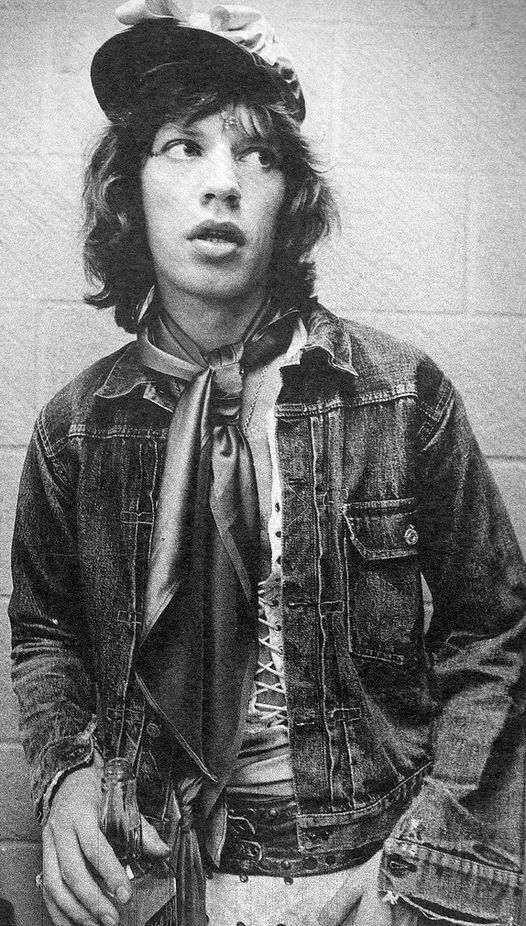
Fun fact: In 1951, Bing Crosby was turned away from a Vancouver hotel for showing up in head-to-toe Levi’s. The brand’s response: a custom denim tuxedo that gave us the term “Canadian Tuxedo” for double denim outfits.
How to Wear a Type I Denim Jacket
That cropped, cinched cut is still the secret weapon of the Type I. It sits high on the waist, so it works best with higher-rise jeans or trousers.
Keep what’s underneath short too—a tucked-in tee or chambray shirt—and let the jacket’s shape do the talking. Avoid long untucked shirts; they’ll hang awkwardly below the jacket’s hem.
The Type I brings structure to relaxed fits and looks great layered under a heavier coat. Below, I’ve rounded up a small handful of Type I jackets you can buy today.
Type II: Refinement and Symmetry (1953–1962)
By the early ’50s, America was changing, and the denim jacket was shifting from a tool for miners and mechanics to a cultural shorthand for cool.
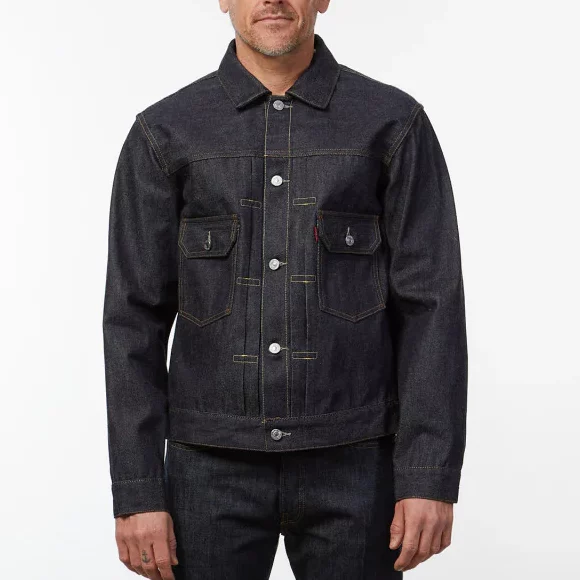
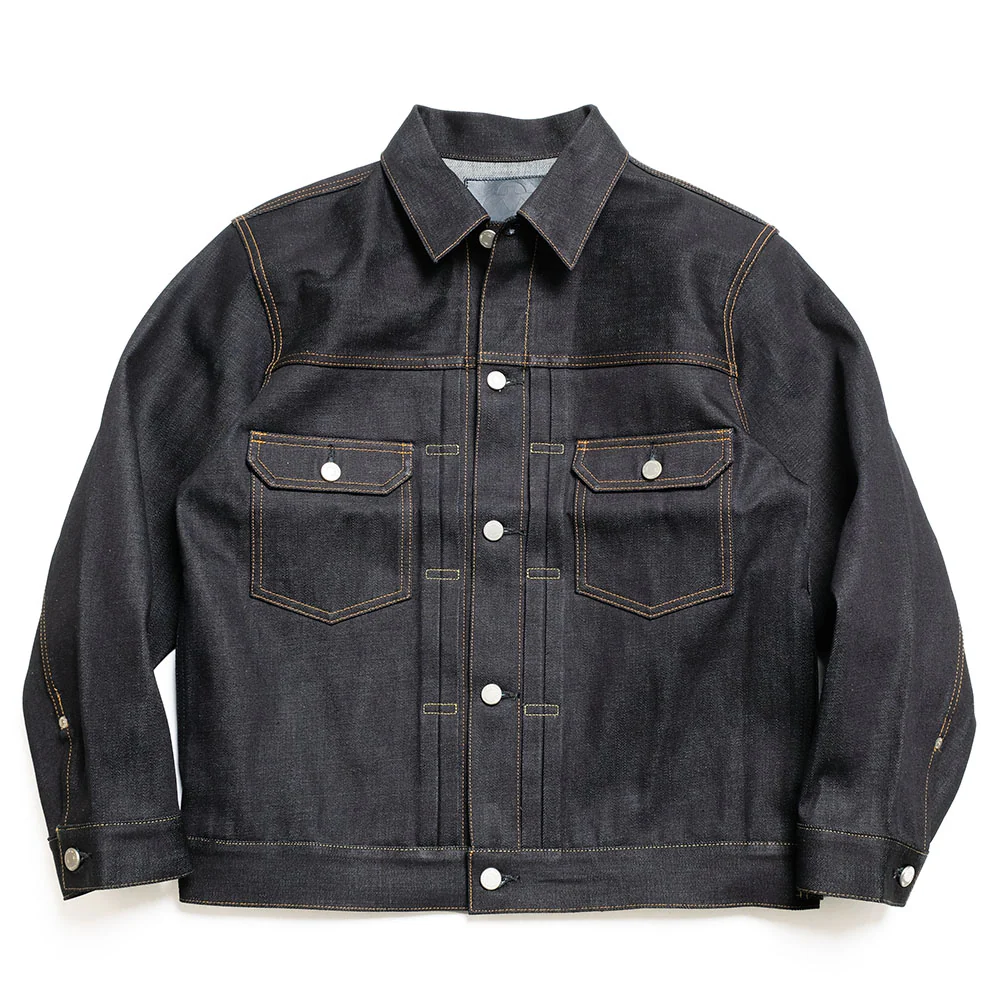
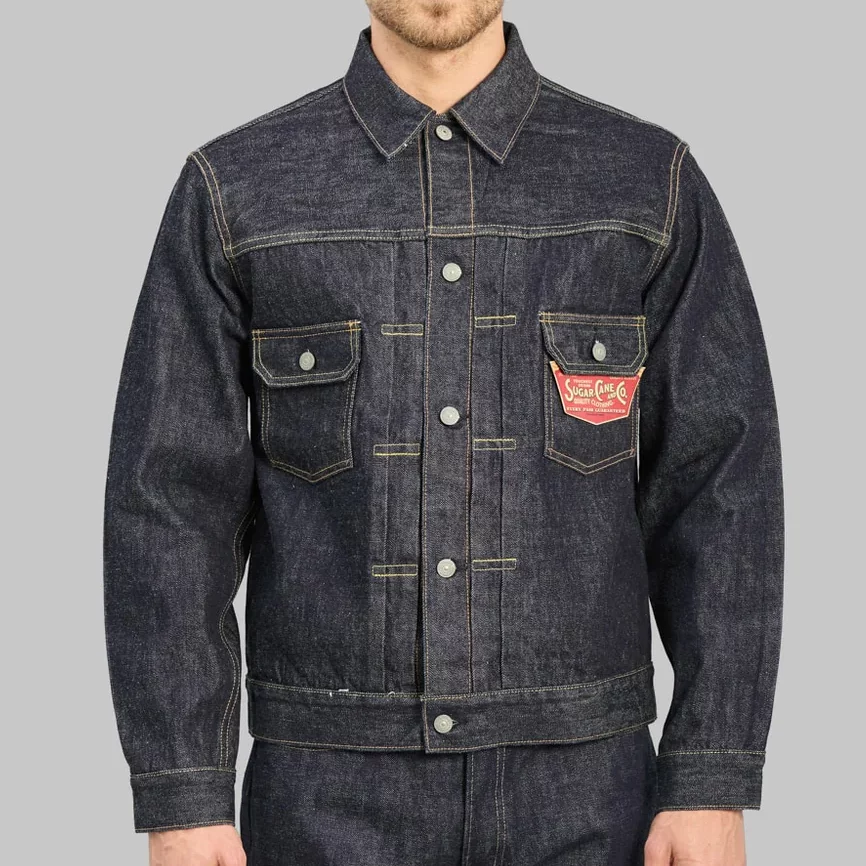
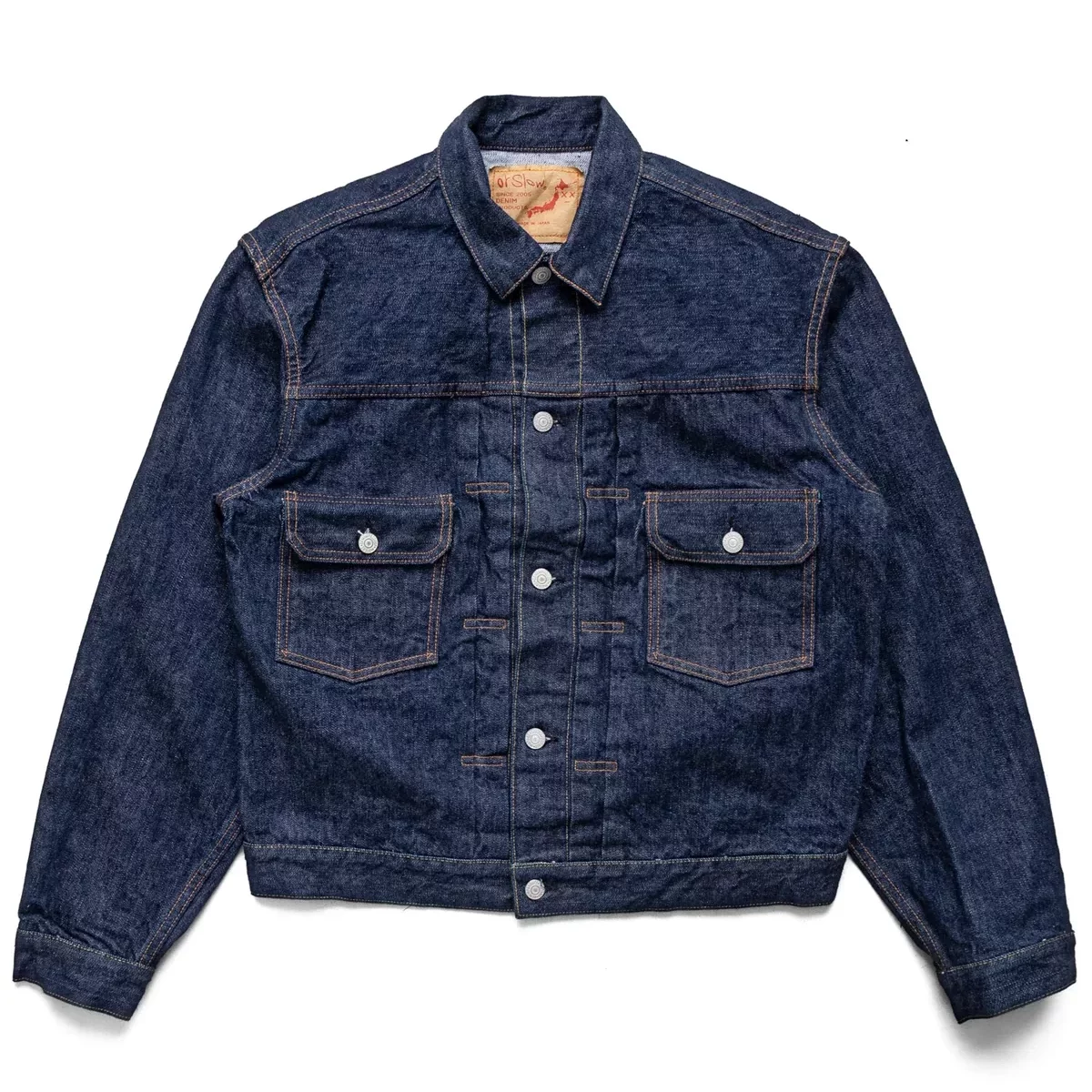
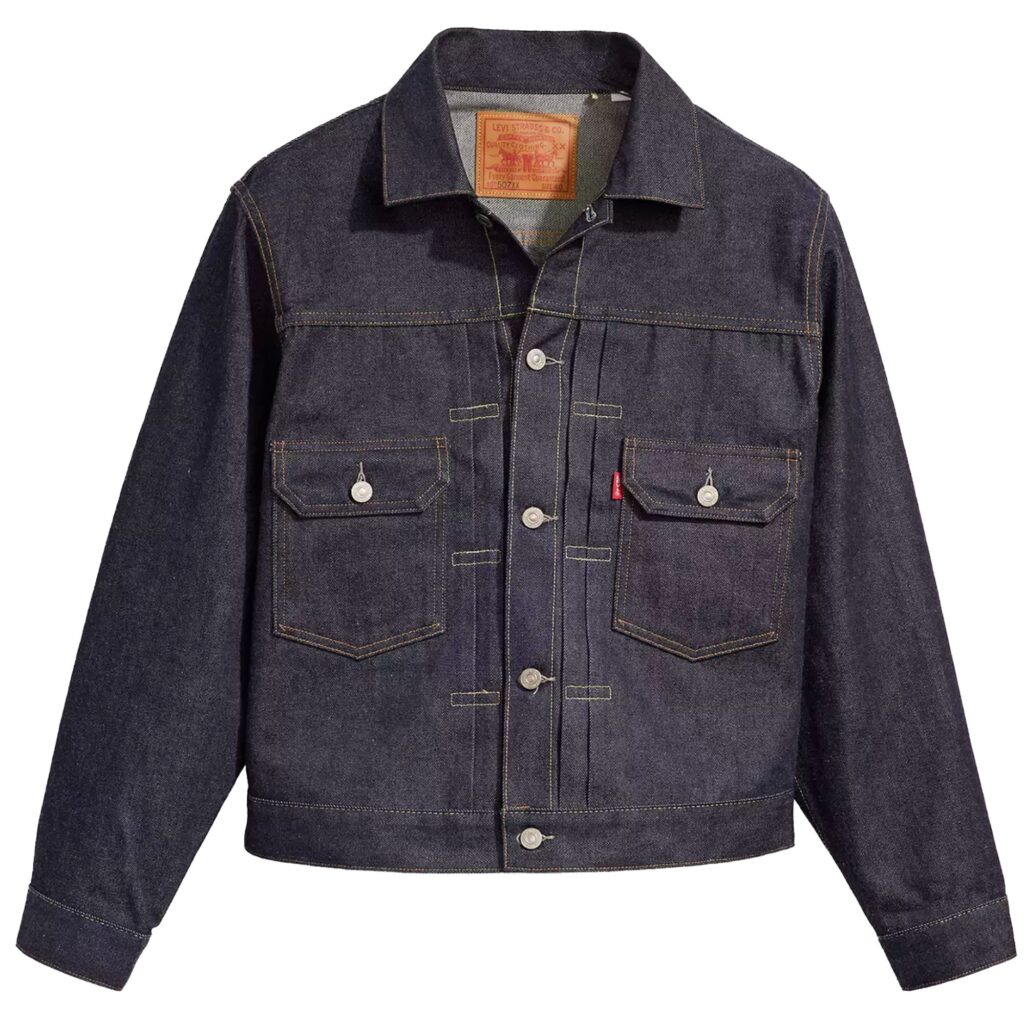
Levi’s responded with the 507XX, better known as the Type II. It added a second chest pocket and lost the cinch back, replacing it with side tabs. The fit stayed short and boxy, but the jacket looked cleaner, more balanced.
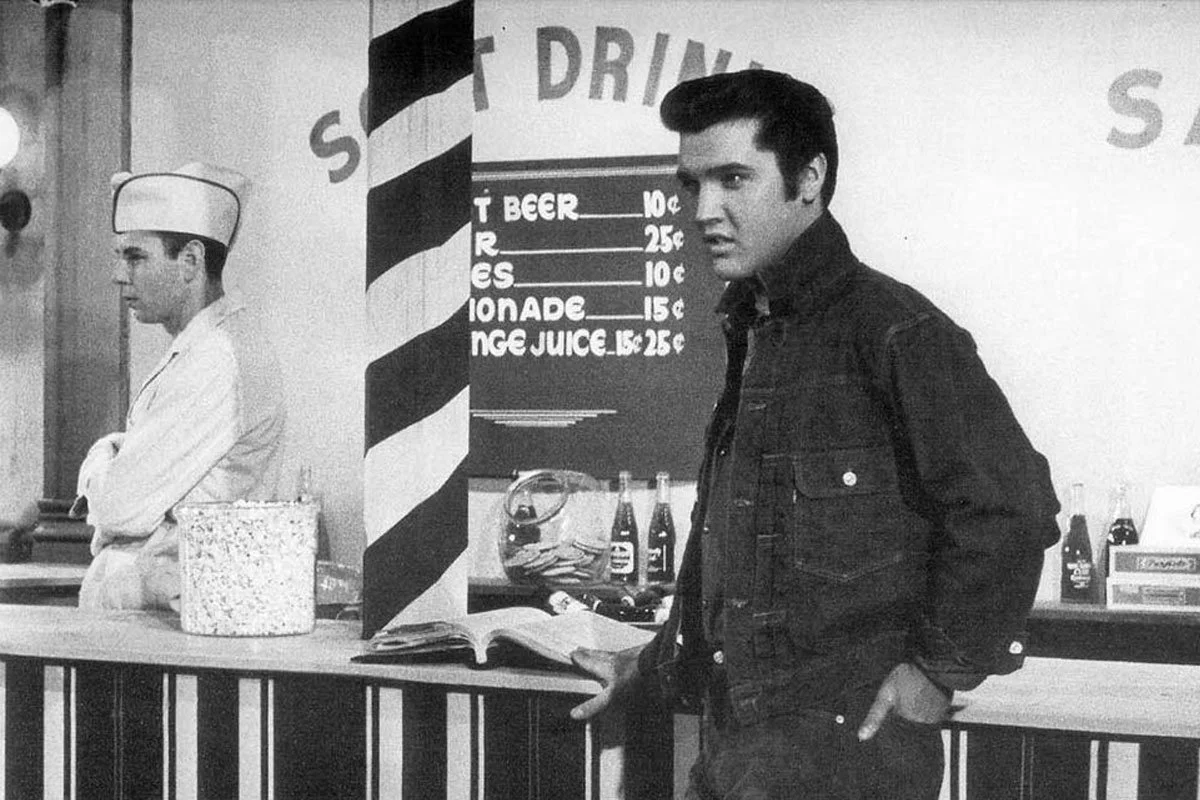
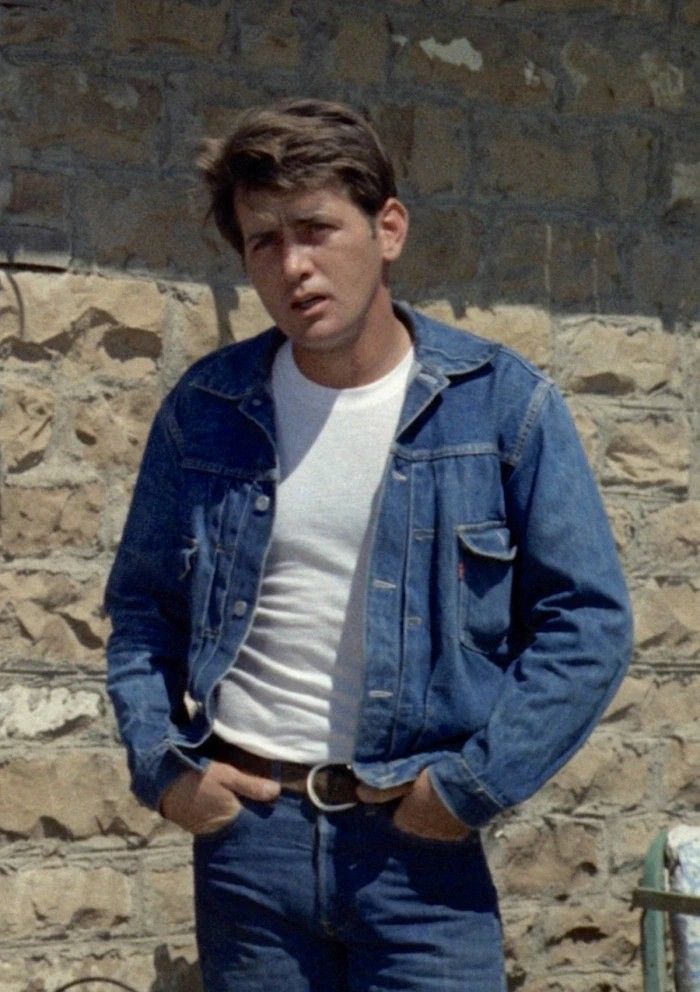
This was the denim jacket that bridged worlds. It became part of the uniform of a new, self-made masculinity. Elvis wore one; Ivy League kids wore them—it looked right both in a truck and on campus.
How to Wear a Type II Denim Jacket
Think of the Type II as the denim jacket’s “smart casual.” Its shorter, squarer frame loves tailored trousers, fatigues or wide jeans with a tidy break.
Because it’s cropped, keep the layers clean: an oxford shirt or some lightweight knitwear. Its blunt shape pairs well with vintage work pants or military chinos—anything with structure.
The Type II has been wildly popular again in recent years. Its cropped, boxy silhouette pairs perfectly with the wide, high-waisted trousers the kids are wearing these days.
Here are some of the best Type II jackets on the market now.
Type III: The Modern Denim Jacket (Since 1962)
Ever heard of the 1962 Revolution in San Francisco? No? They need to update the history books on that, I guess.
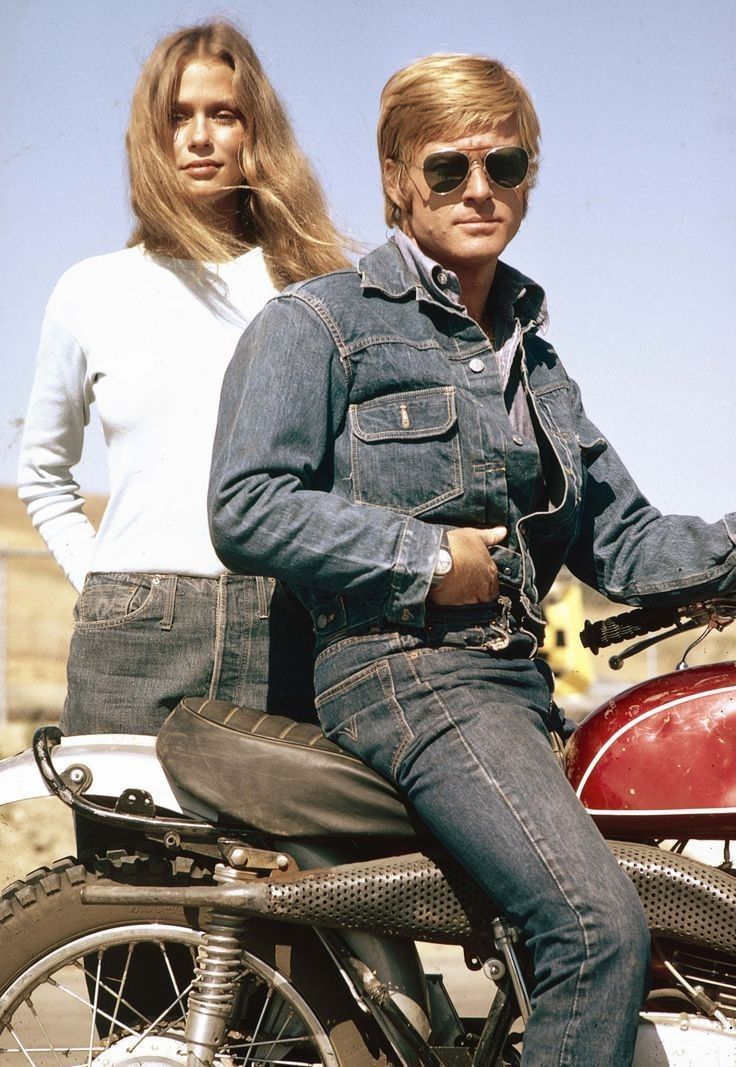
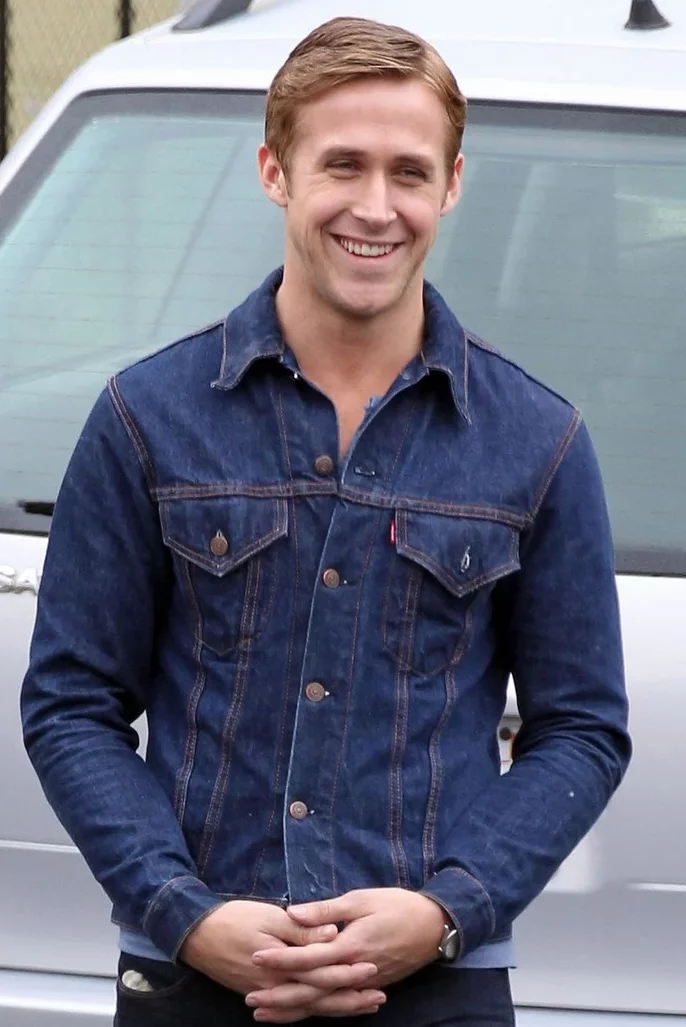
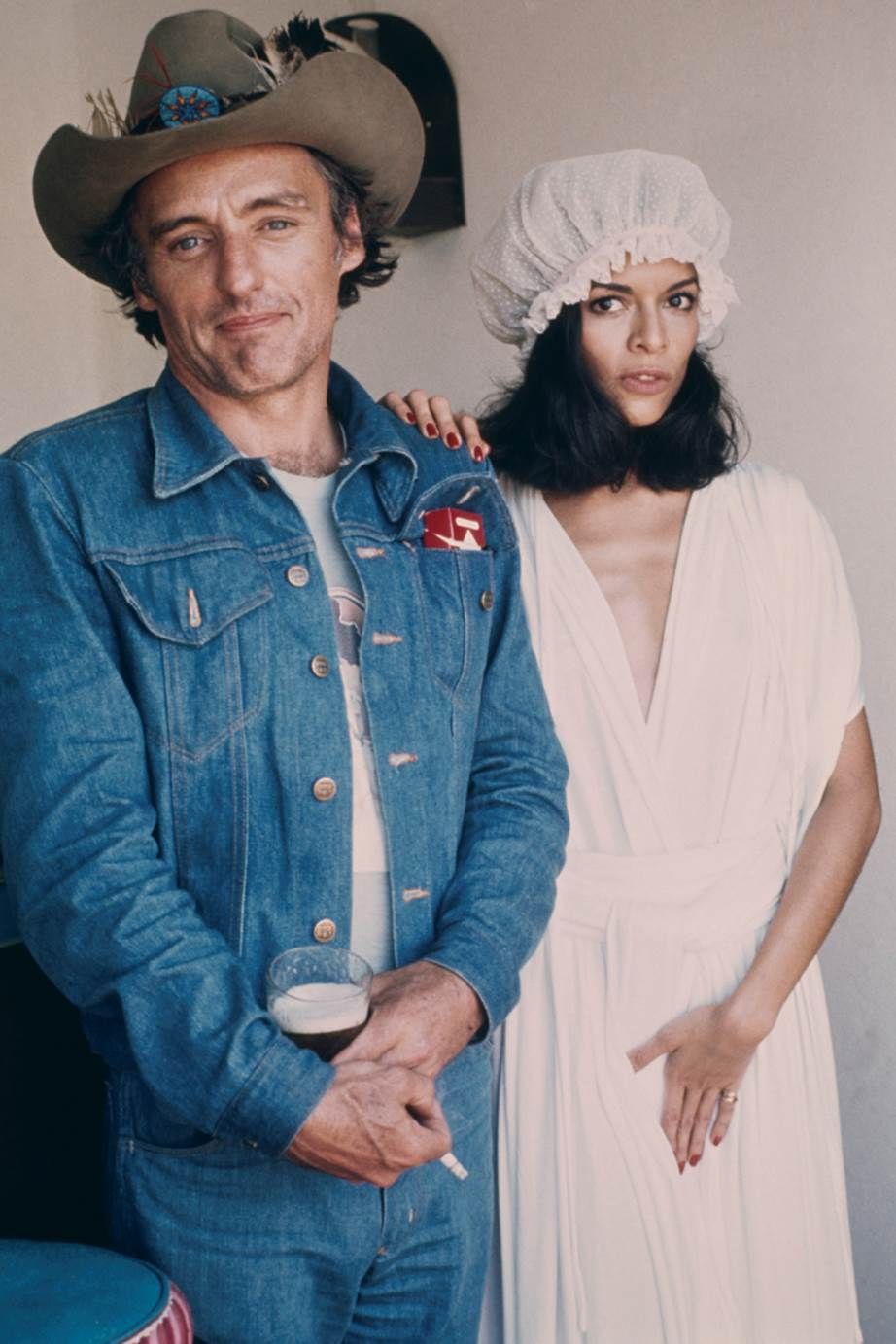
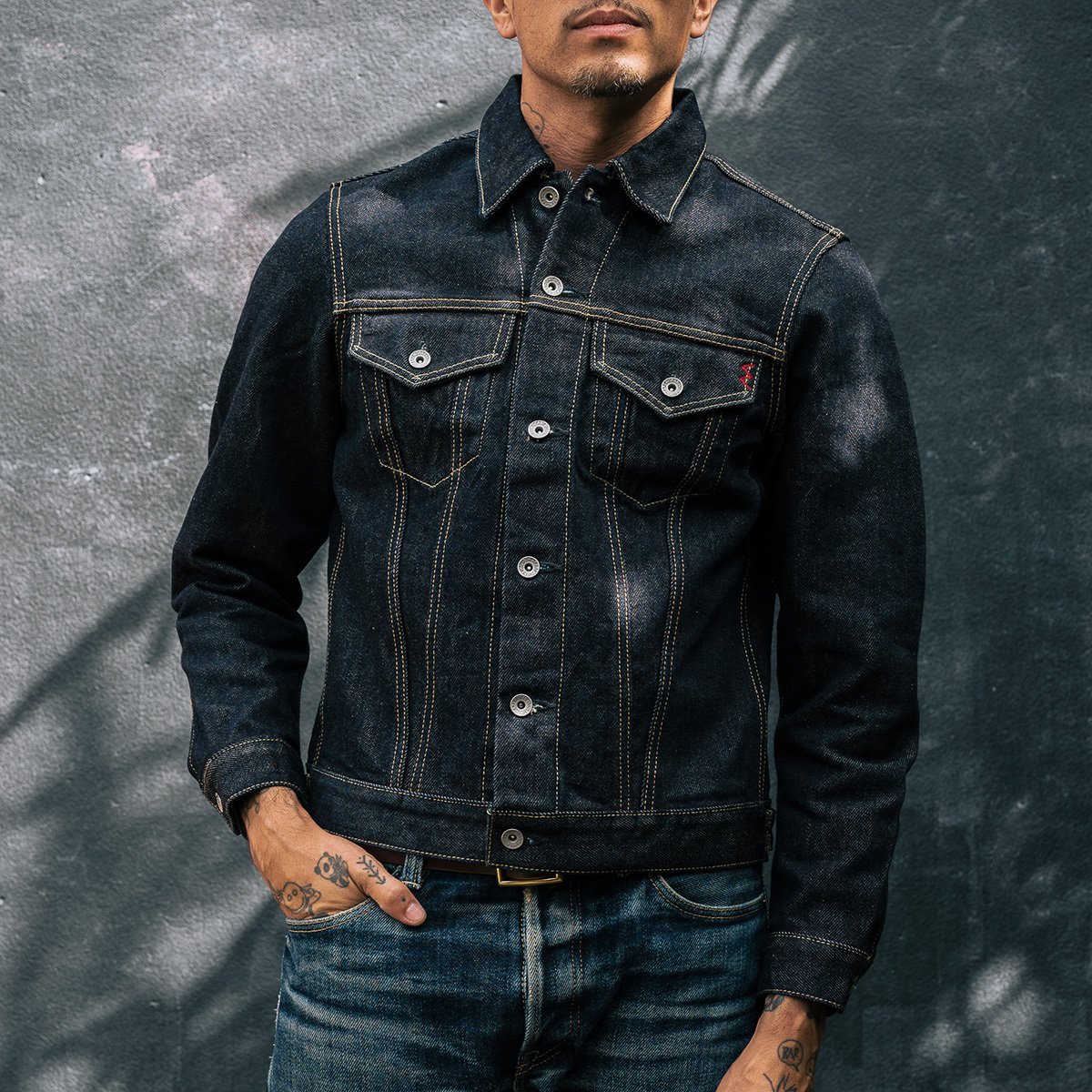
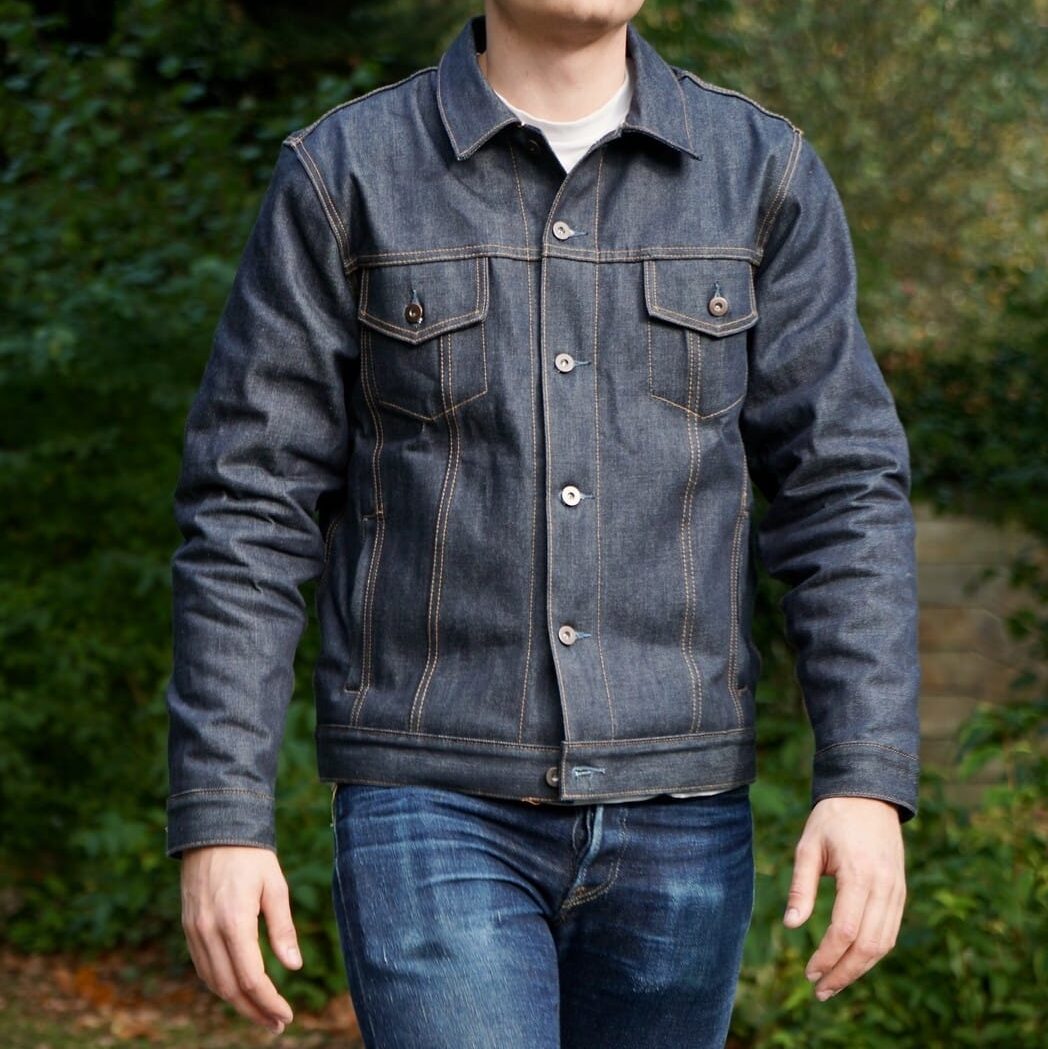
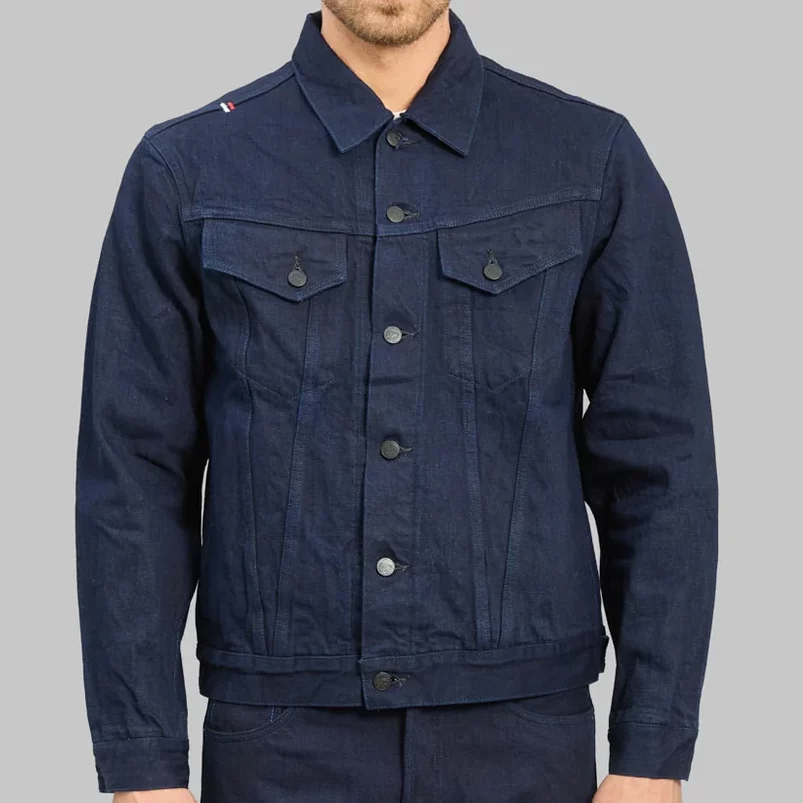
In 1962, Levi’s released the 557XX, later the 70505: the Type III, or simply “the trucker.” Gone were the pleats. The front panels now formed a crisp V down to the waistband; the pockets were pointed, the cut slimmer and longer.
This is the jacket that defined modern denim. It became the template for every brand that followed—worn by everyone from counter-culture kids to cowboys, presidents to pop stars.
How to Wear a Type III Denim Jacket
The Type III is the most versatile shape ever made. It works over a hoodie, under a parka, or on its own with a T-shirt.
Because it’s longer, you can wear it with both mid- and low-rise jeans. If you like a vintage feel, size down for that trim ’60s cut; if you want a more relaxed look, try a slightly oversized fit and roll the cuffs.
There are tons of great Type III jackets. Here are some of my favourites:

How to Date a Vintage Levi’s Jacket
Vintage denim jackets are hotter than ever—especially Levi’s. Figuring out when one was made can tell you a lot about its story and value.
If you’ve inherited one or you’re on the hunt, the details below will help you identify its era.
Type I (Levi’s 506XX: 1905–1953)
- Leather label; selvedge inside front placket.
- One pocket, cinch-back, knife pleats.
- Red Tab from 1936 (Big E, single side).
- Donut buttons during WWII.
- Bronze slider buckle = late ’40s; silver pin teeth = pre-’41.

Type II (Levi’s 507XX: 1953–1962)
- Two pockets, no cinch, boxy fit.
- Leather → card patch transition mid-’50s.
- Lemon-yellow thread; bar-tacks replace rivets.
- One- or two-digit button stamps = early issue.
Type III (Levi’s 557XX and 70505: Since 1962)
- V-seams, pointed flaps.
- Big E = pre-1971; small e = 1971 → .
- Side pockets = post-1984.
- Lemon bar-tacks = early; orange later.
- Label shrinks through ’60s–’70s
- Care label appears in 1971 and it’s evolved over the decades—useful for fine-tuning dates

This is a quick reference guide adapted from a Heddels article, which remains one of the most detailed resources online.
Chore Coats: The Workshop Originals
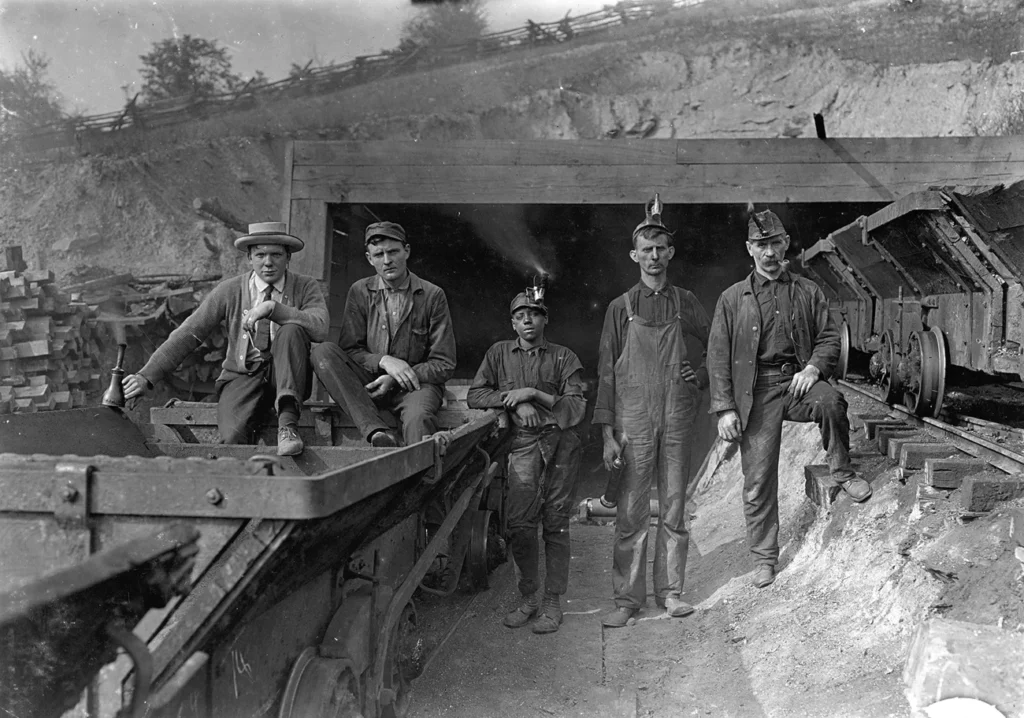
Before the Type I, railroad workers and engineers were already wearing denim chore coats and loco jackets—longer and looser with big patch pockets. These were made by brands like Carhartt, OshKosh, and Lee, whose J91 chore coat set the pattern for decades of workwear to come.
The chore coats were all about practicality: four pockets minimum, often with pen slots or hammer loops, designed to carry your life around the workshop. The French had their own version—the bleu de travail—usually made in moleskin.
How to Wear a Denim Chore Coat
The chore coat takes a bit more intention than other denim jackets. Because of its length, it dominates the outfit—you can’t just throw it on and forget about what’s underneath. But that’s also its strength.
It’s the only denim jacket that works naturally over a heavyweight flannel, especially one you’d never tuck in. Whether you wear it with jeans or work trousers, keep some contrast between top and bottom, and let the jacket do the heavy lifting.
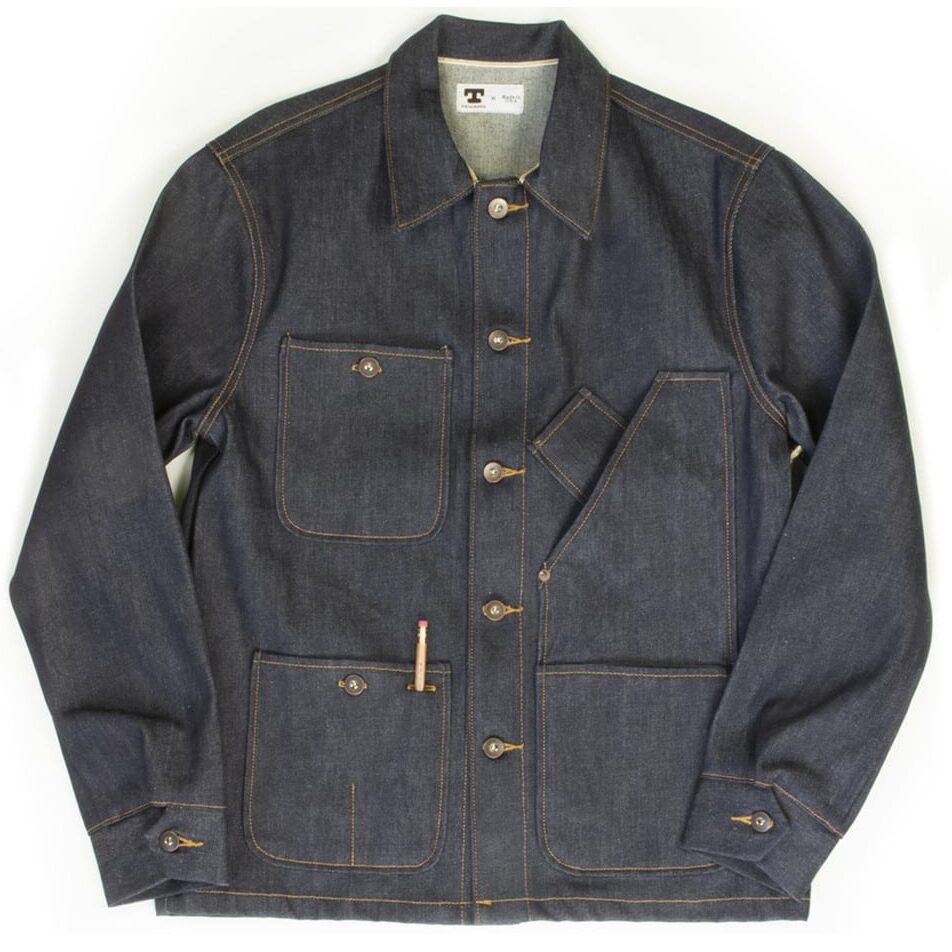
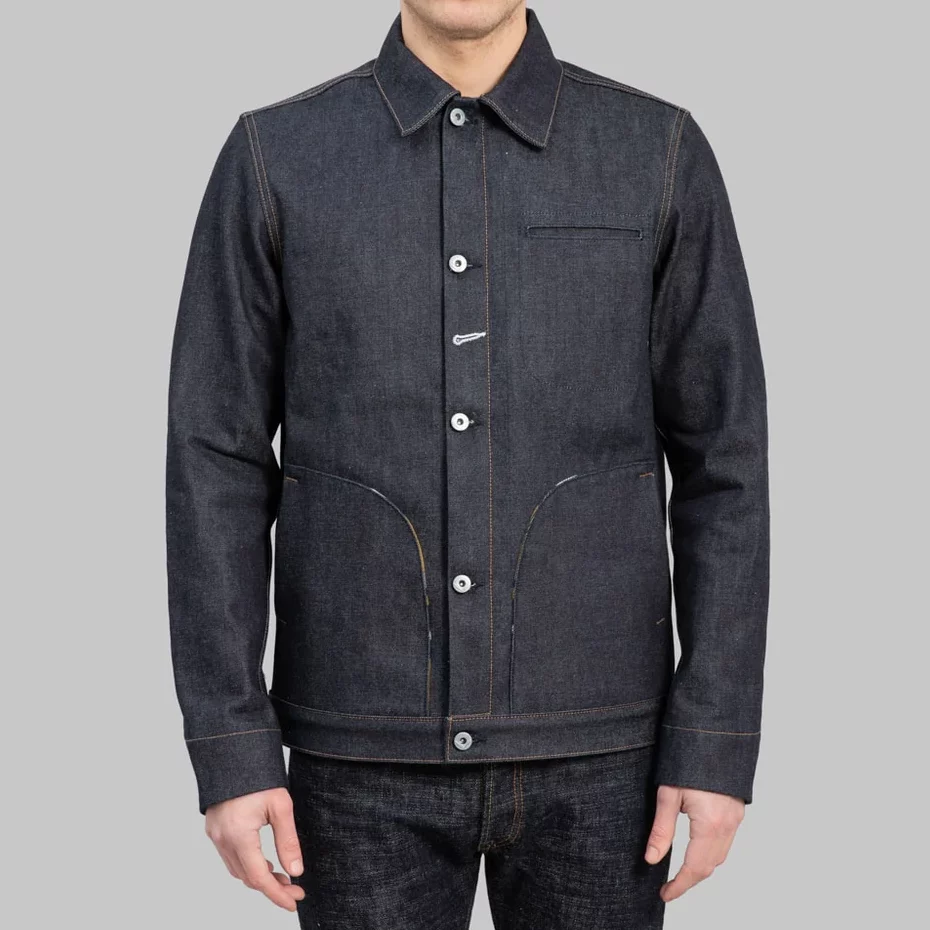
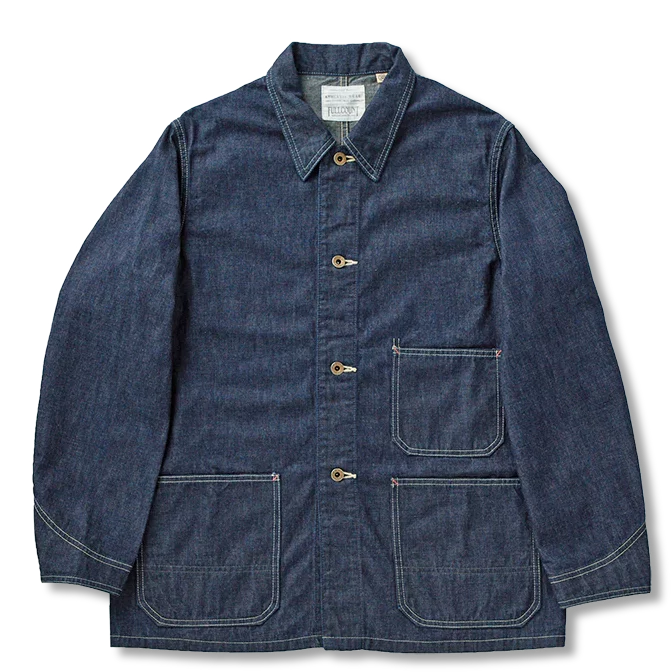
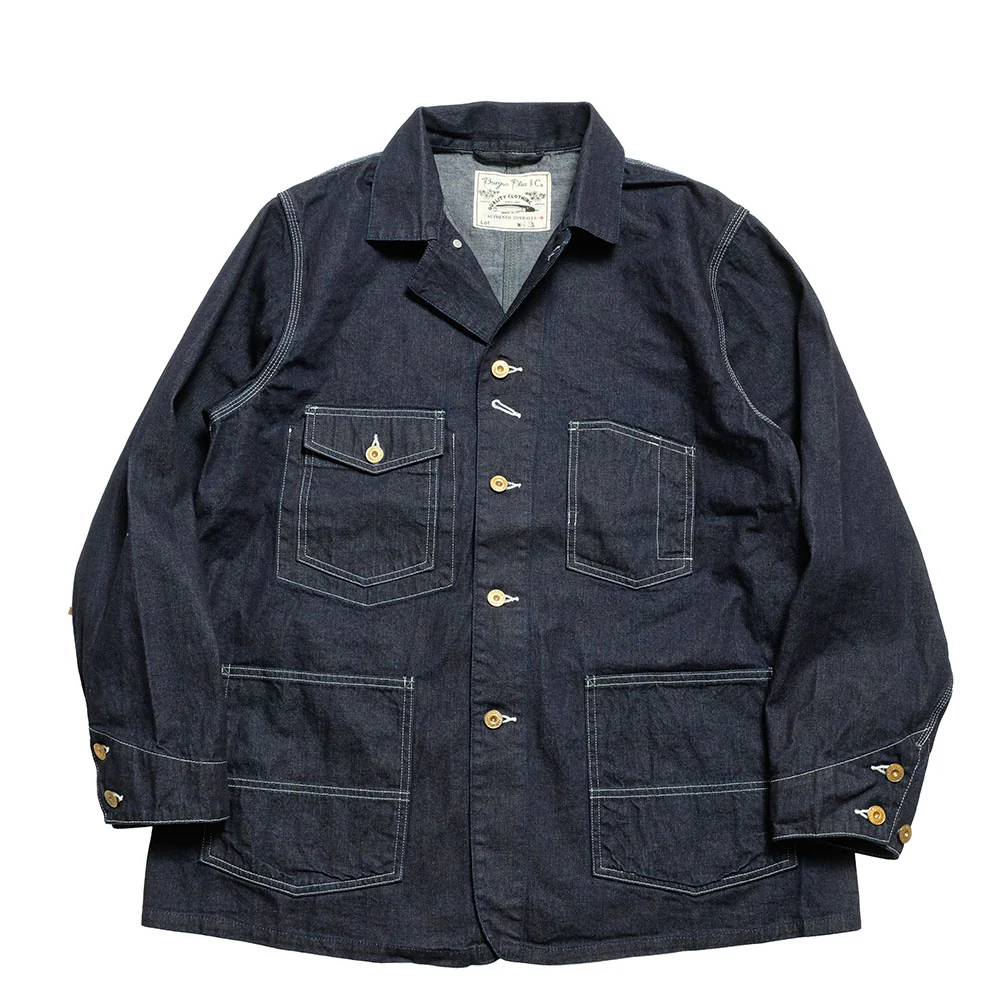
Check out our chore coat buying guide for more great options.
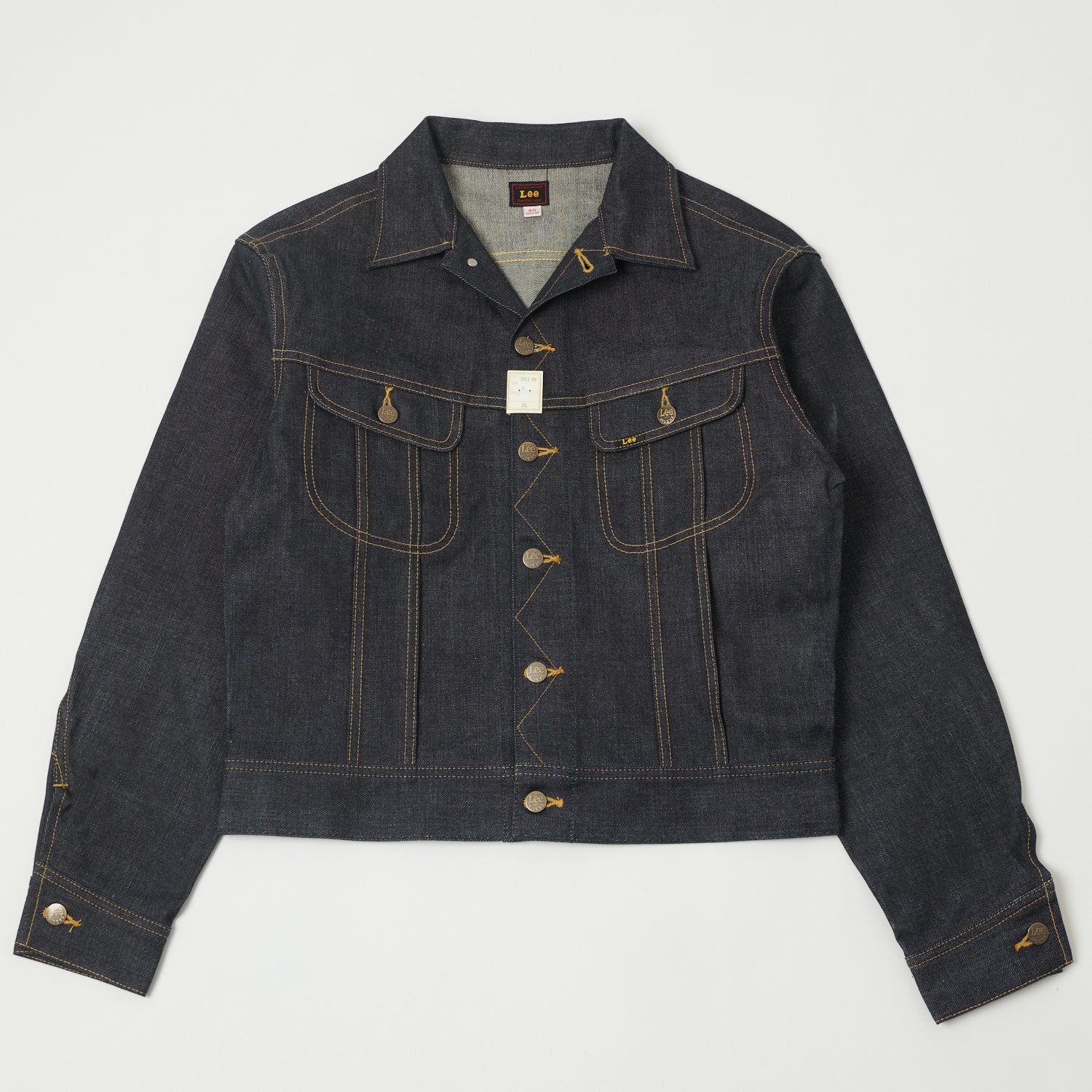
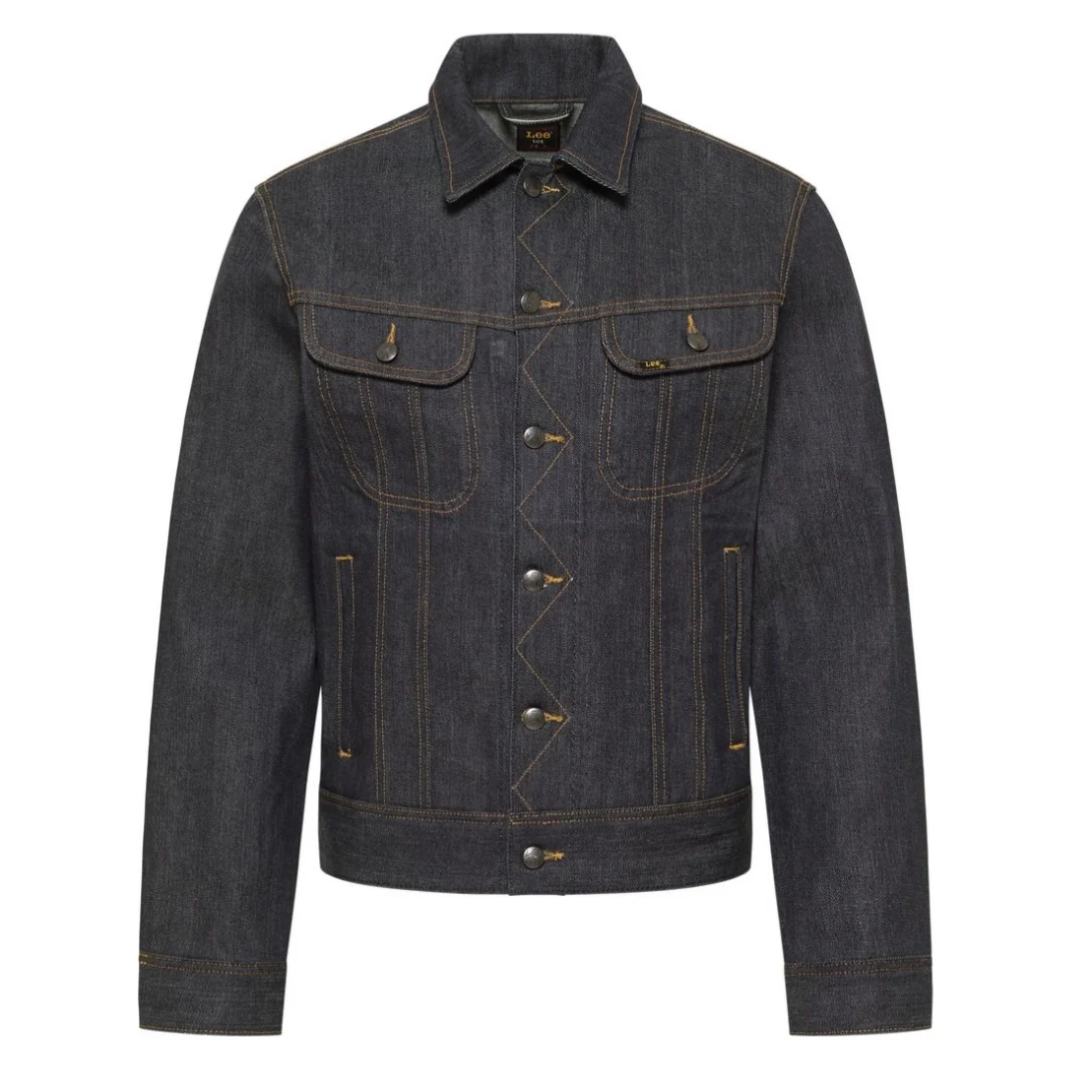
The Cowboy Connection: Lee and Wrangler’s Jackets
Levi’s might have written the original formula, but Lee and Wrangler added some secret sauce for their cowboy customers. And right now, those same Western cuts are having a full-blown revival, proof that you don’t need a lasso to wear one.
Lee’s 101J Rider arrived in 1948—a slimmer, curved-seam jacket built for movement in the saddle. Its successor, the Storm Rider from 1953, was built for colder rides and went on to become a Hollywood favourite.
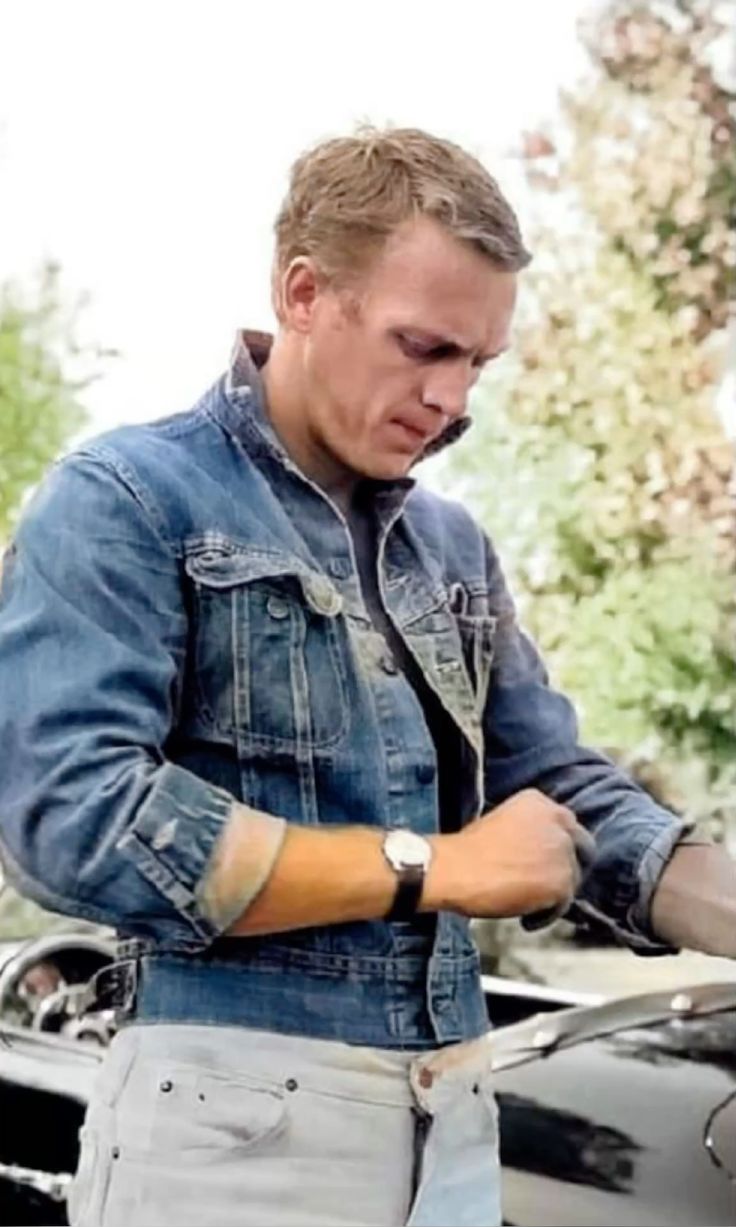
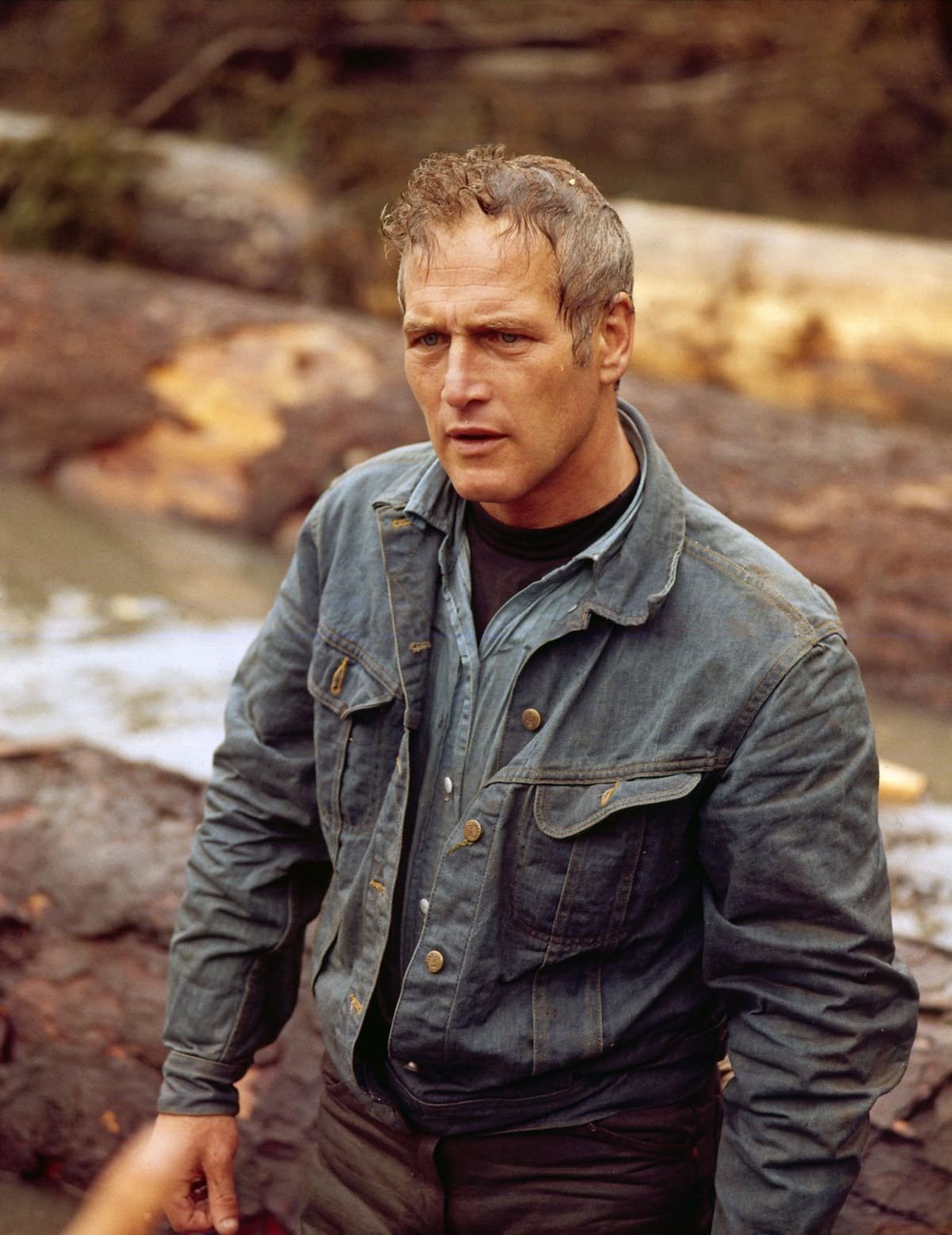
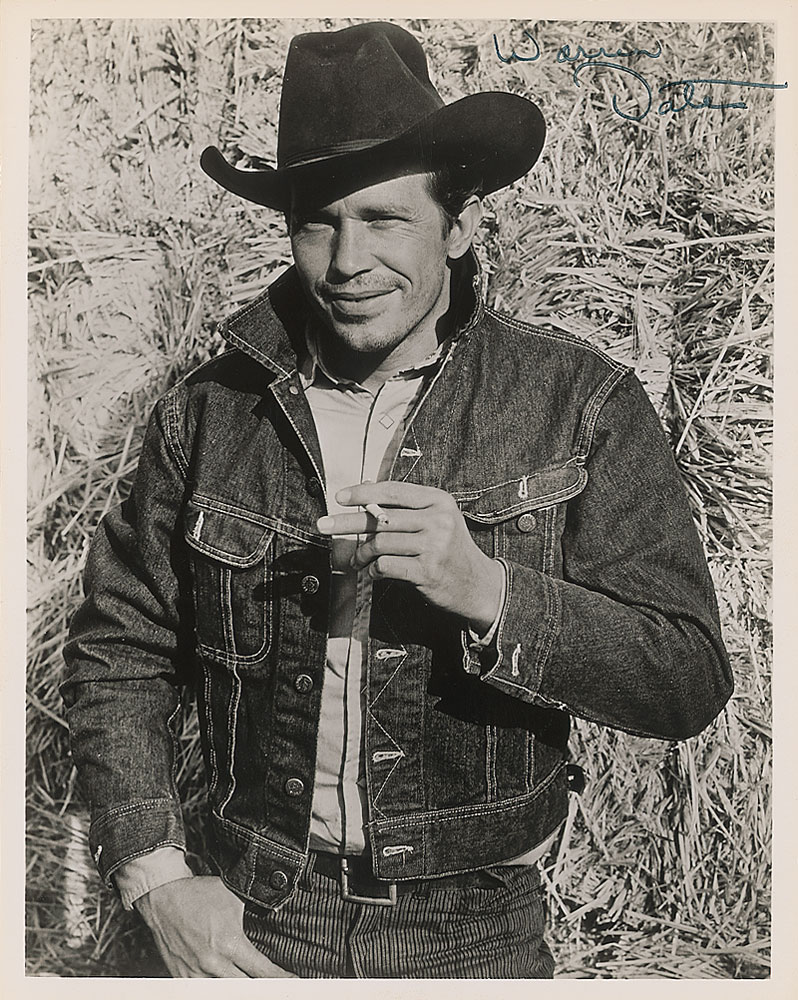
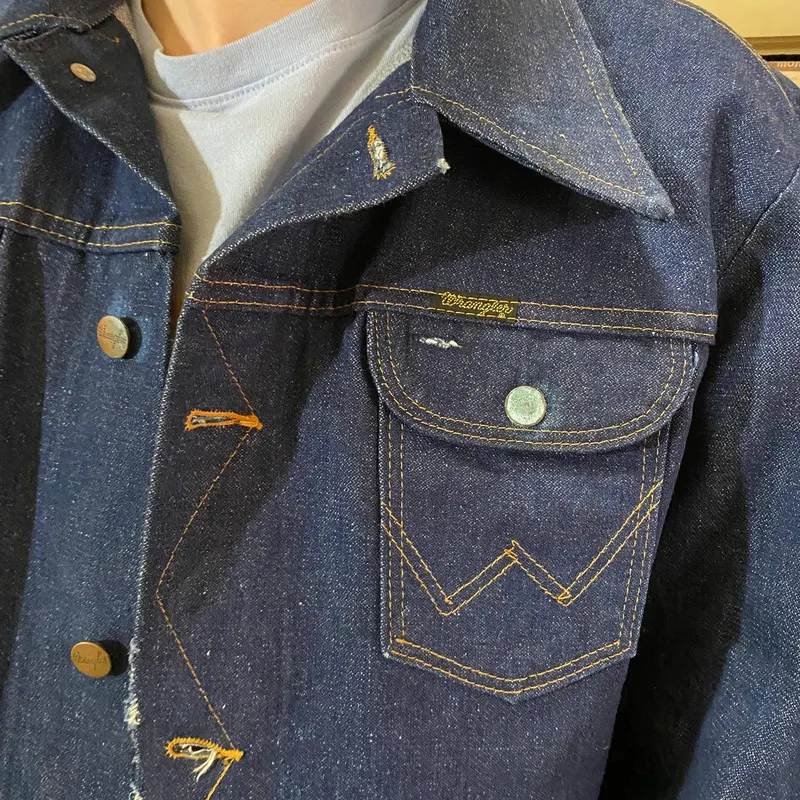
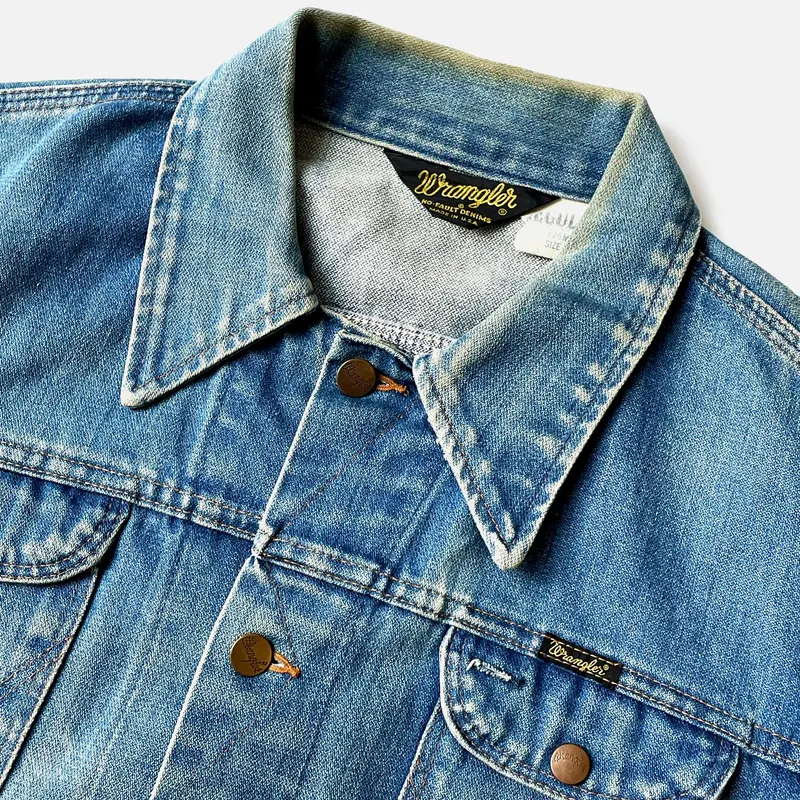
Wrangler’s first denim jacket, the 11MJ, launched in 1948—the same year as Lee’s 101J Rider.
Later versions like the 124MJ, introduced in the mid-’60s, refined the pattern with rounded pocket flaps and the now-famous W-stitch.
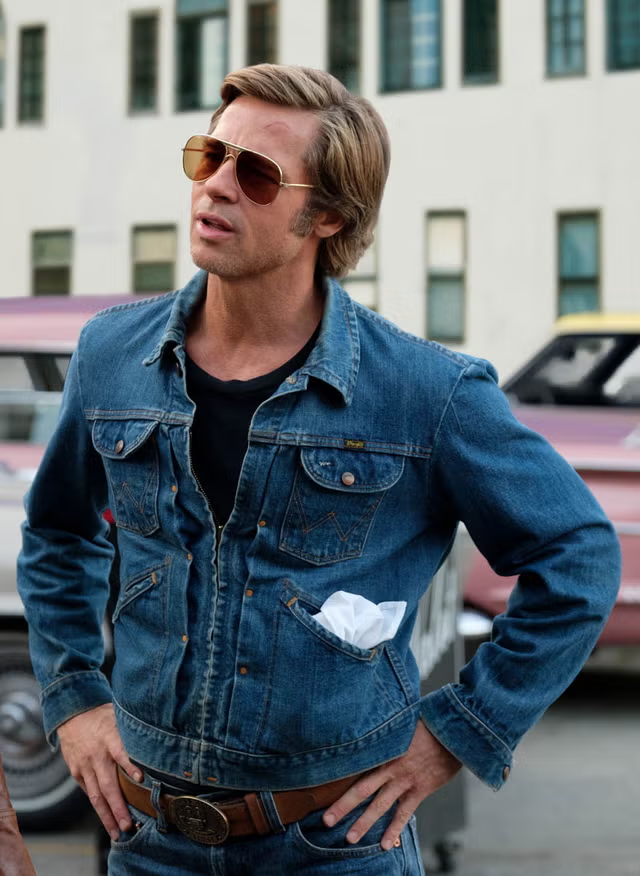
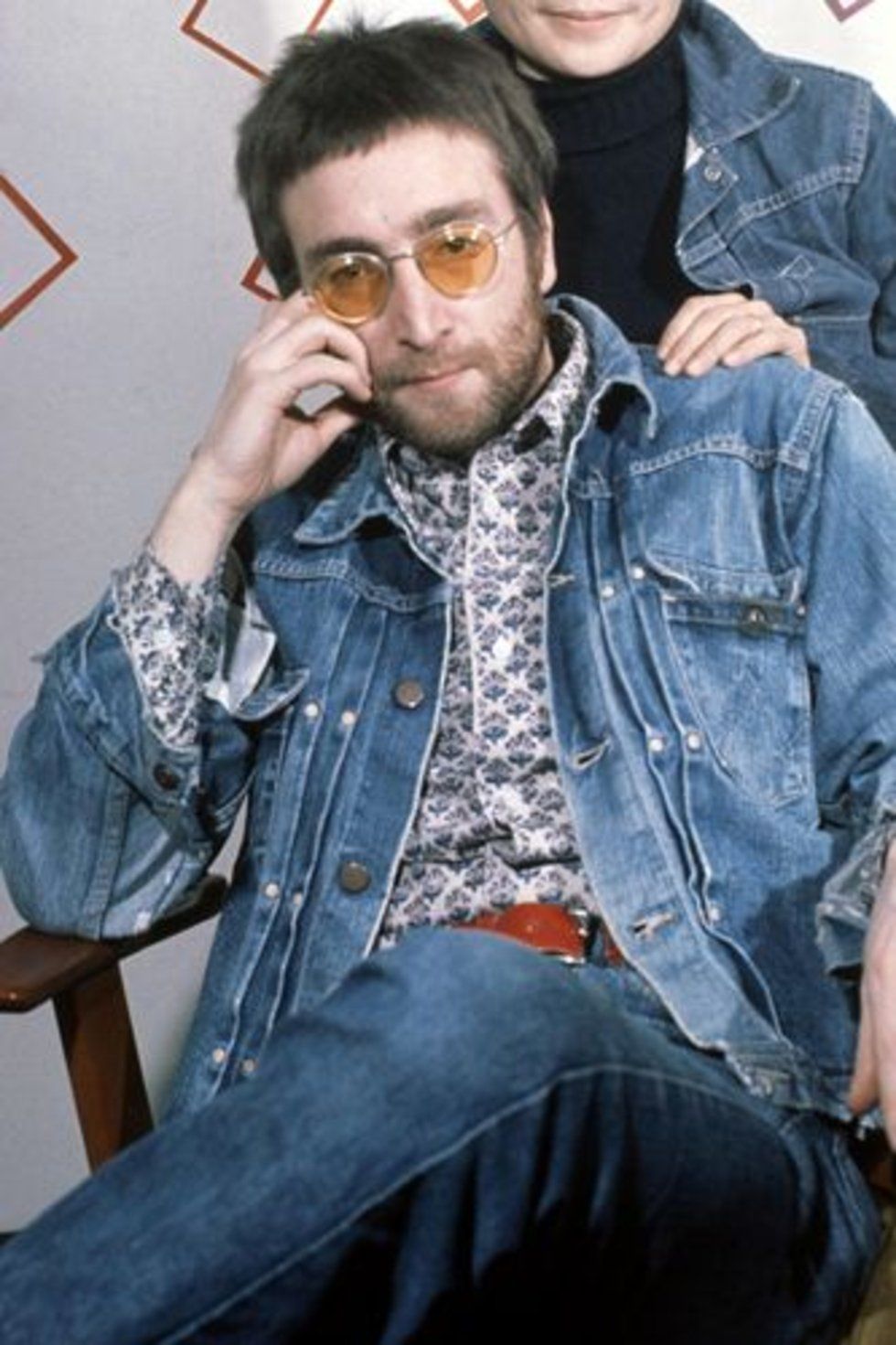

From rodeos to movie sets, these styles defined the denim jacket’s cool long before the trucker ever did.
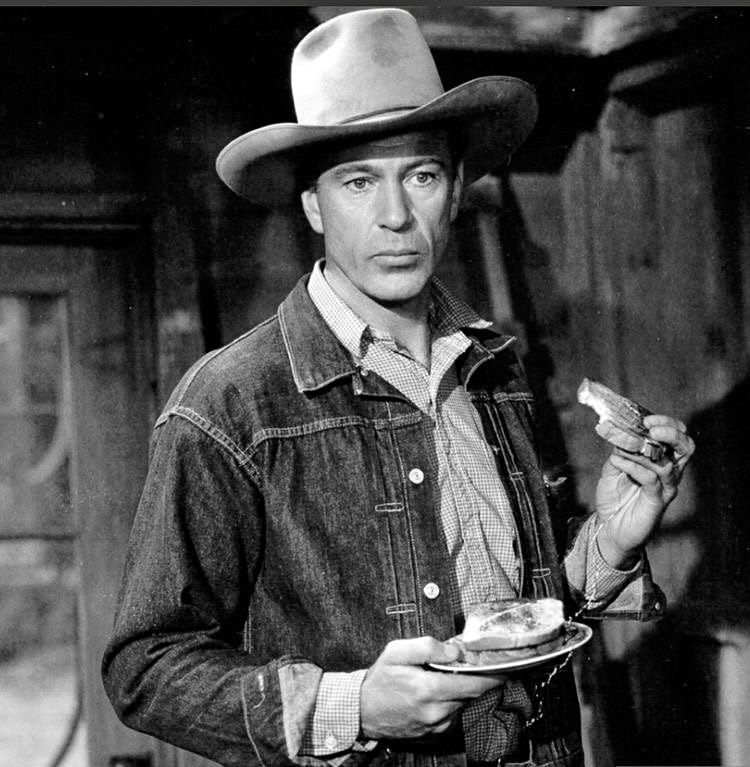
Clark Gable and Paul Newman both wore Lee Storm Riders; James Dean made the Rider jacket an icon of youthful defiance.

How to Wear a Western Denim Jacket
Western cuts often have a bit more length and contour, and they pair best with straight-leg jeans or slim chinos.
The pointed chest seams give a strong shoulder line—lean into that with Western shirts or a simple white tee. The lined versions carry you into winter; the unlined versions are perfect for transitional weather.
For Lee, and especially for Wrangler, the originals are still the gold standard. Your best buys are vintage pieces—you’ll find them on eBay, Etsy, and similar marketplaces.
One Pattern, Infinite Variations
The denim jacket began as a tool—something that helped you get through and survive a hard day’s work. A century later, it survives every trend thrown at it.
That’s what makes the denim jacket timeless. It’s history you can wear; an everyday armour that carries a century of craft on its seams.
And whether you’re chasing fades, fit, or just the feeling of putting on something that works anywhere, there’s a version of it waiting for you.
Join 12,000+ Denimheads Who Get My Emails
You’ve finished this article—hope you learned something new. How about more like it, delivered to your inbox every Friday?
Hey, it’s Thomas here, founder of Denimhunters. I send weekly emails with buying tips, denim knowledge, and practical style advice for guys who care about what they wear.
The post Denim Jackets Explained: How to Find the Right One appeared first on Denimhunters.
DENIM and PATCHES sourced this post originally published on this site