Affiliate disclaimer: We work with most brands and retailers featured and earn commission on purchases.
Why Tubular Isn’t Proof, 3 Tees That Are Loopwheeled, and a Big Week for Weirloom
I had a meeting this week with an online retailer I’m sure you know, who told me he’s ready to stock Weirloom when I have more products ready. How’s that for motivation?!
That wasn’t the only conversation this week that made the brand feel a lot further along than it did just a few months ago. I know, annoyingly vague. I’ll get more specific in a second.
And while I was with my photographer shooting a pair of jeans I’m excited to launch soon, he showed me a T-shirt he’d bought that was advertised as loopwheeled. I immediately questioned if it really was. Down the rabbit hole I went, again.
In This Issue of the DH Weekly
- Why tubular doesn’t mean loopwheel
- 3 T-shirts that are guaranteed loopwheeled
- 5 Things Worth Your Attention, from Zimbabwe cotton to persimmon-dyed denim
- Building My Brand: Gearing up for wholesale
- From the Archive: Weirloom’s first trade show
Tubular Doesn’t Mean Loopwheel
With selvedge, you’ve got a visible edge. Loopwheel doesn’t give you that kind of proof. A T-shirt can be tubular knit, with no side seams, and still be made on a modern machine.
Genuine loopwheel is about the machine and the low-tension knitting process. The company LOOPWHEELER says its nearly century-old machines run at around 24 rpm and produce roughly one metre of fabric per hour. Per hour!
That’s obviously incredibly slow. More importantly, it isn’t something you can verify just by turning a T-shirt inside out like you can with selvedge denim.
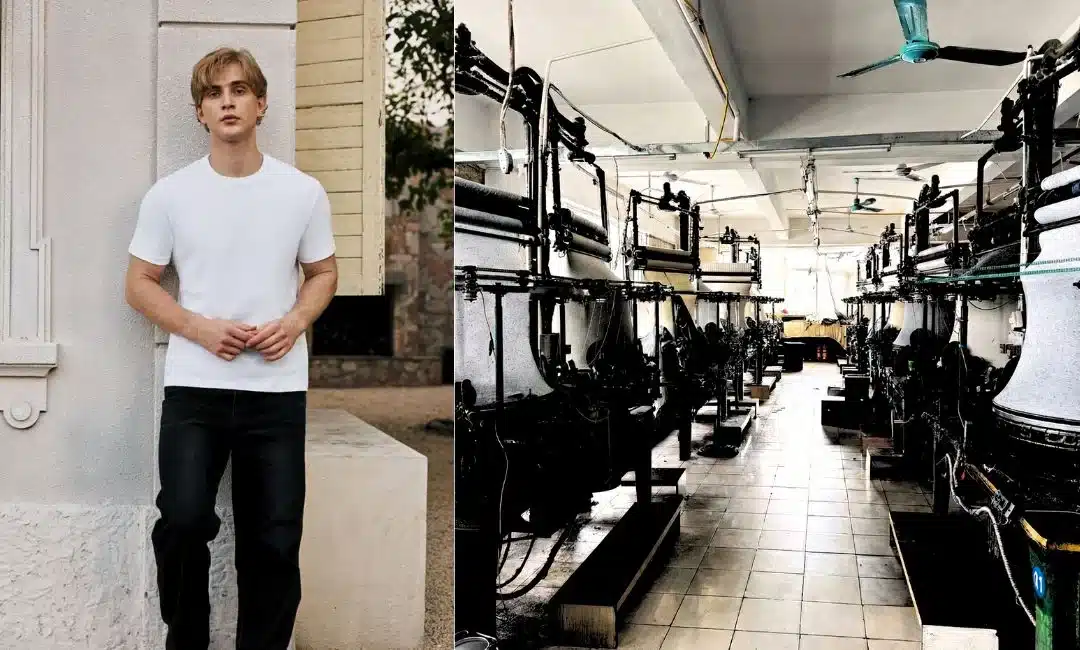
Provenance matters. If a brand is selling something as loopwheeled, I want to know where it was knitted, and what kind of machine was used. That should be the easy part of the story to tell.
Whitesville is a good example of why that distinction matters. The popular two-pack is tubular and made in Japan, it isn’t loopwheeled. It’s still a very good T-shirt—it’s just not the same thing. Brooklyn Clothing just restocked it in all four colours.
3 Loopwheel T-Shirts I’d Buy With Confidence
If you want the real thing without playing detective, here are three tees that I know for sure are loopwheeled:
Flat Head Heavyweight Tee
- Dense heavyweight long-staple cotton jersey, loopwheeled in Japan
- Triple-stitched no-sag collar and seamless tubular construction
- I’ve worn one for years and rate the durability highly
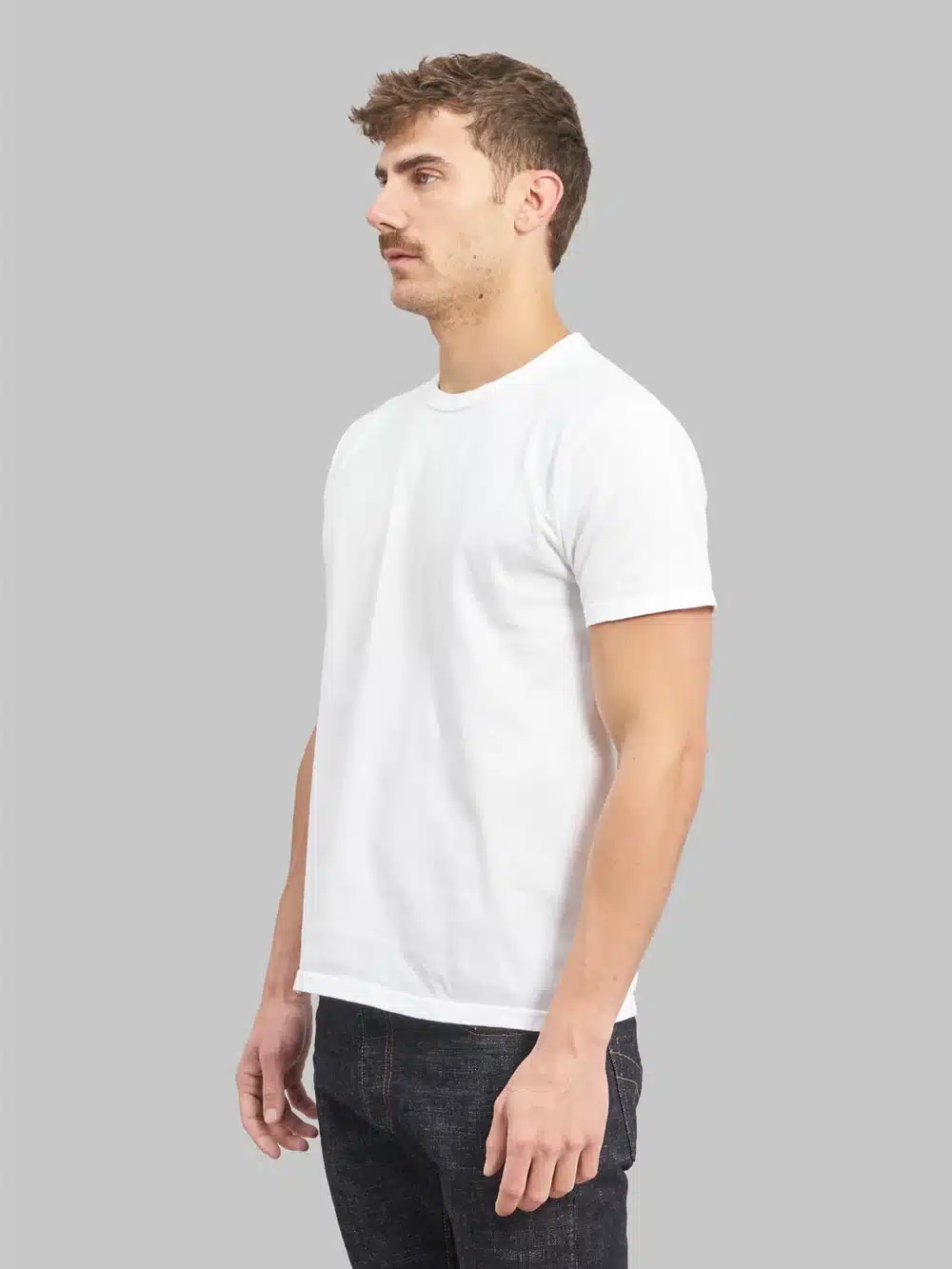
Iron Heart IHT-1610L
- 6.5 oz. Japanese loopwheel cotton with a smoother, more even finish
- Longer body, slightly boxy fit and high-cut armholes
- I own a couple; the extra body length is a big reason they work for me
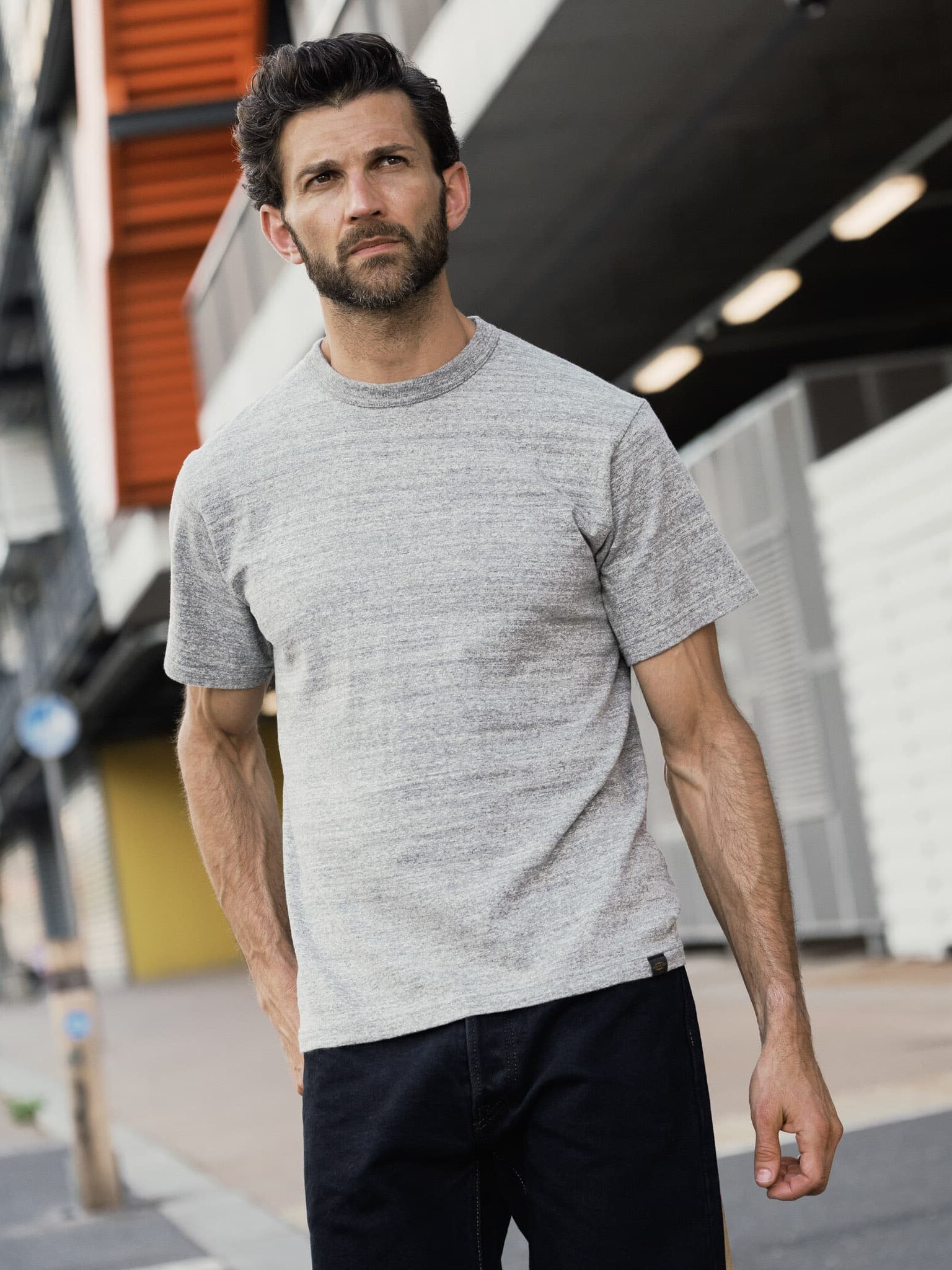
UES No. 8 Slub
- 9.5 oz. one-washed loopwheel jersey with pronounced slub and nep
- Heavy and substantial, with the texture doing most of the talking
- Slim, slightly shorter fit; size up two from usual Western sizing
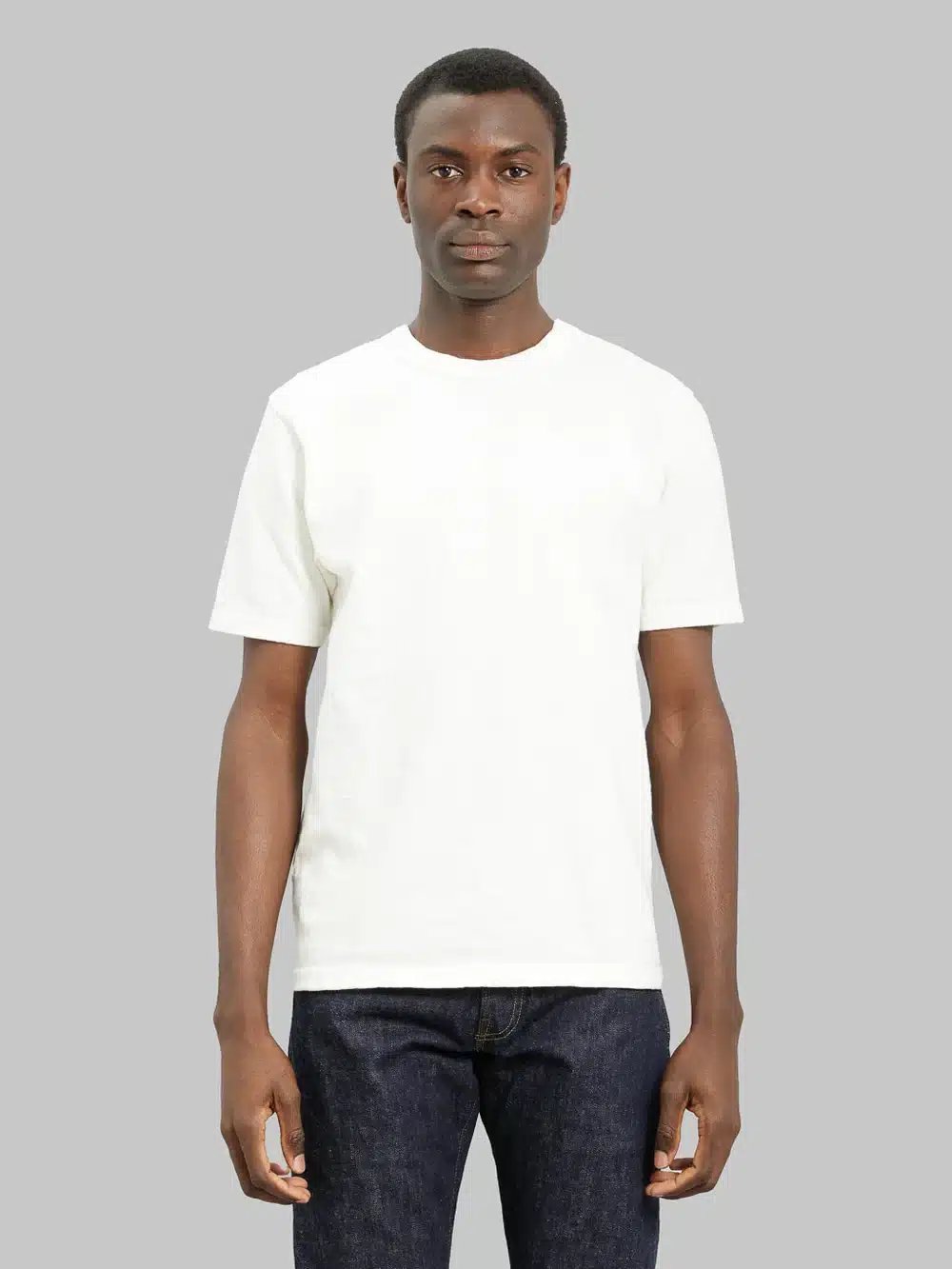
Things Worth Your Attention
Out of everything I looked at this week, these are the five stories that made the cut:
- Zimbabwe cotton in five directions – Gustin’s Zimbabwe Denim is back in no less than five colours. It’s 13.5 oz. paired with a dense hand with cross-hatch texture.
- Sumi instead of white – Pure Blue Japan’s 16 oz. Double Nep pairs an indigo warp with a sumi-dyed weft, giving the whole jean a smokier blue-black cast that continues through the patch, stitching and pocket embroidery.
- Repairs are open again – Franklin & Poe is taking limited denim-repair jobs again on a first-come basis, and the shop has also just landed a substantial Freenote outerwear drop.
- Sashiko doesn’t have to be indigo – SOSOBROTHERS’s 12 oz. Brown Sashiko puts the texture into a warmer colour and is available across jeans, shirts and jackets.
- Persimmons meet denim – A new Carved in Blue piece looks at kakishibu, the centuries-old Japanese dye made from fermented unripe persimmons, and how brands including Kapital, Naked & Famous, and Studio D’Artisan are using it in denim.
Building My Brand: Getting Ready for Wholesale
In January, I took Weirloom to its first trade show with three jeans, a T-shirt, and a shirt that wasn’t even fully ready.
I’m glad I did it. I signed a retailer, learned a lot, and made the wholesale side of the business real. But it also showed me how much still had to be in place before Weirloom could walk into a bigger room properly prepared.
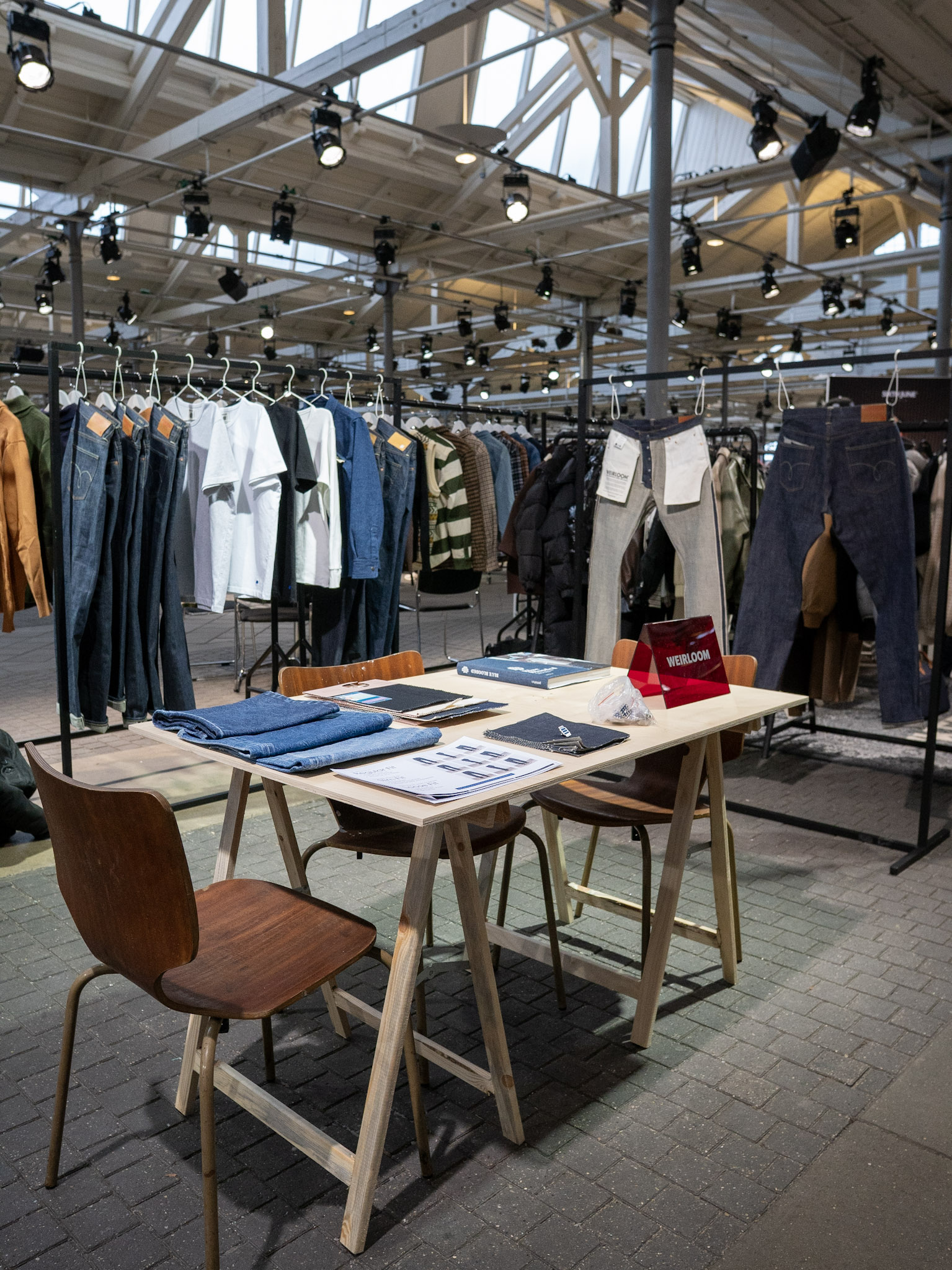
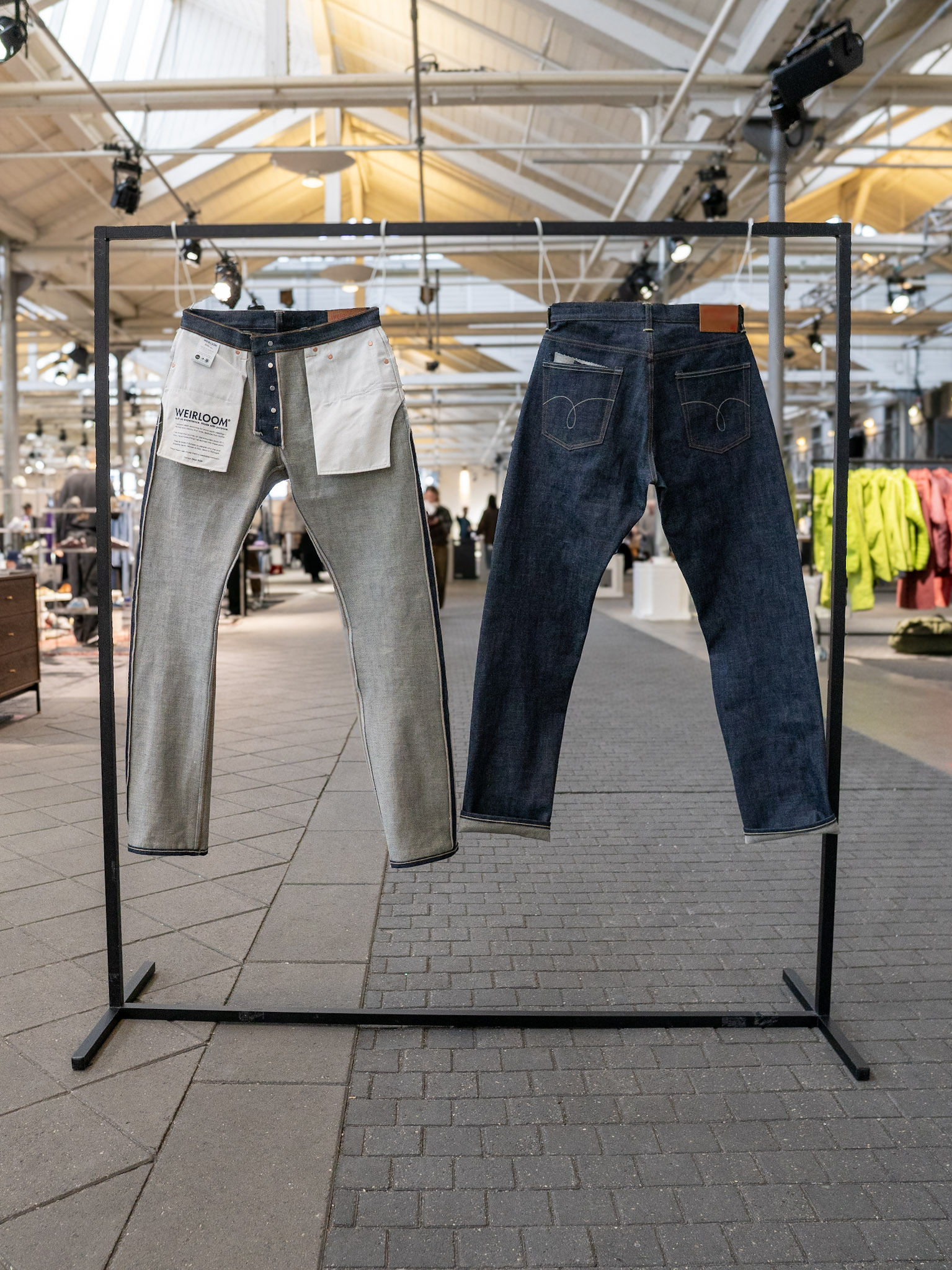
That’s what this week has been about. Martin and I spent a full day working through the wholesale pitch and the collection we’re building towards the AW27 sell-in season.
“Wholesale has to pay the bill for building the brand,” he says, and I couldn’t agree more. Retailer pre-orders give production committed volume, and allow us to add webshop stock on top instead of funding the whole run speculatively.
Then came two signals that made the work feel a lot less theoretical. A very established retailer in the raw denim scene—one I expect most Denimhunters readers will know—told us he’s ready to stock Weirloom when the collection is ready. And the organisers of a Copenhagen trade show invited us to exhibit.
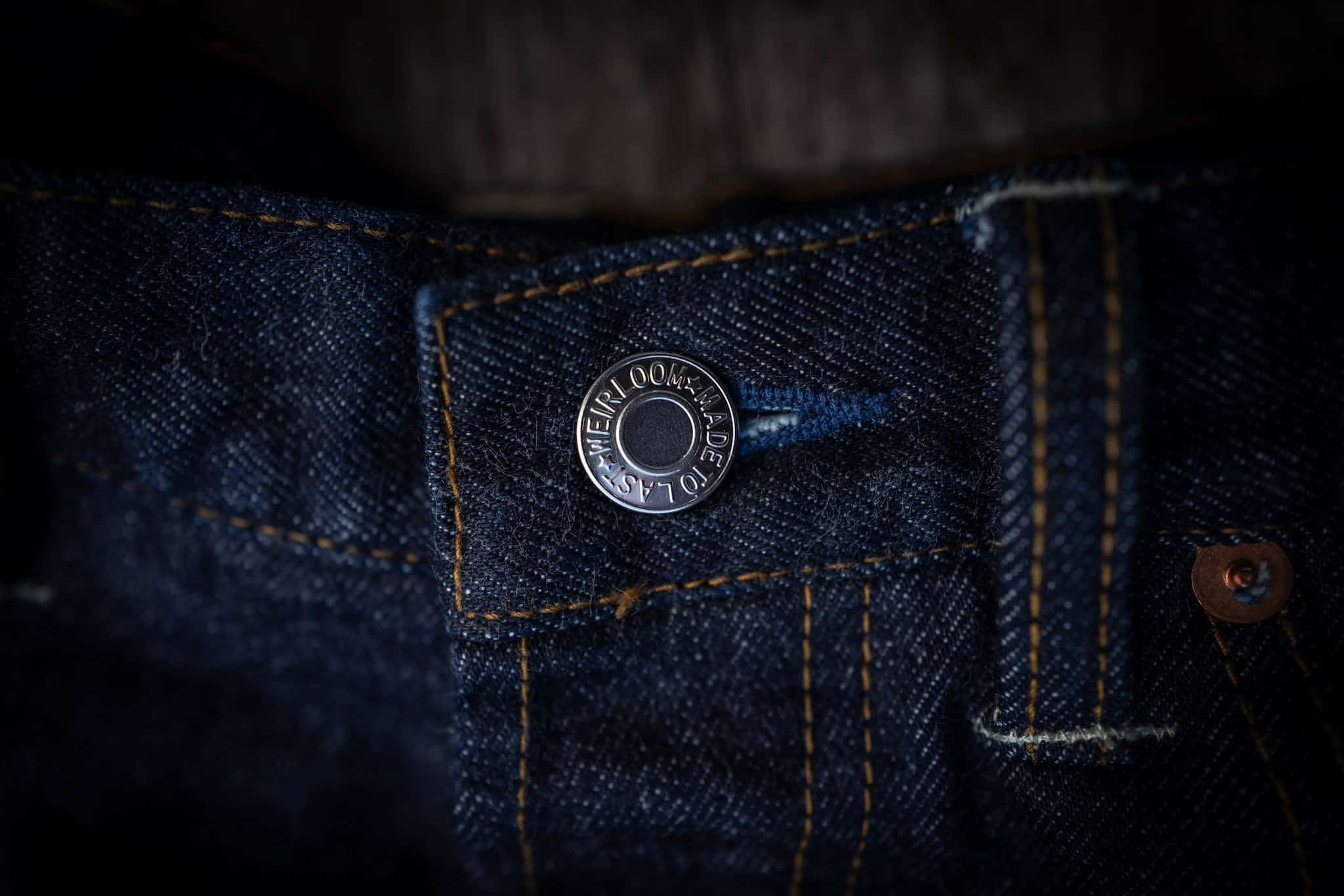
On top of that, I’ve photographed the first prototype of Weirloom jeans made entirely in Japan. It’s already back there for a few adjustments, plus the final labels and hardware, but the first prototype was remarkably close. The denim is soft, textured and natural-looking. That’s as much as I’m going to say until the spec is locked.
From the Archive: The First Weirloom Trade Show
Before I took Weirloom to its first trade show, I wrote about why the brand couldn’t stay “behind a screen”. Retailers create trust, give people somewhere to handle the product, and were always meant to be part of how I’d grow it.
I was still building the pitch deck then, and doing everything myself. Reading that now makes this week’s progress hit very differently.
The post How Do You Know If a T-Shirt Is Really Loopwheeled? appeared first on Denimhunters.
DENIM and PATCHES sourced this post originally published on this site