We hand-pick all products. When you buy something, we may earn a commission.
Buying Guide to Omoto Denim’s Jeans: Fits, Fabrics, and Good-to-Knows
Some brands ease their way into the market. Not Omoto. Launched in the spring of 2025, the Japanese brand instantly landed retailers like Redcast Heritage, Franklin & Poe, and Cultizm.
That kind of rollout doesn’t happen by accident. It reflects experience, deep industry connections, and a product that the scene is confidently committing to from day one.
If Omoto has caught your attention, and you’re considering getting a pair but want to understand what you’re really buying into, this guide gives you the context to make that call without any guesswork.
TL;DR – The New Brand Everyone’s Talking About
Omoto is a Japanese denim brand created by two industry insiders with deep experience building globally minded jeans. It launched in 2025 with modern fits, serious fabrics, and a clean, focused lineup—made in Japan, and stocked by top-tier retailers from day one.

The People and Story Behind Omoto
Omoto was founded by Hiroki Kishimoto and Keita Hinamoto, both coming out of the Japan Blue Group. Kishimoto joined in the late 90s, and helped build Japan Blue into one of the most internationally recognised Japanese denim brands. Hinamoto complements that with experience in how product moves beyond Japan.
That experience shows. Omoto launched fully formed, presenting a range that’s settled from the start, with a deep understanding of how jeans are developed and sold to a global audience.
The brand’s own language revolves around “ordinary” denim—an intentionally modest term that, in a Japanese context, signals refinement. Omoto makes everyday jeans exceptionally well: fabrics developed through long-standing mill partnerships, patterns refined through feedback, and a range kept deliberately narrow. It doesn’t try to reinvent Japanese denim—just to distil it.
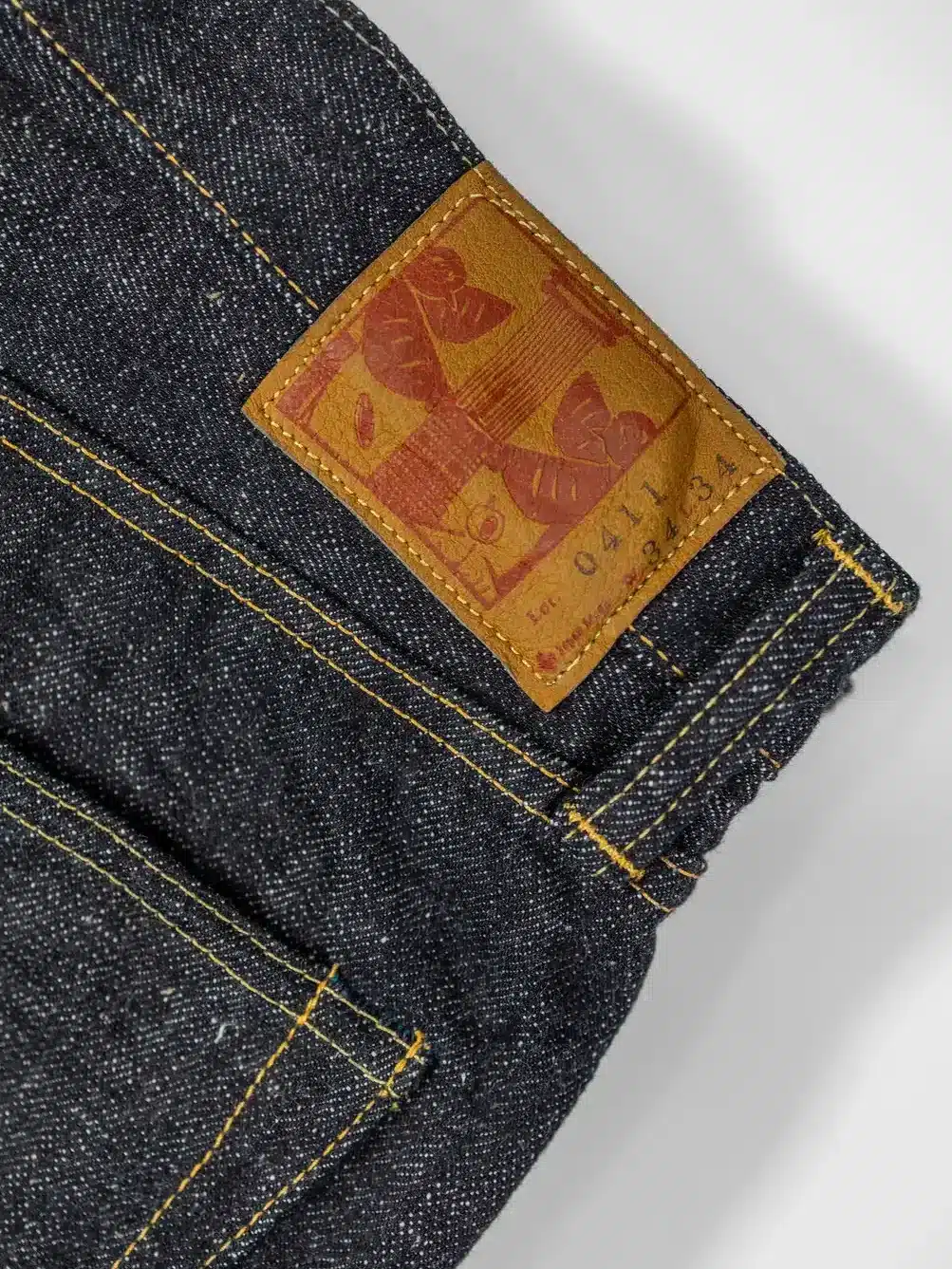
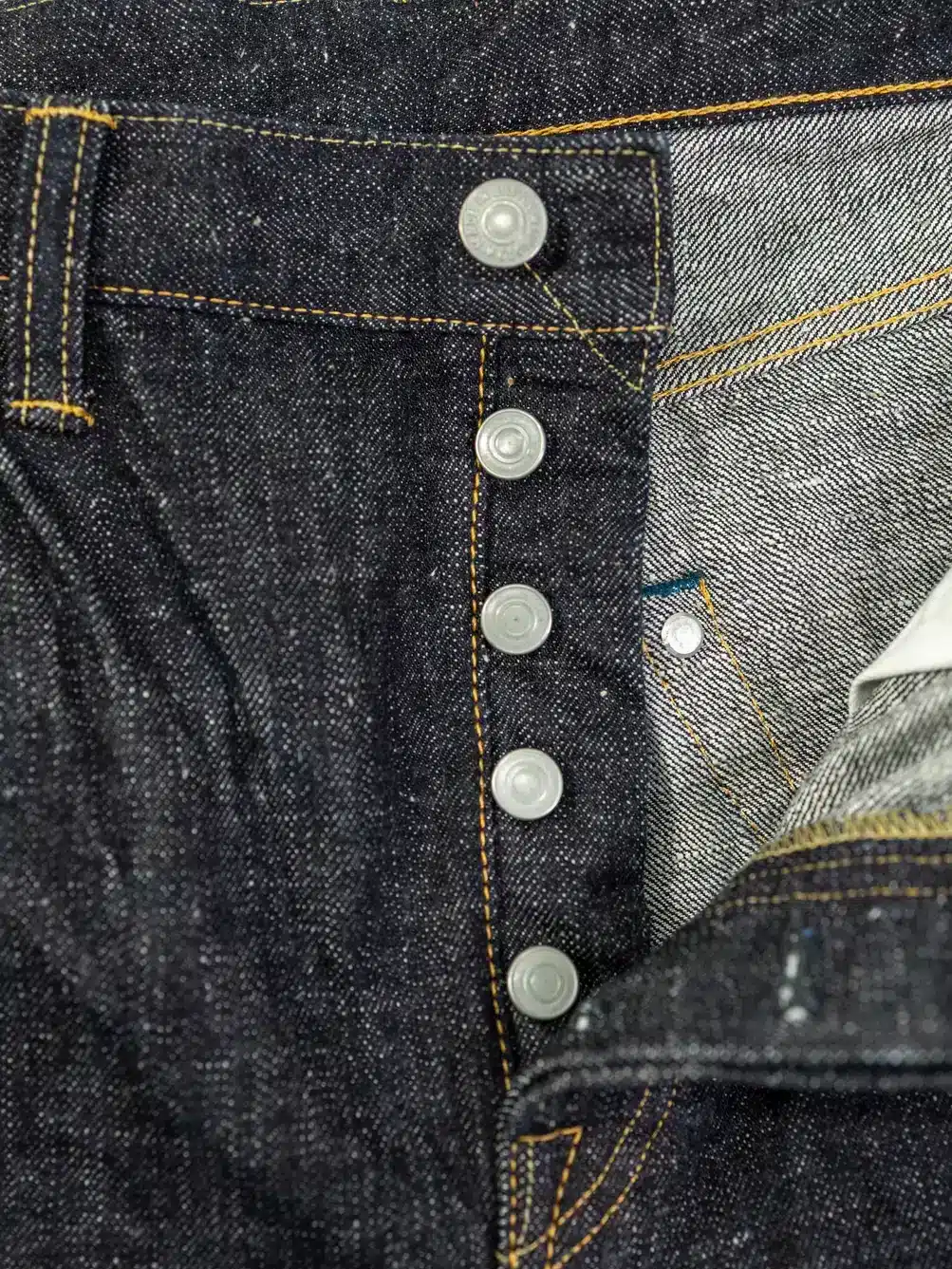
Omoto Jeans Details
This brand doesn’t chase vintage cues or heritage theatrics. What stands out is how deliberate everything feels—the graphics, materials, and finishing all speak the same quiet language.
That shows up in the construction too, which is typically Japanese:
- Copper punch-through rivets
- Hidden rivets on the back pockets
- Iron buttons (that’ll patina)
- Vegetable-tanned leather patch
- White brand tab on the back pocket
- Peek-a-boo selvedge coin pocket
- Cotton pocket bags with printed wash log
- Selvedge IDs in red, pink, or blue—depending on the fabric
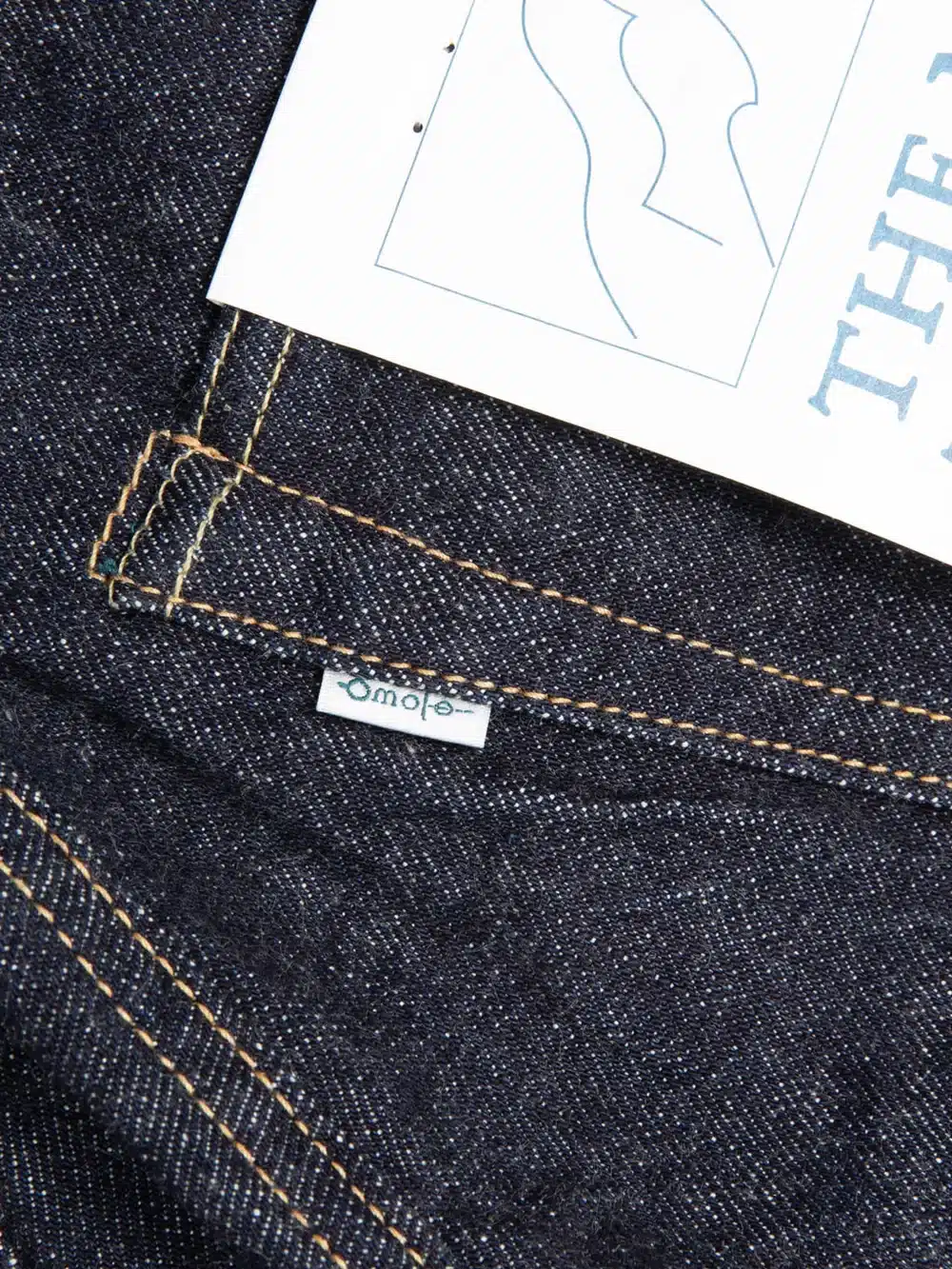
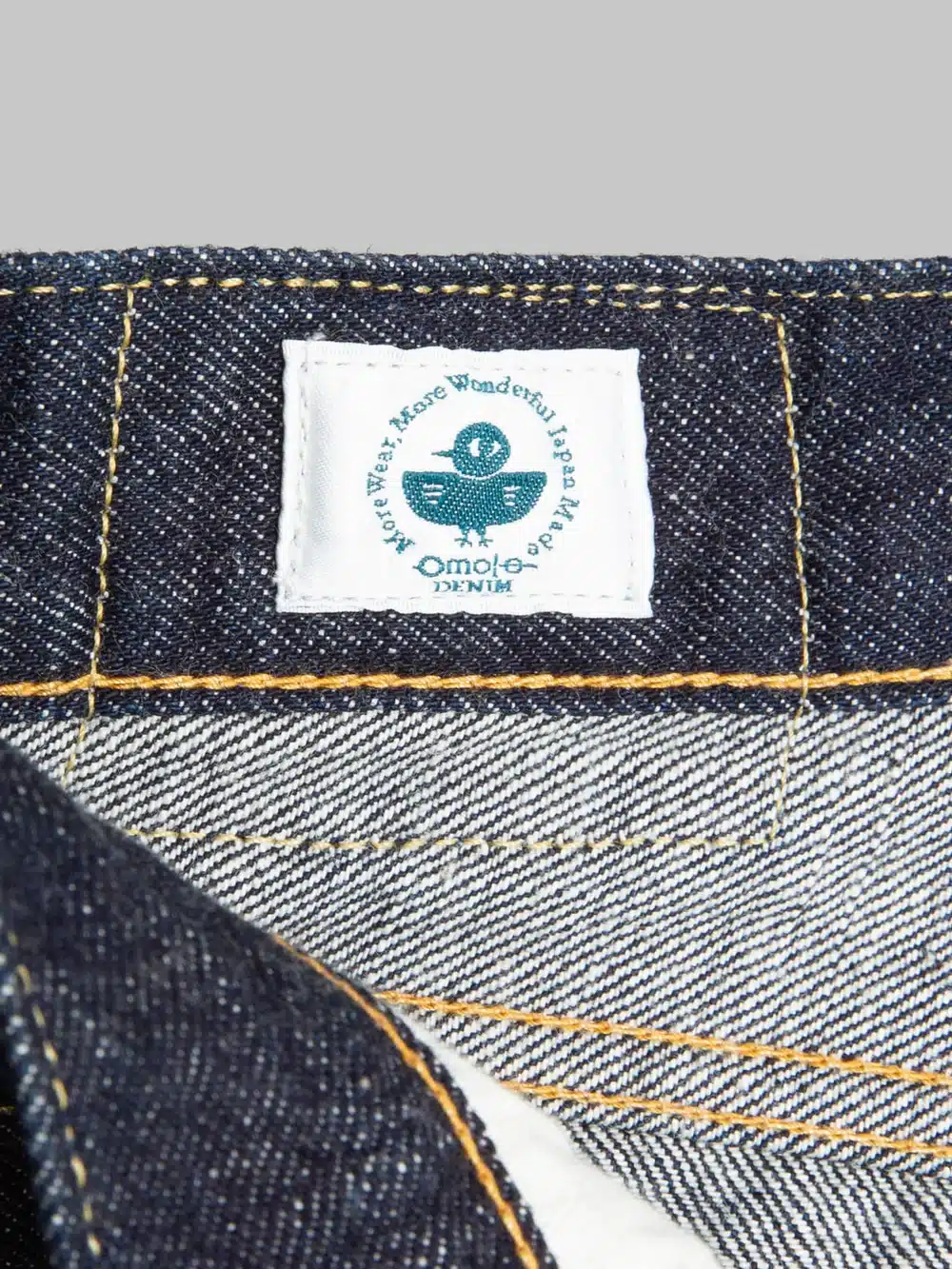
The soft blue-green tone—used across labels, tags, and flashers—echoes the indigo itself. It’s consistent without being sterile, and distinct without pushing for attention.
That same tone appears in Omoto’s bird icon. As the founders told Japanalogue, it symbolises “sharing what we make here in Okayama out into the world.” It’s not a logo for logo’s sake—it’s a quiet mark of intent.
Omoto’s Jeans Fits
All Omoto jeans are cut and sewn in Japan. The fits are modern without feeling fashion-led, and the denims are designed to soften quickly and fade beautifully.

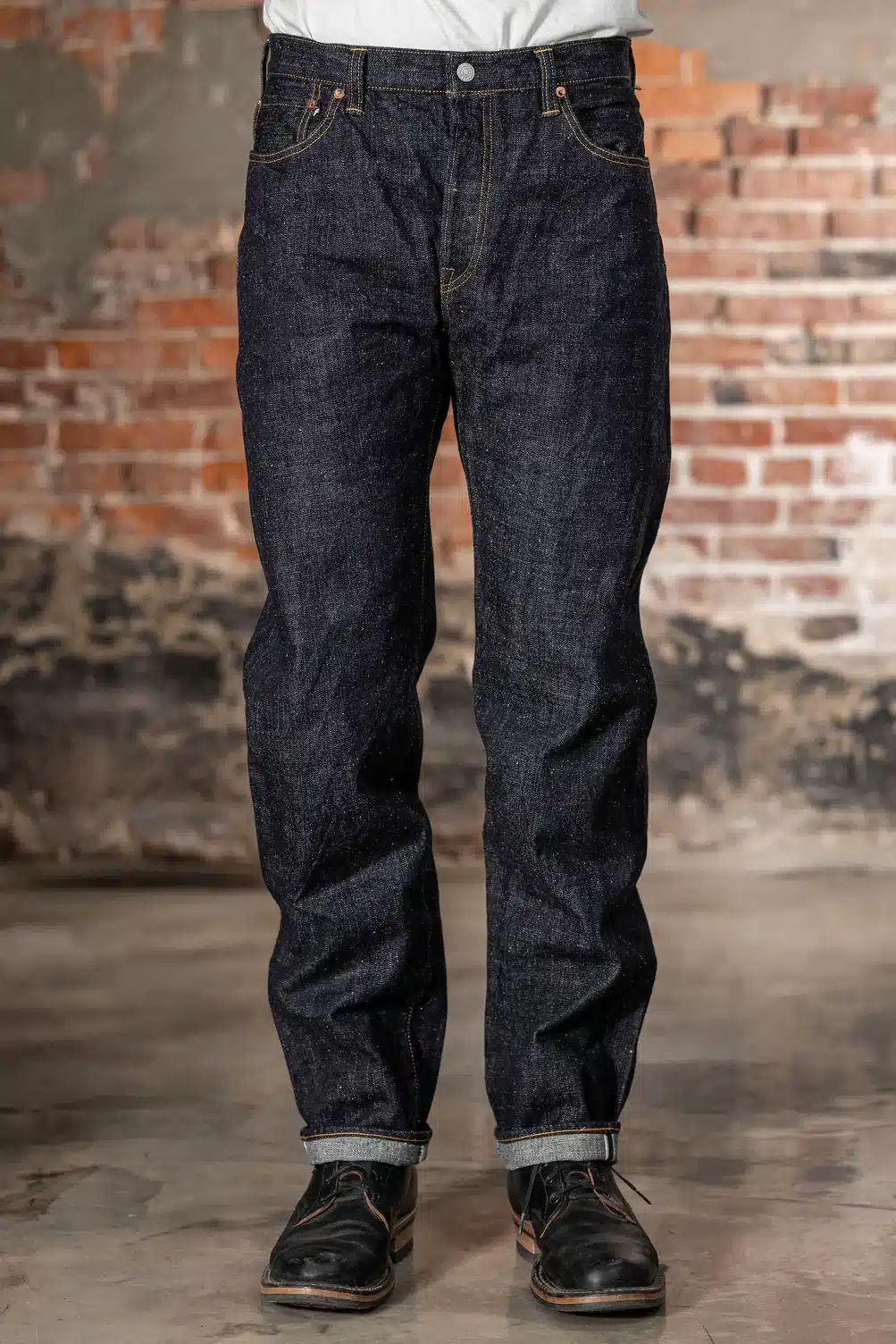
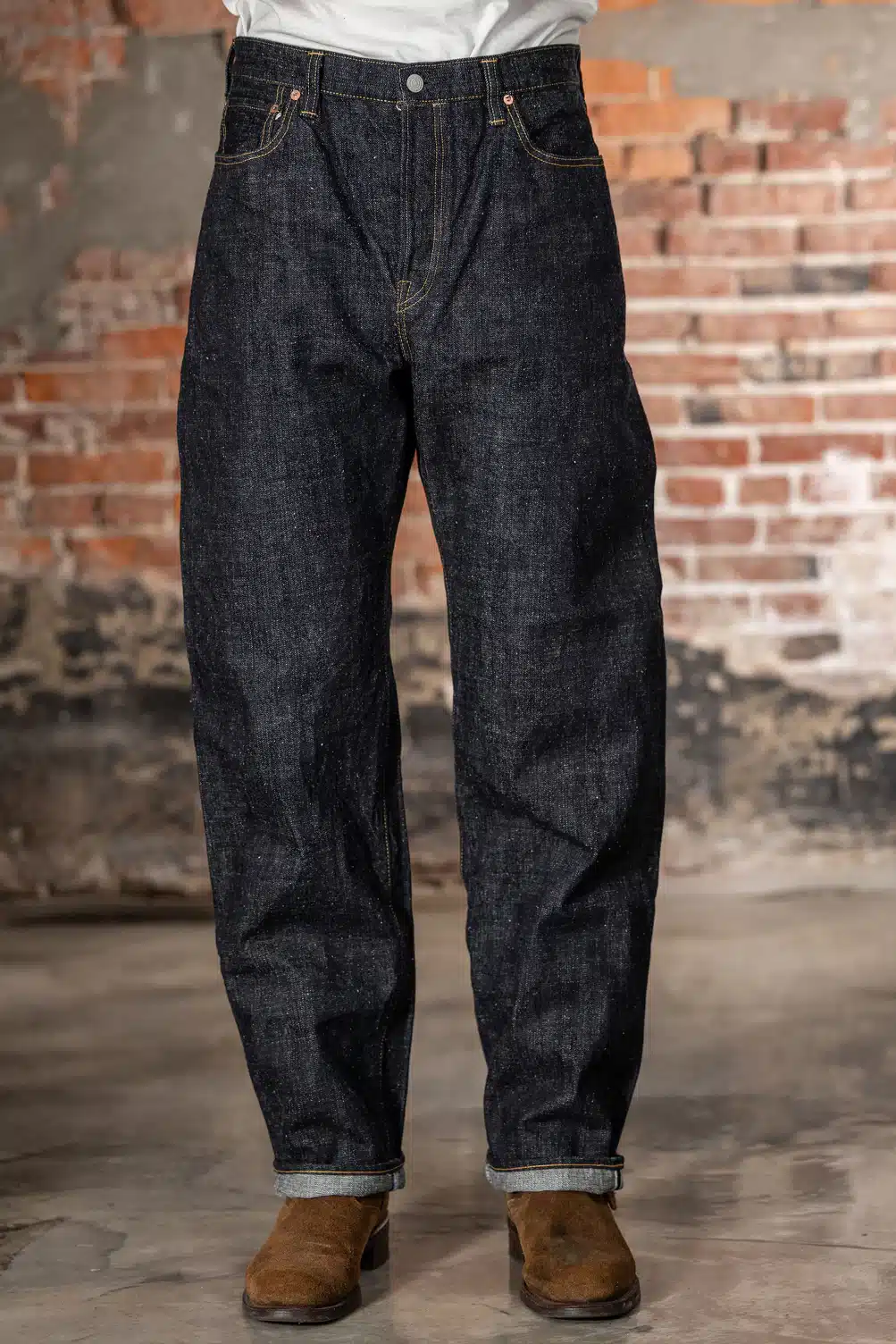
Getting the fit right is one of the hardest parts of making jeans—I know that first-hand from building Weirloom. And fit matters a lot for Japanese brands selling internationally: proportions tuned too narrowly to a domestic body type and preference don’t work outside Japan.
Omoto has designed three core fits that work across a wide range of bodies. The brand follows a naming logic that will feel familiar if you know Japan Blue: fit comes first in the name, fabric second.
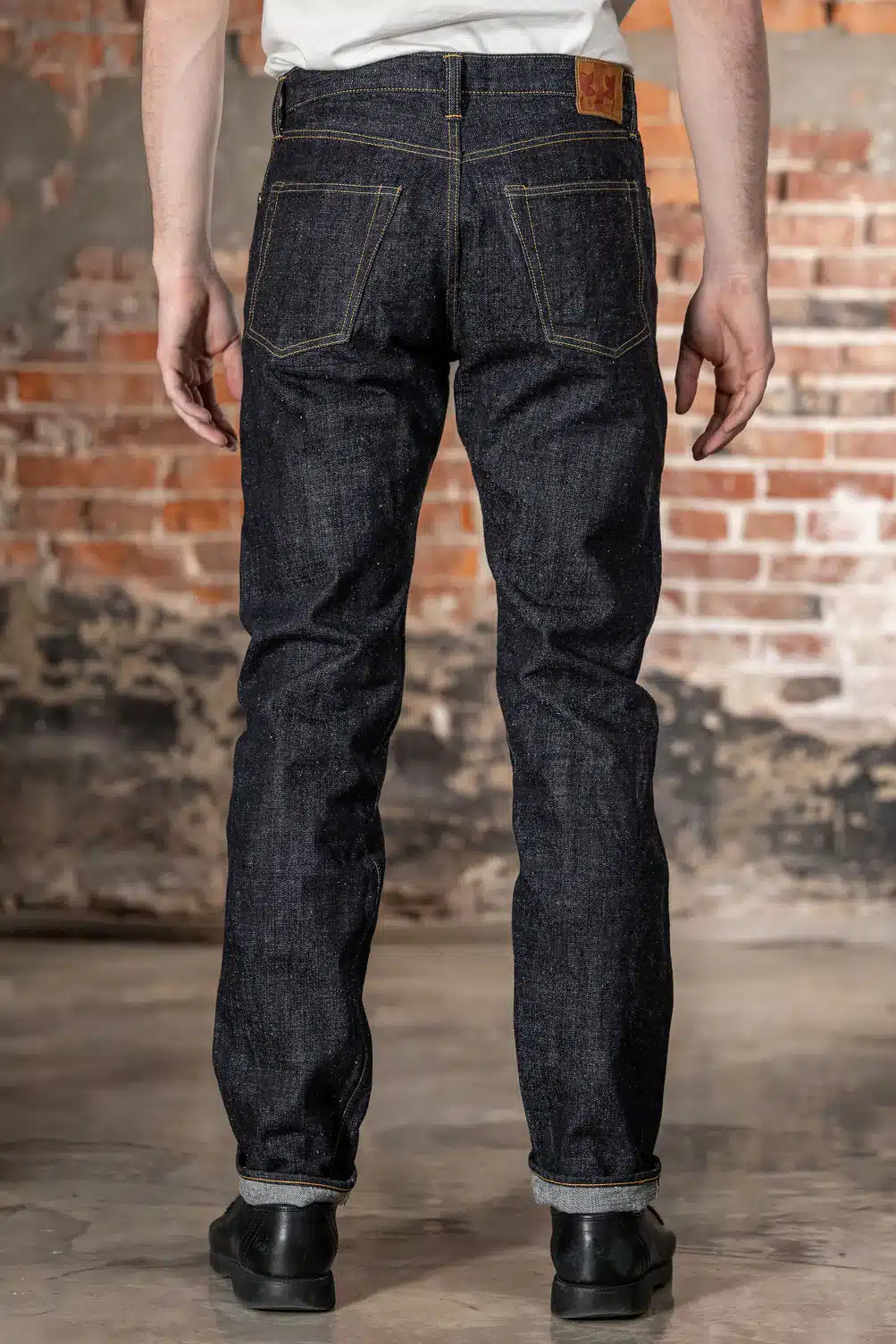
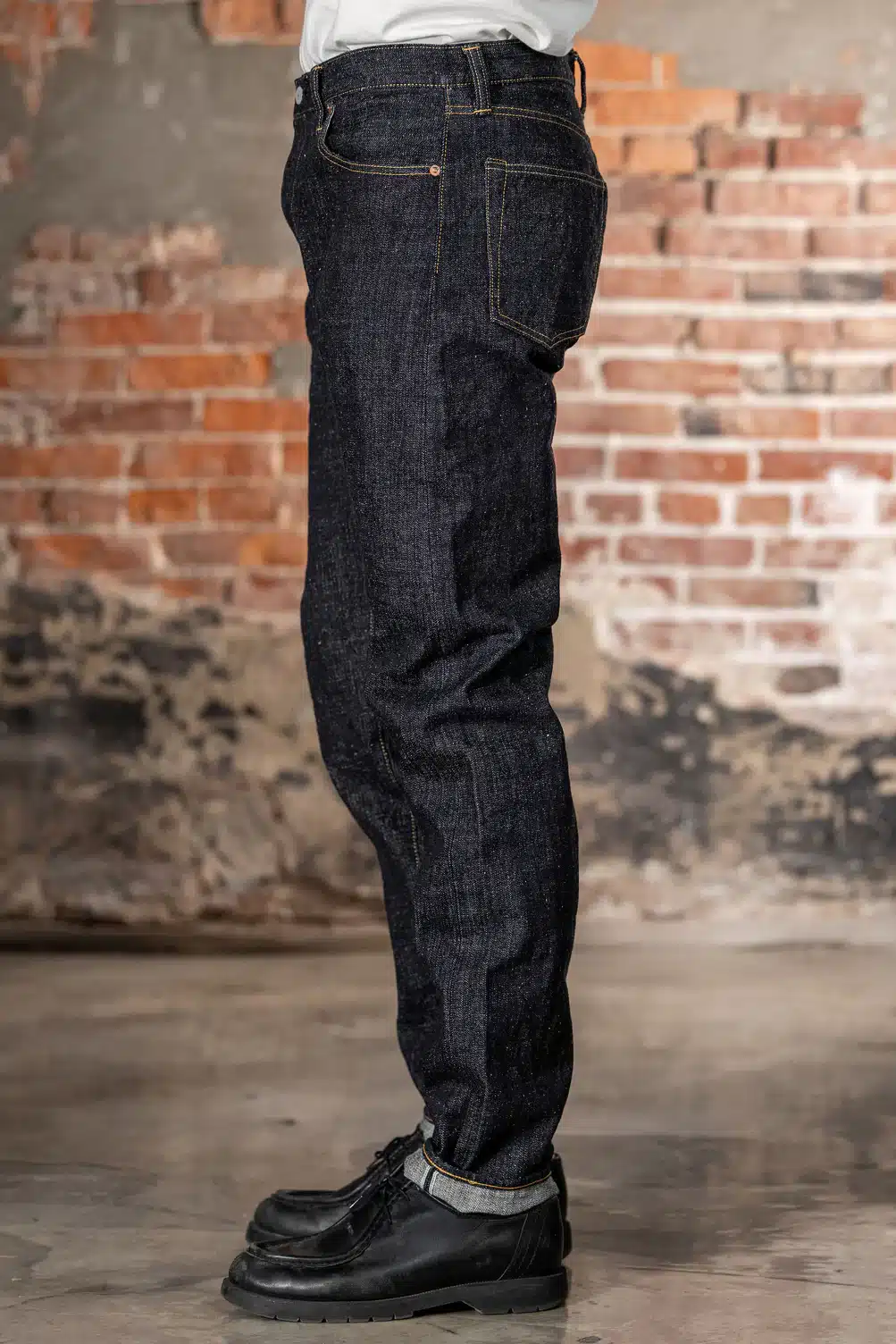
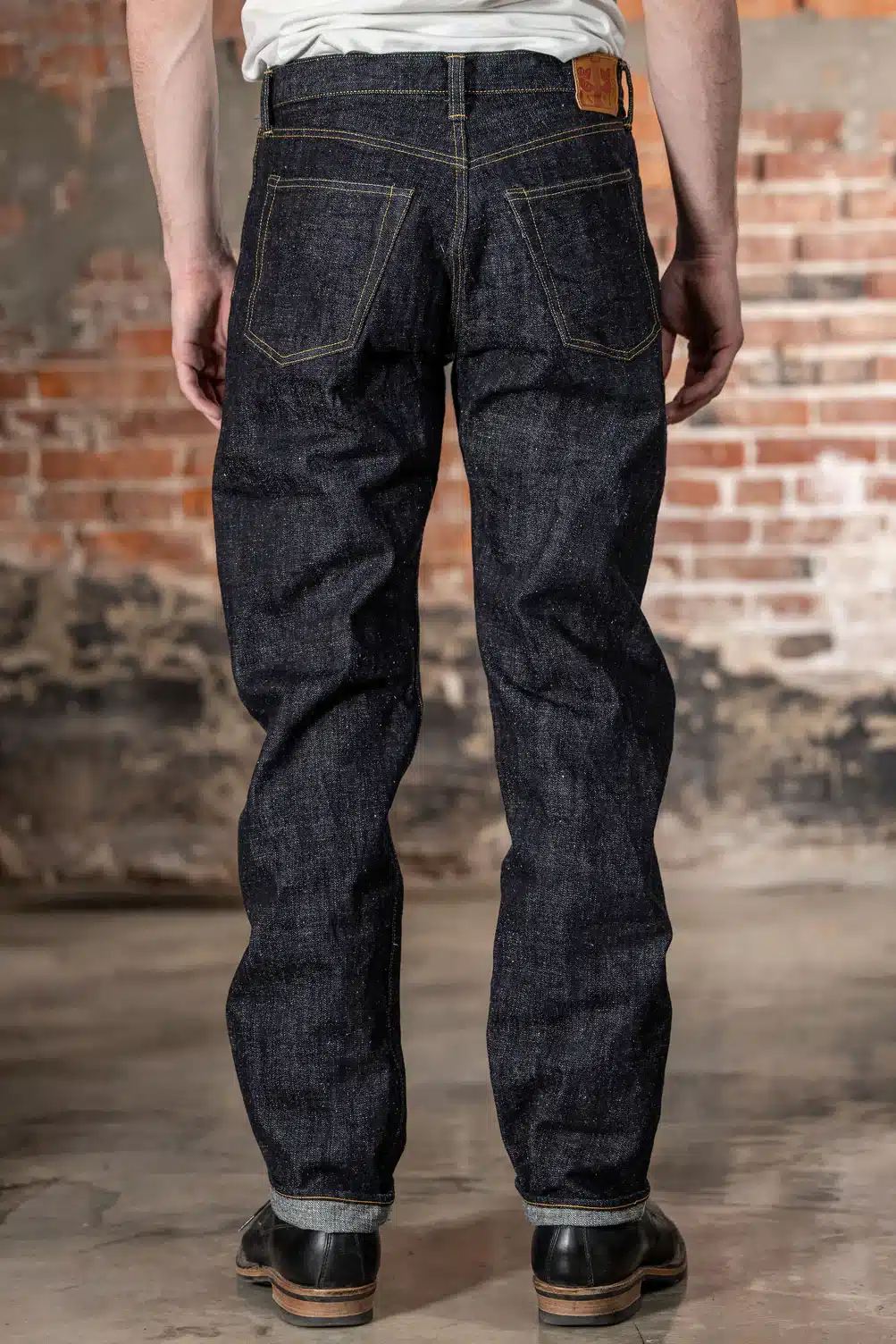
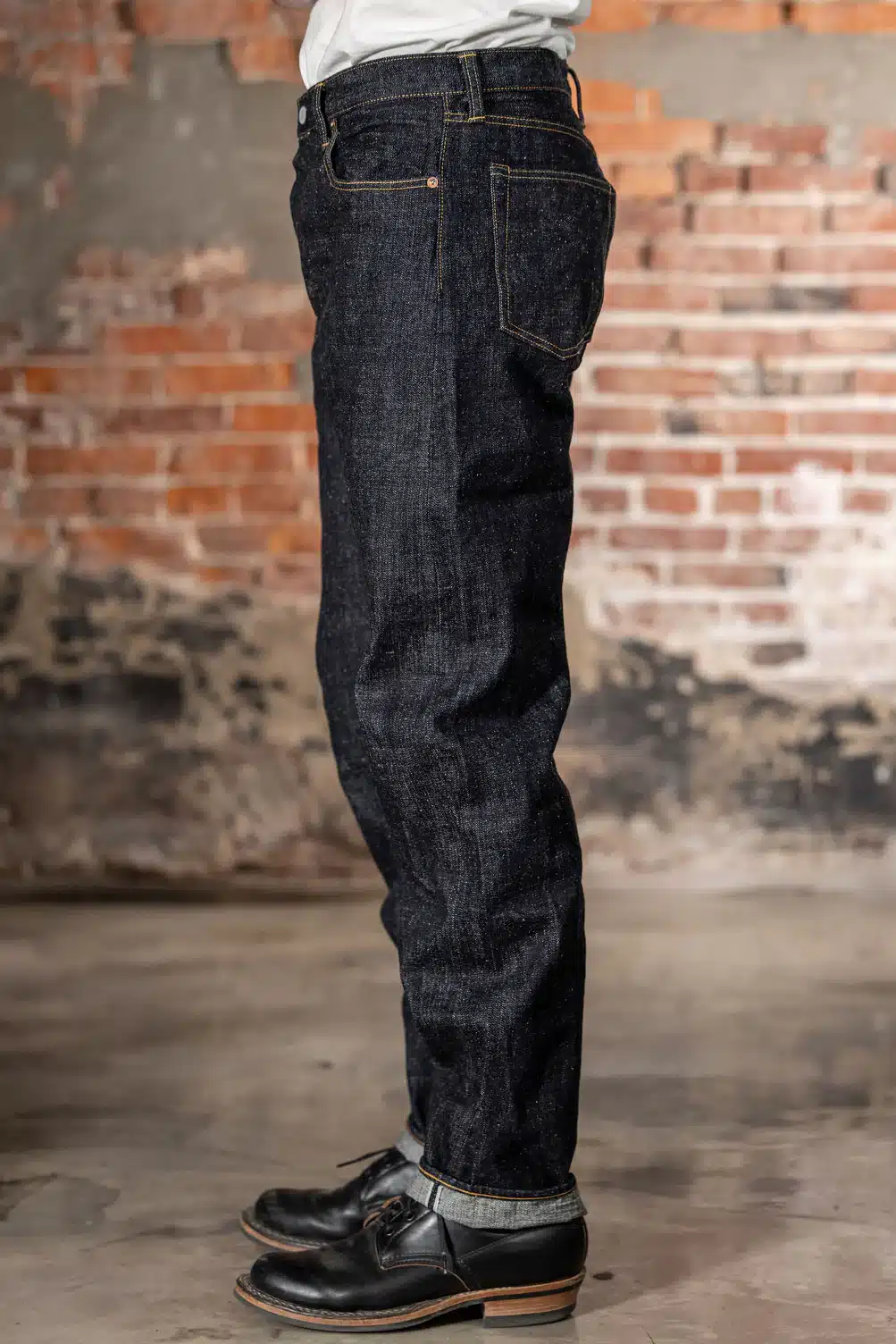
04 Fit: Regular Tapered
Despite being labelled a “straight” fit, this is very much a tapered cut—from mid-thigh to hem, the leg narrows with more bite than the name suggests.
I’ve reviewed and compared measurements, and the 04 is quite close to the J3 fit from Japan Blue. Compared to something like the Iron Heart 634, it’s got a similar top block but tapers below the knee.
The sizing of Omoto jeans is aligned with Western brands, so you probably won’t need to size up like most other Japanese jeans. But be aware that Omoto doesn’t offer odd-numbered sizes, which means you won’t find 29, 31, 33, or 35.
If you’re between sizes, consider whether you’d prefer a snug fit that stretches or a roomier one from the start—the denims will give a little with wear.
06 Fit: Relaxed Tapered
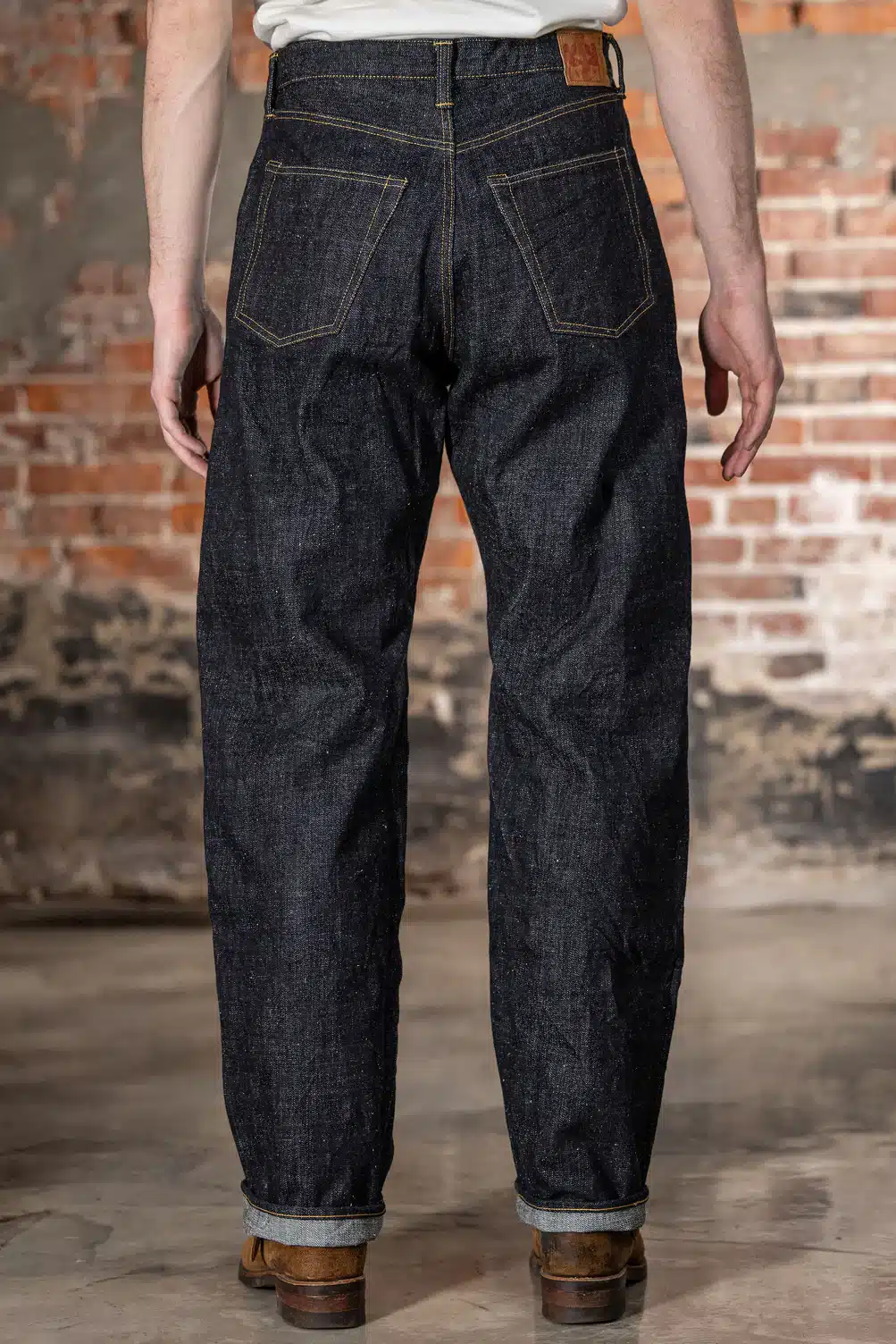
This cut gives you extra room up top with a stronger taper through the leg—essentially Omoto’s take on a comfort fit.
It lines up closely with Japan Blue’s J4, while the high rise and thigh room feel similar to Iron Heart’s 888, though the taper on the Omoto is slightly sharper through the knee.
08 Fit: Wide Straight
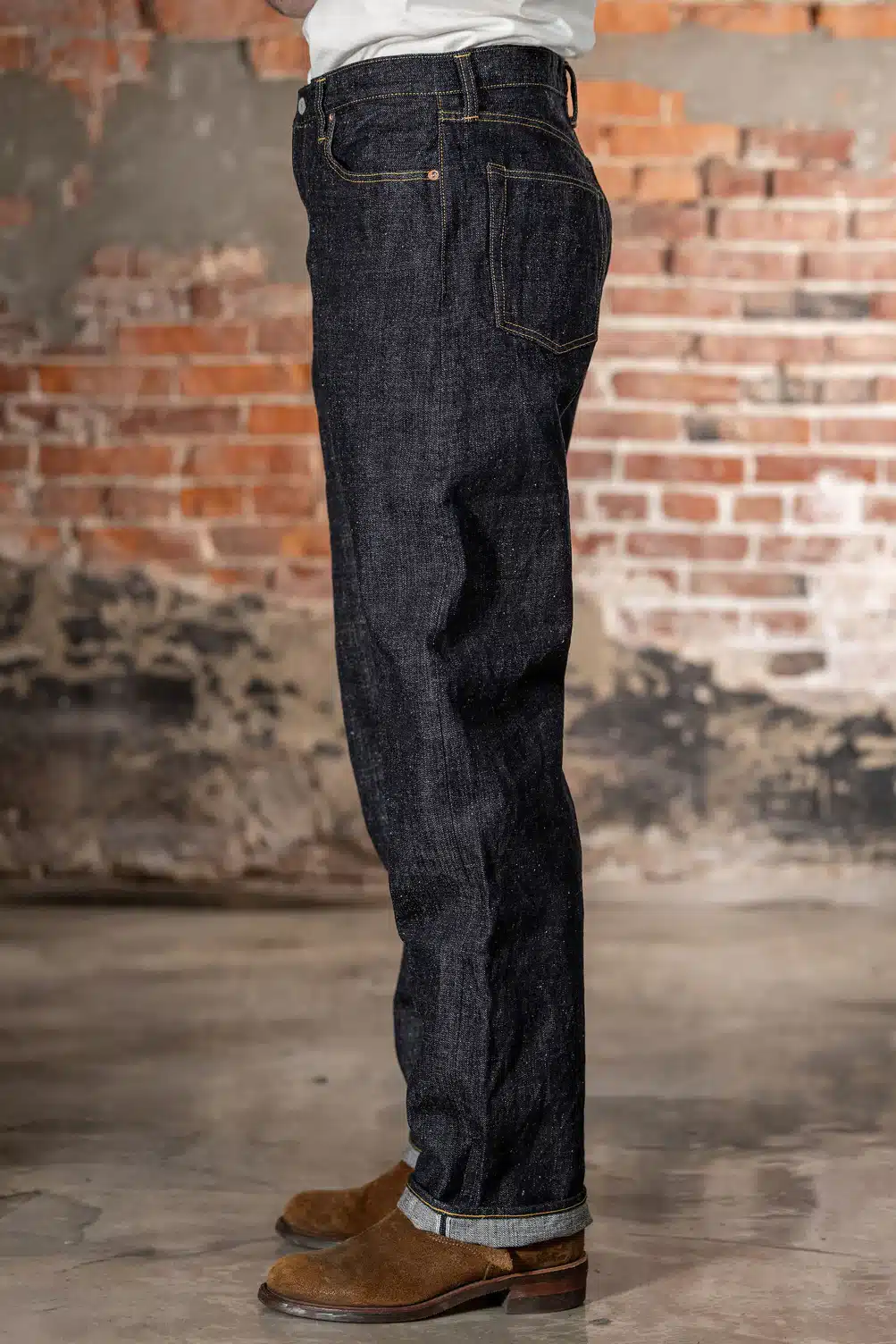
This is Omoto’s loosest fit, but it’s not exaggerated. Compared to Japan Blue’s J5, it has the same thigh and leg opening, but a slightly wider knee, which gives it a more relaxed taper and an easier drape through the leg. It’s spacious but still wearable—more classic than oversized.
Retailers Redcast Heritage, Franklin & Poe and Cultizm also have all of the fits available.
Omoto’s Core Denims
It’s probably no surprise that Omoto exclusively works with Japanese shuttle-loom selvedge denims. They’re unsanforized and one-washed, and all are developed from the ground up with some of the best mills in Japan.
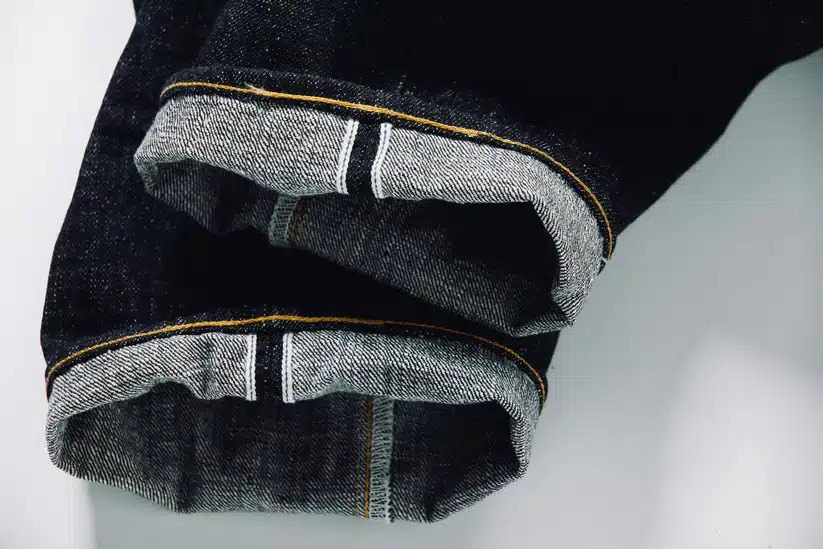
11 Denim: 15.5 oz. Slub-Nep
This denim’s heavy and quite textured. Woven on vintage Toyoda shuttle looms under very low tension, the fabric has a rough hand and a lot of depth.
It’s rope-dyed with pure indigo and shows contrast early, especially at seams and stress points. If you want a fabric that fades fast and never looks flat, this is it.

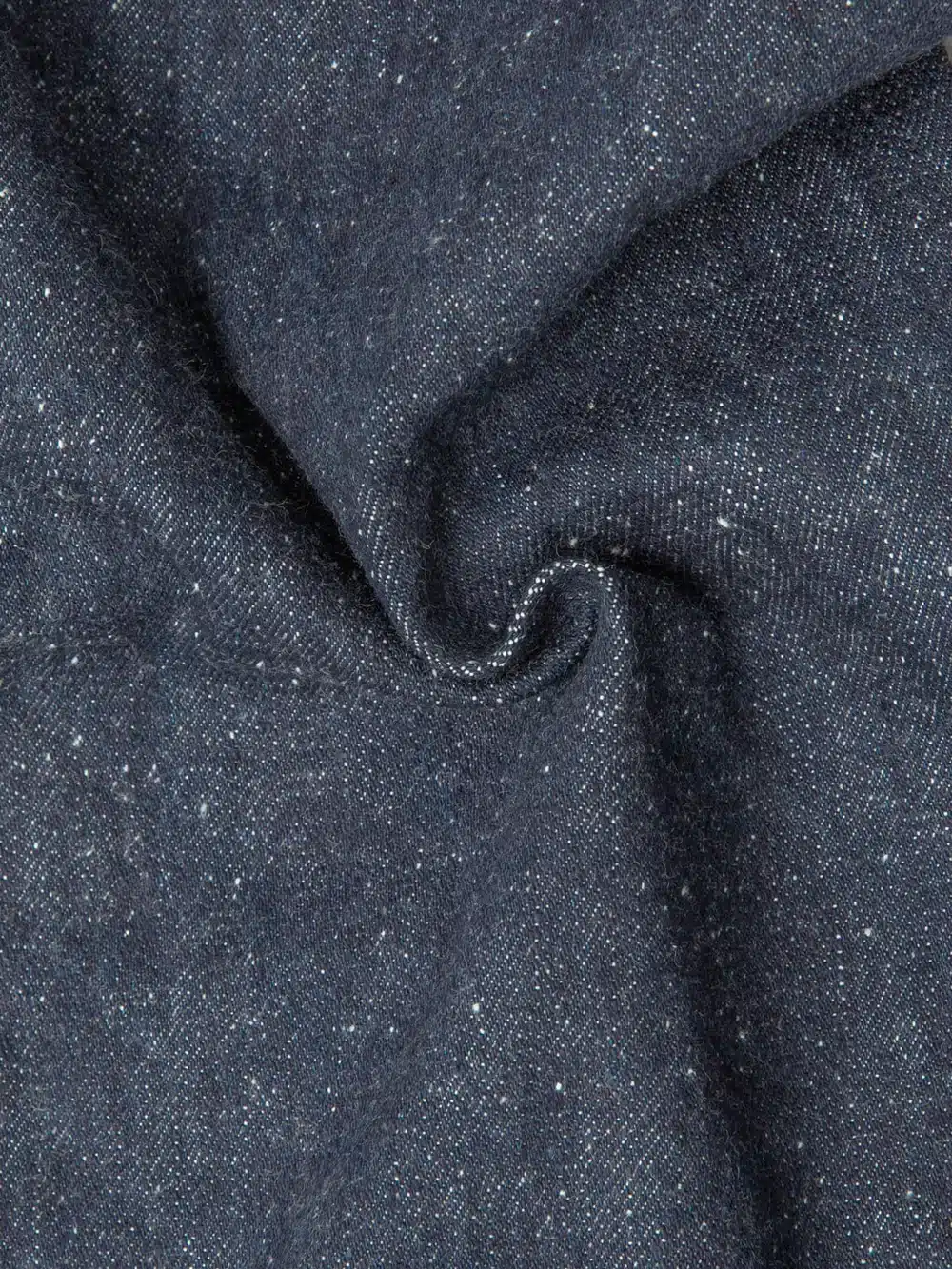
12 Denim: 16 oz. Super-Nep
The most textured fabric in Omoto’s lineup. Made from short-staple cotton and woven at low tension on vintage Toyoda GL8 looms, it has a dense, neppy surface that fades with sharp vertical contrast.
Rope-dyed in pure indigo, the tone is rich and deep The weft is spun using the traditional gara-bo method, adding a dry, hand-spun feel that really sets this denim apart.
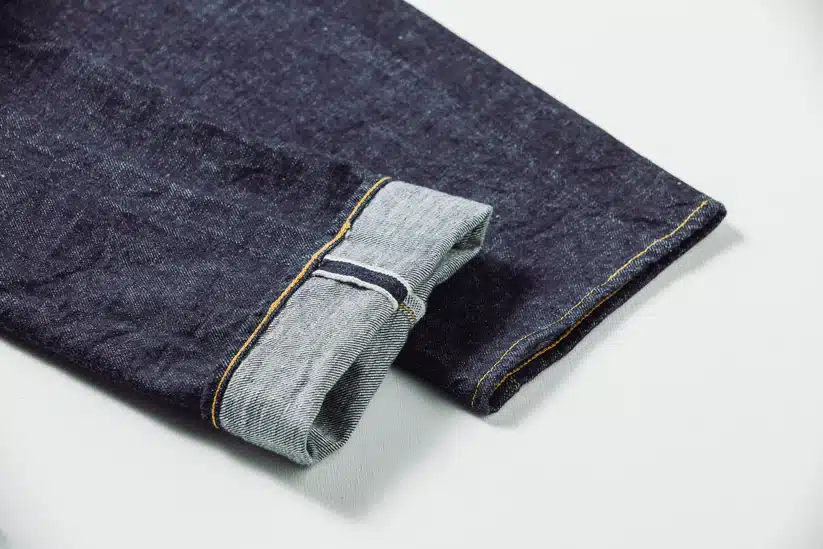
15 Denim: 13.5 oz. Classic Indigo
This is a mid-weight denim that wears in easily and works year-round. Made from a blend of Memphis and Zimbabwean cotton, it’s soft without feeling flimsy, and fades with less contrast than 11.
Dyed with pure indigo using traditional rope-dyeing, the 15 is woven on a modified 1950s Sakamoto shuttle loom, also under very low tension, which gives it a natural hand rather than a rigid feel.
You can also check out the denims at Redcast Heritage, Franklin & Poe or Cultizm.
What to Know Before Buying Omoto
The jeans are straightforward, but there are a few things worth knowing before you pick a pair—especially if you’re ordering online or choosing between fabrics.
Sizing and Fit: Omoto offers even waist sizes only, with a single inseam length. If you’re used to odd sizes or more precise charts, you’ll need to decide whether to size up or down based on preference.
Shipping and Returns: Orders placed through Omoto’s webshop ship free on all purchases over ¥10,000. Customised items like hemmed jeans are final sale. Most retailers offer similar shipping options.
Washing and Care: The denims are one-washed, so you don’t need to account for shrinkage. They’re made to be worn and washed, not babied. Wash inside-out, avoid high temperatures, and they’ll wear in the way they’re supposed to. Visit my denim care guides for more detailed guidance.
Ready to Get a Pair? Buy Them Here
Omoto is the kind of brand that makes sense in both fashion boutiques and specialist denim stores. It’s sharp without being showy, and every detail feels settled from day one.
If you’ve already tried heavyweight denim and the slubby extremes, this might be what comes next.
Get a pair before everyone else does. You’ll find them at Redcast Heritage, Franklin & Poe, Cultizm, and, of course, the brand’s own webshop.
Keep Track of What I’m Working On
I’m Thomas, founder of Denimhunters. Once a week, I send an email with what I’m working on and writing—new guides, deals, and things worth paying attention to.
The post Omoto Jeans, Thinking About Getting Some? Read This First appeared first on Denimhunters.
DENIM and PATCHES sourced this post originally published on this site