• Skip to main content
  • Skip to footer

DENIMandPATCHES

we sell DENIM and PATCHES

  • Home
  • About
  • Blog
  • Gallery
  • How To
  • Cart
    • Checkout
    • My account
  • Contact

How to Spot a Well-Made Tee: The 8 Hallmarks of Quality

June 25, 2026 by DENIMandPATCHES

Affiliate disclaimer: We work with most brands and retailers featured and earn commission on purchases.

Loopwheeled, Single-Stitch, Flat-Locks, and Other Signs of a Quality T-Shirt to Know

Seasoned vintage pickers, especially those who specialise in tees, don’t have to look at the tag or even at what’s printed on the tee to know the difference between trash and treasure.

Racks of vintage tees at the Rose Bowl Flea Market – Photo from Heddels

When it comes to a quality T-shirt, there are certain hallmarks of quality, almost all of them sewing techniques that were all but entirely abandoned in the ’80s and ’90s as once-respected brands moved away from quality and towards speed and volume.

Each of the tees we’ll recommend below has at least some of the details that vintage hounds look for—all signs that they’ve been made slowly and purposefully, just the way they used to be.

TL;DR – The 8 Hallmarks of a Well-Made Tee

If you just want the list, here’s what to look for:

  • Loopwheeled — no side seams, softer and denser than tubular knits.
  • Single-stitched hems and cuffs — once standard, now rare.
  • Heavyweight jersey — north of 7 oz. (237 gsm).
  • Bound collar — resists the “bacon neck” warp that inset collars get.
  • Flat-locked seams — sit flush instead of bunching.
  • Quality cotton — 100% cotton, known origin, long staple.
  • Artisanal dyeing — yarn- or garment-dyed, fades with wear.
  • Close-to-home manufacturing — made near where the brand is based.

Already sold on loopwheeled? See our favourite loopwheeled tees →

Want More Guides Like This in Your Inbox?

The DH Weekly is our founder’s Friday column and newsletter with new articles, deals, and things worth paying attention to. Sign up here:


What to Look for in Quality Tees

Vintage sewing and knitting machines—Singers, loopwheelers, Union Specials—left traces on the garments they produced, traces that seasoned vintage pickers can read like a book.

Heritage menswear enthusiasts look for these same signs when assessing the quality of modern-day well-made basics.

Some of these signs are difficult to spot. Others jump out at you when you know what to look for and where. Virtually every fibre and every stitch tells a story about the tee—who produced it, where, when, and why.

We’ve assembled a list of eight hallmarks of quality. For each of them, we’ll tell you what you should look for and provide you with links to three contemporary brands that wear this mark of quality as a badge of honour.


Quality Sign #1: Loopwheeled

It’s no surprise that we’ve placed loopwheeled at the top of this list. We’ve been recommending loopwheeled tees for years, often likening loopwheeled basics to selvedge denim (both are produced on older and slower machines, and both are generally of higher quality than the alternative). 

Merz b. Schwanen’s loopwheelers (the only ones of their kind outside of Japan)

Loopwheel machines knit in the round, meaning that they produce a tube rather than a sheet of fabric. They rely on gentle gravity rather than firm mechanical tension to tighten the knit, which leads to an unbroken circle of soft, textured, and easy-breathing cotton. 

The easiest way to tell if a tee is loopwheeled is checking the sides of the body. If the shirt has side seams, it’s highly unlikely that it’s loopwheeled. The only exception we’ve encountered is Utilitees, who use loopwheelers to make fabric for very large sizes (2XL to 4XL) that is cut and then assembled into large-bodied tees.

James Dean paired his Lee jeans with tubular knit white tees likely produced by either JCPenney or Sears (note the lack of side seams)

If the shirt doesn’t have side seams, this doesn’t necessarily mean it’s loopwheeled. It may have been produced on modern tubular knitting machines. Telling the difference between loopwheeled and tubular knit tees means getting up close and personal with the fabric. 

Strike Gold’s made-in-Japan loopwheel tee (left) and Wythe’s made-in-Portugal tubular knit tee (right)

Tees produced on loopwheelers usually have more of a hand-knitted feel than those produced on modern circular knitting machines, with more slight imperfections that lend character to the fabric. They feel loftier and, especially in lighter weights, drape beautifully. 

Loopwheeled tees are almost always proudly advertised as such. If there are no side seams but no mention of loopwheelers, it’s probably knit on modern machines. If it hasn’t been made in either Germany or Japan (home to the world’s only operational loopwheelers), it’s not loopwheeled.

The Strike Gold

Regarded by many as the finest loopwheeled tees to come out of Japan.

Shop The Strike Gold →

Warehouse

With unbeatable texture, these boxy tees are among the best tees we’ve ever tried.

Shop Warehouse →

Whitesville

Relatively inexpensive and incredibly soft, these Japanese tees are our value pick.

Shop Whitesville →

Want more loopwheeled options? See our full roundup of favourite loopwheeled tees →


Quality Sign #2: Single-Stitch

“Single-stitch” has become a byword for quality pieces among vintage pickers, largely because it’s a reliable sign that the shirt is bona fide vintage. The stitch, with its recognisable single row of vertical stitches appearing on the outside of the cuffs and the bottom hem, largely disappeared from mass-produced tees in the mid-nineties.

Single-stitched hem on top, double-stitched hem on the bottom

Funny enough, the movement to the double stitch was likely an attempt to improve tee shirt quality, but, at the same time, manufacturers were becoming increasingly sloppy with cotton sourcing and manufacturing. 

Like many of the other features we’ll discuss below, the single stitch doesn’t appear in isolation. When it’s there, it’s a sign that we can likely expect more from that tee in terms of cotton quality and careful construction.

Single-stitched cuff on the impeccable Warehouse Slub Tee

On its own, the single stitch is not a guarantor of T-shirt quality. For vintage pickers, it’s a way to quickly assess a garment’s age (with older tees being more valuable and usually better-made). For well-made tee hunters, it’s a good sign that the brand is looking to the past for inspiration.

Mister Freedom

This American brand’s Skivvy tees feature single-stitched cuffs and hems.

Shop Mister Freedom →

Merz b. Schwanen

Deeply rooted in traditions, most Merz tees feature single-stitched hems and cuffs.

Shop Merz b. Schwanen →

Cotton Research Club

This Japanese brand finishes their tees with single-stitched cuffs and hems.

Shop Cotton Research Club →

Quality Sign #3: Heavyweight Jersey Fabric

For many selvedge enthusiasts, weight and quality are virtually synonymous. Many of us have been drawn into the world of selvedge denim by heavy pairs that look, feel, and fade like nothing else.

We soon begin to apply this same criteria to other pieces. Brands have recognised this, resulting in a kind of arms race to see who can produce the heaviest quality tees.

Up close and personal with Wonder Looper’s superheavyweight jersey – photo from Heddels

This is one of the easiest things to assess when handing a tee. Pick it up, rub the fabric between your fingers, put it on—it should be immediately obvious that you’re holding something heavier than average. 

If you want a precise weight, retailers and brands will often include the fabric weight in the description. Anything north of 7 oz. is entering into heavyweight territory. Weight occasionally appears in grams per square metre (gsm). Heavyweight tees will be around 250 gsm or more.

Iron Heart’s very robust 11 oz. Loopwheeled Tee

Since heavyweight jersey fabric is stiffer than conventional jersey fabric, be extremely careful with sizing. Heavy tees that are either too small or too big stand out in ways that won’t do you any favours. Read the measurement charts carefully.

Iron Heart

The first name in heavy, loopwheeled tees made in Japan.

Shop Iron Heart →

Wonder Looper

The world’s heaviest tees simply have to be experienced.

Shop Wonder Looper →

Deluxeware

More than double the weight of typical tees.

Shop Deluxeware →

Quality Sign #4: Mounted/Bound Collar 

Like the single stitch, the bound neck is a reliable indicator for vintage pickers that they’re looking at something produced before the mid-nineties. A more labour-intensive process, the once-standard bound neck gave way to simpler, inset collars.

A single-stitched vintage Russell Athletics tee with a bound/mounted collar

The inset collar or neckband is made by folding a piece of fabric (often ribbed) and sewing it to the inside of the neckline. The collar appears to sit flush with the body of the shirt. 

A bound or mounted neck is made by folding a piece of fabric around the raw edge around the collar. On both the inside and the outside or the tee, there is a much stronger boundary line separating the body of the tee from its collar.

Well-worn examples of a bound/mounted collar (white) and an inset collar (brown)

If you want to avoid that wavy “bacon neck” that you commonly see in tees with inset collars that have been stretched out too many times, the bound collar is significantly less prone to warping and stretching than collar bands.

The dreaded bacon neck on an inset collar

This strength and durability is a double-edged sword. Since the neck doesn’t stretch much, you might experience some minor discomfort when putting it on or taking it off (I wear glasses, and I have to remember to remove them before pulling some of my sturdier bound-neck tees off).

Real McCoy’s

The Japanese reproduction titan pulls out all the stops on their well-made tees.

Shop The Real McCoy’s →

UES

This Japanese brand’s No. 8 Slub Nep tees are legendary among enthusiasts.

Shop UES →

Knickerbocker NYC

This throwback American brand produces some of North America’s best tees.

Shop Knickerbocker NYC →

Quality Sign #5: Flat-Locked Seams

An important detail when considering non-loopwheeled tees, flat-locked seams sit flush with the fabric—the next best thing to the seamless construction. Especially if you prefer slim-fitting tees, flat-locked seams can make a big difference in terms of comfort.

Flat-locked seams are more obvious on the outside of the garment but flatter and more comfortable on the inside

Typically, the front and the back of the tee are stitched together with an overlock seam along each edge and then turned inside out, leaving some seam allowance remaining on the inside of the garment.

Flat-locked seams join the two edges of the fabric without this extra allowance. Seams are more prominent on the outside of the garment, but, crucially, they are flatter (this is especially important for skin-tight activewear or underwear, but also for premium basics).

Flat locked (left) vs overlocked (right). Which one looks more comfortable?

It’s a detail that even premium tee makers often skip, but it’s one that really stands out when you start inspecting tees on both sides. It’s not a mark of inferior quality to find an overlocked stitch on the inside of the garment, but flat-locked seams are definitely a sign that a tee has been made carefully and purposefully. 

Like the bound collar, flat-locked seams are less prone to warping as the tee ages. If the side seams are overlocked, you might get that rippling effect that subtly affects how the shirt drapes around your body.

Reigning Champ

Canada’s premier knitwear manufacturer uses flat-locked seams to give them a performance edge.

Shop Reigning Champ →

Les Tien

Sewn inside out to showcase the beautiful flat-locked seams on the outside of the tee.

Shop Les Tien →

Jackman

This throwback American brand produces some of North America’s best tees.

Shop Jackman →

Quality Sign #6: Carefully Sourced Cotton

The well-made tees we recommend are almost always 100% cotton (almost always ring-spun). There are exceptions, but if the fabric is blended, it’s always some mixture of natural fibres (often either linen or hemp). 50/50 poly/cotton blends might be prized by vintage pickers, but they don’t get any love from us.

100% cotton is a relatively low bar to clear, though. The source of the cotton and staple length (longer is better for tees) are important. Some of the best basics brands search high and low for what they feel are the best strains of cotton on the planet, and they tend to advertise this.  

A good rule of thumb: if the brands tell you exactly where they’ve sourced their cotton from, this is a good sign. It almost always means they cater to customers who care about not just how their tees are made but what they’re made from.

Proudly growing their own cotton in Japan, Samurai have taken cotton sourcing to the next level – Photo by Japanalogue

If they say nothing of substance about how they source their cotton, I take this as a red flag. If I cannot find any information about their cotton sourcing online, there may be ethical or environmental issues somewhere in their supply chain. 

Samurai Cotton Project

The only brand on this list to grow their own cotton in their own backyard. 

Shop Samurai →

Studio D’Artisan

Made from soft and silky Suvin Gold, one of the world’s highest-grade long-staple cottons.

Shop Studio D’Artisan →

3sixteen

Long-stapled Pima cotton grown in the United States is prized for its durability and softness. 

Shop 3sixteen →

Quality Sign #7: Artisanal Dyeing

We may have a mile-wide soft spot for white tees, but a splash of colour (especially when that colour is indigo) is just as essential when we’re building a collection of well-made basics. 

What makes a coloured tee really jump out at us is when the colour has been applied in ways that lend character to the garment. Bright and solid-coloured tees are relatively easy to produce, but colour that seems to dance on the surface of the garment is another matter entirely.

A navy blue loophwheeled tee (left) vs. an yard-dyed indigo tee (right)

Artisanal dyeing (usually either yarn or garment dyed) is a slow and methodical process. The colour evolves with each application, and it is meant to keep evolving as the garment ages. Like well-made selvedge jeans, faded garments are treasured by those who have invested the time in them.

My faded PBJ indigo tee just gets better with each wear

Almost always, when the tee has been dyed by artisans, the tee itself is of extremely high quality. Though we pay a high premium for the combination of a well-made tee and artisanal dyeing, the investment pays off in spades when the tee begins to fade and reveal its deepest true colours. 

Tanuki

Heavy and drenched in indigo, Tanuki’s flagship tee is a thing of beauty.

Shop Tanuki →

A New Medium

Iron Shop Provisions’ in-house brand, ANM, have overdyed their well-made tee to perfection.

Shop A New Medium →

Pure Blue Japan

The kings of the category, Pure Blue Japan’s indigo-dyed tees age beautifully.

Shop Pure Blue Japan →

Quality Sign #8: Close-to-Home Manufacturing

There’s no guarantee that tees manufactured in more expensive labour markets like the United States, Japan, and Europe are substantially better than those produced elsewhere. Still, like so many of the other hallmarks of quality, it’s a sign that the brand is willing to invest in their products.

A vintage Singer in Dehen’s in-house Portland, Oregon, factory

Even when shipping costs are factored in, brands in North America, Japan, or Europe pay a hefty premium to manufacture their garments close to home. They do this, not only to support local industry, but also to oversee manufacturing and quality control in a more direct way. 

Of course, this premium is passed on to the consumer, but heritage menswear enthusiasts are happy to support brands that do their manufacturing either in house or in factories close to their headquarters because it suggests something about that brand’s values.

A seamstress at Mooncastle’s knitwear factory in Japan

If you care about brand values as much as we do (i.e., a lot), treat the place of manufacture as a starting point. If it’s been made close to home and there are other hallmarks of quality, you’ve got a winner on your hands.  

Dehen1920

Arguably America’s best knitting factory, Dehen do all of their production in-house.

Shop Dehen1920 →

Heimat

Our favourite well-made sweater brand, Heimat produces all of their tees in Germany.

Shop Heimat →

Mooncastle

Made to an exacting standard in the brand’s in-house factory in Japan.

Shop Mooncastle →

Well-Made from Top to Bottom

No single tee hits all eight signs, and it doesn’t need to—a loopwheeled tee from a small Japanese mill and a heavyweight, close-to-home-made tee from Dehen are both well-made, just making different bets on what matters most.

If you’re starting from scratch, our loopwheeled picks are the easiest place to begin. See our favourite loopwheeled tees →

Once you’ve got the tee sorted, pair it with a great pair of selvedge jeans. Start the hunt with our Selvedge Masterlist →

Keep Track of What I’m Working On

Hi, I’m Thomas, founder of Denimhunters. If you liked this article, you should check out the DH Weekly. It’s my weekly column and newsletter that I publish every Friday, with new guides, deals, and things worth paying attention to.

The post How to Spot a Well-Made Tee: The 8 Hallmarks of Quality appeared first on Denimhunters.

DENIM and PATCHES sourced this post originally published on this site

Filed Under: Blog

Tellason’s New Chinos Give Denim Guys a Summer Option

June 25, 2026 by DENIMandPATCHES

This is a sponsored blog post, one of our paid services. We maintain full editorial independence. Read more here.

What to Wear When It’s Too Hot for Jeans

Every summer, denim guys start looking for lighter jeans. We look at denim weight, weave, fabric breathability, even washed options, and all the variables that might make jeans easier to wear when the temperature rises

But sometimes, the obvious warm-weather alternative to jeans isn’t actually jeans. It’s chinos.

A good pair of chinos solves many of the same problems you try to solve with lightweight denim. They’re lighter, easy to wear, and naturally more relaxed. They still work with the same shirts, sneakers, and T-shirts—but they bring a different shape and feel.

Tellason’s wide-leg chino could be what you’re looking for. More room, lighter fabric, same denim-friendly wardrobe.

Why Tellason Made a Wider Chino

The San Francisco brand already moved toward roomier silhouettes with the Fredy fit, which was right on time when it launched. According to co-founder Tony Patella, the success of both the Fredy jeans and Tellason’s wide-leg fatigue pants told them that a wide-leg chino would likely be well received too.

That matters because Tellason has always been a jeans brand first. But over the years, the brand has built a wider jeanswear wardrobe: shirts, fatigues, chinos, jackets, and recently also sneakers—the kind of pieces that make sense next to proper jeans.

Wide-leg chinos fit into that world. It’s not Tellason suddenly becoming a fashion-trouser brand. It’s more like the brand recognising that what feels classic can still move.

What Chinos Do Better Than Jeans

The point isn’t that chinos replace jeans. They do something different.

Chinos wear differently from jeans. Without those patch pockets, the yoke, and that heavy denim seams, they look cleaner and feel more … trouser-like, even when the fit has plenty of room.

Tapered
Straight
Wide

Tellason’s wide-leg chino gives you a 9 oz. cotton twill, a roomier leg, and a shape that feels more relaxed than their existing tapered and straight-leg chinos.

Tony explains that the wide-leg chino is wider throughout the hips, seat, and legs. The difference between the straight and wide fits is bigger than the difference between Tellason’s tapered and straight chinos, which share the same waist-to-knee measurements.

It’s still simple. Still khaki. Still easy to understand (and wear). But it gives denim guys another option when jeans feel like too much.

Big Pants, Not a Big Statement

On the product page, Tellason references the Madness song Baggy Trousers, punk, ska, and reggae. But the styling keeps it simple: pink oxford shirt, beat-up Vans slip-ons (skate editions), wide khaki chinos.

It doesn’t look like workwear costume. It doesn’t look like fashion styling. It looks relaxed, lived-in, and easy. Very Tellason.

Tony says those music and subculture references didn’t necessarily shape the fit itself. The military influence is more direct in the details, including the button fly and lined waistband.

That pink oxford is Tellason too. I’ve also covered why their oxford shirt belongs in a denimhead’s wardrobe in this review.

Why ‘Made in Italy’ Matters

Tellason’s tapered and straight-leg chinos are built around a different setup: Japanese fabric, San Francisco production.

The wide-leg chino shifts both fabric and production to Italy. That shouldn’t be treated as a side note, but it also shouldn’t be over-romanticised.

According to Tony, the Japanese twill used for the existing chinos is limited in availability, so they decided to keep that fabric for those products. The Italian twill is also nicely woven, and importantly, less difficult to get a hold of for them.

That gives the wide-leg chino its own identity inside the lineup. Same category, same basic idea, but a different fabric, production setup, and fit.

Who These Chinos Make Sense For

These are for guys who love jeans, but don’t always want to wear jeans. Especially in summer.

They’re for someone who wants something lighter than denim, more room than a slim chino, a cleaner silhouette than jeans, and a pant that still works with denim-world staples.

There used to be an assumption that wide-leg pants were mainly for bigger guys who truly needed the extra space. Tony doesn’t see it that way anymore. Even Pete, who Tony describes as a “skinny bloke,” is wearing Fredy jeans now.

As Tony puts it, “There is literally room for everyone with these fits.” Pun intended, of course.

The Case for Chinos

You can spend years looking for the perfect summer jeans. Sometimes that makes sense. But sometimes the better answer is not another pair of jeans. It’s a good pair of chinos.

Tellason’s wide-leg chino feels like that kind of answer: lighter, roomier, classic, and easy to wear with the clothes you already own.

SHOP THE TELLASON WIDE-LEG CHINO

Want More About Tellason? Start With These:

Tellason Jeans Guides – A full guide to Tellason’s jeans lineup, including which fit to choose and what to expect from the denim.

Tellason’s Oxford Shirt – Why this menswear classic belongs in every denimhead’s wardrobe.

Five Iconic Tellason Pieces – Standout garments from the brand, including jeans, shirts, and outerwear.

Tellason’s Fredy Fit Reviewed – An in-depth look at the brand’s wider-leg jean and why the fit works.

Keep Track of What I’m Working On

Hi, I’m Thomas, founder of Denimhunters. If you liked this article, you should check out the DH Weekly. It’s my weekly column and newsletter that I publish every Friday, with new guides, deals, and things worth paying attention to.

The post Tellason’s New Chinos Give Denim Guys a Summer Option appeared first on Denimhunters.

DENIM and PATCHES sourced this post originally published on this site

Filed Under: Blog

Western Hat Brands That Still Feel Right With Denim in 2026

June 20, 2026 by DENIMandPATCHES

Western Hat Brands That Still Feel Right With Denim in 2026

Western Hat Brands That Still Feel Right With Denim in 2026 Image by Alyssa Jane on Unsplash The western hat and denim pairing has been a wardrobe constant for over a century, but the way the look works in 2026 differs meaningfully from how it worked even a decade ago.…

DENIM and PATCHES sourced this post originally published on this site

Filed Under: Blog

There’s More to Lightweight Jeans Than Weight Alone

June 19, 2026 by DENIMandPATCHES

If You’re Hot in Your Heavy Jeans, Shedding Weight Isn’t the Only Solution

I probably should’ve done this week’s big update in April. But men don’t really shop ahead—not for seasonal things like lightweight jeans, anyway. We don’t really think, in two months, I’ll want something lighter. We think, it’s warm today, I’m sweating in these 21 oz. jeans.

This weekend, on the day most of the world celebrates Father’s Day, the Union trade show kicks off in Berlin. I’ll be heading down on Monday for a couple of days—catching up with the industry and helping out behind the scenes for Brund.

In This Issue of the DH Weekly

  • The lightweight selvedge guide, rebuilt — read it here
  • Gustin drops two lightweight denims
  • SOSO: order a TBOL now, get a free tee
  • Cultizm got a big pile of SOSO gear
  • Iron Heart: the Kersey is back, the Baker Pants are basically gone
  • John Lofgren Champion Sneakers at Brooklyn Clothing
  • Sales season has started — KATO and Cultizm
  • From the archive: what denim weight actually means

Get These in Your Inbox

I publish the DH Weekly every Friday with new guides, product stories, denim news, and behind-the-scenes notes from Denimhunters. Join the list and get the next issue by email.


Warm Weather, Meet Your Match

I’ve just finished a full rewrite of the lightweight selvedge jeans guide—one of the most-visited pages on the site, and one that hadn’t had a proper update since it was published two years ago.

What started as a quick tidy-up—check the links, swap out anything no longer available—turned into a couple days’ work.

Fullcount’s Super Smooth
KATO’s 10.5 oz. 4-WAY STRETCH SELVEDGE®
Momotaro’s Suvin Gold lightweight
Probably my personal 3-top

I’ve added more brands, restructured it to be brand-first rather than product-first, and built a second section for what I call borderline lightweights.

For several brands, I’ve included more than one fabric—because some make more than one lightweight option, and sometimes a core fabric that sits just outside the criteria is worth putting in context too.

Japan Blue JMJE1300
Big John SL Vintage Loose
3sixteen RS-101x
orSlow 105XX
Some of the new entries

I also spent time thinking through what lightweight actually means, because it turns out there’s no industry standard and the sources I found mostly seem to trace back to the same 2013 article.

The conventional definition is anything less than 12 oz. I’ve made 12 oz. exactly the upper limit here, and included quite a few jeans at that weight—because this is denim, not gold.

But weight is only part of it. Fit matters just as much. A roomy 12 oz. will wear cooler than a slim 11 oz. every time—because what you’re really after is air between the fabric and your skin. So the guide also pays attention to that.

Warehouse’s Banner Denim isn’t lightweight, but it wears like it

The borderline section covers fabrics that sit above 12 oz. on paper but belong in the conversation on feel—things like Warehouse’s Banner denim or Tellason’s 12.5 oz. Kaihara selvedge, where the weave, the yarn, and the cut do as much work as the spec. Especially in a roomy fit.

I also added a shortlist at the top for easy navigation—the brands I’d look at first—and a FAQ section at the bottom after I noticed a lot of the questions people actually have about lightweight denim weren’t being answered anywhere in the original guide.

Actually, the biggest change might be the smallest one. I’ve introduced a “price indicator system,” showing roughly what jeans from each brand start at. I’d like to know what you think of this before I roll it out across all the guides.

READ THE UPDATED LIGHTWEIGHT GUIDE

Things Worth Your Attention

Staying with the theme of summer and lighter things, here’s what else caught my attention this week.

Gustin Drops Two Lightweight Denims

Fittingly, two drops from Gustin landed in my inbox the same week I was finishing the lightweight guide.

The Vidalia Superlight at 10 oz.—all-American, woven on vintage Draper X3 looms at Vidalia Mills—and the Japan Heavy Linen at 11 oz., which is 100% linen. Both fit squarely in the lightweight denim guide.

Japan Heavy Linen
The Vidalia Superlight

That’s the thing with Gustin. New fabrics launch all the time, which makes it hard to include any single option permanently in a guide like this—but it also means there’s almost always something interesting to watch for.

GET THE HEAVY LINEN
BUY THE SUPERLIGHT

SOSO: Order TBOL Jeans Now, Get a Free Tee

For a limited time—until June 30th or while stock lasts—every purchase of a TBOL (The Breaker of Legs, their 33 oz. selvedge jeans) or TBOA jacket comes with a free limited-edition 11 oz. tee worth $129. Stock on the tees is already running low.

Yes, 33 oz. in the middle of summer sounds a little counterintuitive—especially in the same issue as the lightweight guide. But SOSO is made to order, and the lead time right now is around 7–8 weeks.

Order today, and you’ll have them sometime in August, which is a much more reasonable time to start thinking about the heaviest custom-made jeans on the planet.

BUILD SOME 33 OZ. SOSO JEANS

Cultizm Just Got a Fresh Drop from SOSO

Speaking of SOSO: a fresh delivery just landed at Cultizm, headlined by the 33 oz. TBOL—now in a new left-hand twill construction—and the TBOA jacket in the same fabric.

The drop also includes Sashiko Denim Chinos; the 25 oz. Ghost Selvedge, the heaviest “normal” denim in SOSO’s lineup, as Cultizm puts it; and a blanket-lined selvedge denim jacket in 13.5 oz. And there’s more still!

SHOP SOSO AT CULTIZM

Iron Heart: Kersey Is Back, Baker Pants Are Basically Gone

Two things from Iron Heart this week. The 14 oz. indigo Kersey work and western shirts are back in stock—rope-dyed yarns, deeply ridged twill, fade potential you’d normally only get from denim. Warm, yes, but that’s part of the appeal.

The Baker Pants are a different story. A 4 oz. cotton/nylon fatigue-inspired cut, Iron Heart’s first Baker in over a decade—and already nearly sold out before they could even send a proper newsletter about it. If there’s a size left in yours, move fast.

SHOP IRON HEART NEWS

Brooklyn: John Lofgren Champion Sneakers Are Back

The John Lofgren Champion Sneaker just landed at Brooklyn Clothing in two new colours—olive and black. Built in Japan at Moonstar, one of the last remaining vulcanised sneaker factories in the world, from 12 oz. Japanese chino selvedge.

Double-thick soles, double stitching throughout, and the kind of construction that ages well rather than falling apart. If you run large, size down half a size.

GET THEM AT BROOKLYN CLOTHING

Sales Season Has Started

Two worth knowing about. KATO has kicked off their annual summer sale with up to 50% off select items—and if you’re travelling, they’ll hold your order until July 7th. Cultizm has also added new items to their summer sale, up to 50% off.

SHOP KATO’S SALE
SHOP CULTIZM’S SALE

Brund’s Copenhell Merch Is Raising Money for Cancer Research

Brund has put together a limited metal-inspired merch capsule—a black trucker cap and a black crewneck tee, very few of the latter left—designed by Johan, their in-house merch wizard, for the crew heading to Copenhell this year.

All proceeds go to Kræftens Bekæmpelse—the Danish Cancer Society, which funds cancer research and supports patients and their families across Denmark. Worth a look if you’re after something to wear in the pit.

SHOP BRUND MERCH

From the Archive: What’s This “Oz.” All About?

If the lightweight guide left you wanting to go deeper on the numbers—what denim weight actually means, how it’s measured, and why the ounce figure doesn’t tell the whole story—this is the one to read next.

What Is Denim Weight? How Ounces Work, and Why They Matter

The post There’s More to Lightweight Jeans Than Weight Alone appeared first on Denimhunters.

DENIM and PATCHES sourced this post originally published on this site

Filed Under: Blog

Why I’ve Started Mapping the World’s Best Raw Denim Shops

June 12, 2026 by DENIMandPATCHES

Affiliate disclaimer: We work with most brands and retailers featured and earn commission on purchases.

This Week: Where to Buy Raw Denim, Which Tellasons to Choose, and What I’m Building Next

It’s an exciting time to be running Denimhunters. After 15 years, the site is now generating enough revenue that, if the growth continues, it could become the only work I need to do to make my living. I almost can’t believe it!

There are still challenges ahead. I wrote about Google’s AI Mode in a previous issue, and I want the site to become even more useful, more practical, and harder to replace with a quick summary.

But honestly, I mostly feel energised. I still love researching, writing, improving old guides, building new ones, and trying to make Denimhunters better for the people who actually use it; people like you.

That’s what happened last Thursday. I started building a tool that had been sitting in the back of my mind for years, and once I started, I couldn’t let it go. And that’s not even all I’ve done this week.

In This Issue of the DH Weekly

  • SOSO adds eight new selvedge denims to the Advanced Builder
  • Bryan explains Tellason’s fits and Kaihara denims in a jeans guide
  • My new denim shop guides are live—you can check them here
  • I’d like your input on another tool I want to build

Get DH Weekly in Your Inbox

I publish DH Weekly every Friday with new guides, product stories, denim news, and behind-the-scenes notes from Denimhunters. Join the list and get the next issue by email.


SOSO’s Builder Is Where You Can Go Crazy

Sweden’s SOSO Brothers has added eight new selvedge denims to its Advanced Builder, ranging from an 8 oz. chambray to a 17 oz. yellow-core selvedge. But the interesting bit isn’t just the fabrics. It’s where they live.

If you’ve been on SOSO’s site recently, you may have noticed that the regular shop and the Builder are now separate things. I reached out to Johan and asked him to explain the difference.

The short version is this:

  • The regular shop is the safe zone. You still get the custom-made garments SOSO is known for, but in a more guided setup.
  • The Builder is where you get the full menu: more fabrics, more details, more freedom, and—importantly—more responsibility.

If you know exactly what you want, the Builder lets you go much further. If you don’t, the regular shop is probably still the better place to start. Customisation is great when it solves a problem. It’s less great when it simply gives you 47 ways to make a decision you weren’t sure about in the first place.

15 oz. Snow Nep Indigo
11.5 oz. stretch selvedge
8 oz. indigo chambray
12 oz. “Rainbow Candy”

Of the new denims, the ones that caught my eye are the 15 oz. Snow Nep Indigo, the 11.5 oz. stretch selvedge, and the 8 oz. indigo chambray. But if you’re after something wilder, there’s also a 12 oz. selvedge with a “Rainbow Candy” weft.

Because apparently denim can still surprise us.

GET SOSO’S NEW DENIMS HERE

Tellason Jeans, Explained

Tony Patella and Pete Searson are well-known names in the raw denim scene—surely familiar to most Denimhunters readers. Their San Francisco brand has been part of our world for years.

We’ve written about Tellason many times before, including a recent product story. But we haven’t done a proper guide to their jeans. Until now.

After nearly two decades, Tellason has built a solid range around three Japanese Kaihara selvedge denims: a lighter option for comfort and easy wear, a middleweight all-rounder, and a heavier denim with more structure and stronger fade potential. Those fabrics are available across a wide fit selection.

In the guide, Bryan breaks down the main options—from straight and slim straight to slim tapered, wide, and narrow tapered—and explains who they’re likely to work for.

READ THE TELLASON JEANS GUIDE

The Shop Guide I’ve Always Wanted

Buying raw denim used to be hard because there weren’t many places to buy it. Now it’s hard for the opposite reason.

There are more brands, more retailers, more webshops, more regional specialists, more Instagram-famous stockists, and more small shops doing genuinely good work than ever before. And that’s great! But it also means that finding the right place to buy your next pair of jeans can take longer than expected.

Especially if you’re new to this. Or if you’re buying from another country. Or if you need hemming. Or if you’re trying to figure out whether a shop actually knows what it’s doing, or just happens to have the right brands on the shelf.

This is the guide I’ve wanted Denimhunters to have for years. Last Thursday, I started building it. At first, I thought I’d spend a day or two researching, organising a few ideas, and maybe getting a rough draft together. But once I got started, I couldn’t stop until it was done.

What began as one simple guide on where to buy raw denim turned into an entire series covering North America, Europe, Asia-Pacific, and even a separate guide on how to buy raw denim online without making expensive mistakes.

Shipped Is Better Than Perfect

The first days went into figuring out what the guides should actually be.

One huge directory? Separate regional guides? Short shop entries or longer descriptions? Should partner shops get longer descriptions? Should I try to cover everything, or start with the places I could reasonably stand behind?

Every time I finished one section, I thought of another shop, another country, another detail, another way to improve it. I could easily have spent another week or two researching, polishing, expanding, and second-guessing.

That’s how useful projects get stuck. So I published it. The guides are not “perfect”. But they’re live, they’re useful, and they now have somewhere to grow from.

Did I Miss Your Favourite Denim Shop?

I’ve listed 120+ shops so far, and I’ll surely add more. This is where I could use your help.

You know your part of the world better than I do. Your country, your state, your city, your neighbourhood—unless you also live in Hørsholm, north of Copenhagen, in Denmark, in Europe—in which case you should come by for coffee.

So if one of your favourite denim shops is missing, tell me.

Not just any shop with jeans on the wall. I’m looking for the places you’d actually recommend. Shops with good brands, good advice, proper hemming, decent service, fair shipping, or people behind the counter who understand what they’re selling.

That’s what I’m trying to build here. Not just a list of stockists, but a guide that helps people find the right place to buy.

START EXPLORING MY NEW DENIM SHOP GUIDES

Finding Jeans Online Should Be Easier

There are more good brands, more good retailers, and more detailed product pages than ever. But that hasn’t made shopping for jeans online easier.

Because how will the fit look on you? Which size should you get? Who has the best price? Who offers hemming? What happens if you need to return them? And what will the denim actually look like after six months of wear?

That’s the kind of uncertainty I’ve always wanted Denimhunters to help solve. The new shop guides help you find the right place to buy. But there’s another resource I’ve wanted to build for a long time: a proper jeans finder.

The idea would be to use my curation and recommend trusted brands and retailers, “translating” all the information out there into something useful: which fits to consider, where to buy them, what to be careful about, and why one option might make more sense for you than another.

Before I make the investment to build this, I’d love your input: When you shop for jeans online, what usually makes the decision difficult?

The post Why I’ve Started Mapping the World’s Best Raw Denim Shops appeared first on Denimhunters.

DENIM and PATCHES sourced this post originally published on this site

Filed Under: Blog

Tellason Jeans Explained: Fits, Fabrics, and What to Choose

June 12, 2026 by DENIMandPATCHES

Affiliate disclaimer: We work with most brands and retailers featured and earn commission on purchases.

A Closer Look at the Kaihara Denims and San Francisco-Made Cuts That Define the Brand

At its absolute best, American workwear manages to both look and to be as tough as nails. When the legacy brands stopped using selvedge denim and moved their production overseas to inexpensive labour markets, they effectively surrendered to the idea that style and substance didn’t have to be connected in this way.

Tellason, founded in 2008 by Pete Searson and Tony Patella in San Francisco, the spiritual home of rugged American workwear, built their brand one pair at a time, always guided by the belief that style and substance can and should go hand in hand.

Tellason founders Pete Searson and Tony Patella

Their pairs, still made in San Francisco, can play in any position. If you’re hard on your pairs, Tellasons are tough enough to outlast just about anything. If denim is simply a style choice for you, you’ll find the cuts flattering and the denims unfussy yet beautiful.

Whether you’re looking for your first pair of well-made selvedge or just your next pair, you should familiarise yourself with Tellason’s popular cuts and denims. Below, we’ll introduce you to Tellason’s core selvedge denims, all milled in Japan, and their five best cuts, all cut and sewn in San Francisco.

TL;DR – Which Tellason Jeans Should You Buy?

For rugged style and maximised fade potential, go with the John Graham Mellor in Tellason’s 16.5 oz. Kaihara selvedge. 

For a more modern cut that fades beautifully but breaks in easily, try Tellason’s Ladbroke Grove in their 14.75 oz. Kaihara selvedge.

For an easy-wearing and fast-fading pair, combine the straight Ankara with Tellason’s 12.5 oz. Kaihara selvedge.

John Graham Mellor in 16.5 oz.
Ladbroke Grove in 14.75 oz.
Ankara in 12.5 oz.

Which Tellason Selvedge Denim is Right for You? 

In the beginning, Tellason used American-made selvedge woven at the iconic White Oak Cone Mills plant in North Carolina—the same mill that produced selvedge denim for Levi’s and Wrangler in their selvedge heydays.

Draper looms at the now-closed White Oak Cone Mills Plant in North Carolina

When the White Oak plant closed its doors in 2017, Tellason found a willing partner across the Pacific in Kaihara Mills. The Japanese mill produced a range of three proprietary selvedge denims for Tellason that have, ever since, served as the sturdy backbone for the American brand’s line-up. 

A Toyoda loom at Kaihara Mills in Japan

Since all of these denims are the same price, it really comes down to personal preference. What do you prefer? Comfort? Durability? Fade potential? A blend of all three? The best choice for you will depend on how you answer this question. 


12.5 oz. Kaihara Mills Indigo Selvedge

Lightweight and highly versatile, Tellason’s 12.5 oz. indigo selvedge denim will be an excellent choice if you’re looking for comfort or ease of use. If stiff and uncomfortable denim is a deal-breaker for you, start with this one. 

Picture by Berkeley Supply
A 12.5 oz. Tellason jacket pushed hard for one full year

While the heavier denims will be a better choice if you want sharp contrasts, Tellason’s lightest selvedge has a long history of producing beautiful fades. You’ll have to push it hard and keep it dry if you want to cut deep creases into it.

Choose the 12.5 oz. denim if you want the easiest-wearing Tellason selvedge, especially for warmer weather, travel, or everyday comfort.

GET TELLASON’S LIGHTWEIGHT DENIM

14.75 oz. Kaihara Mills Indigo Selvedge

While the Cone Mills selvedge denim that Levi’s used in their most iconic years tipped the scales at around 10 oz., denim reproduction specialists have largely gravitated towards slightly heavier selvedge denims, usually in the range of 14 oz., for their pairs.

It’s a popular choice for both brands and consumers, and it’s easy to see why. Easy to wear every day (especially when it’s been broken in), it’s the ideal choice for those who want that full raw denim experience, including unbeatable comfort that has to be earned.

A pair of 14.75 oz. Tellason Ladbrokes faded to perfection in the Indigo Invitational

An excellent choice if you’re planning to choose one of the slimmer cuts. The break-in period will pass quite quickly, and you can expect some eye-catching contrasts across the lap and behind the knees if you really push this pair. 

Choose the 14.75 oz. denim if you want the safest all-rounder in Tellason’s selvedge line-up.

SHOP TELLASON’S MIDWEIGHT DENIM

16.5 oz. Kaihara Mills Indigo Selvedge

Tellason’s flagship selvedge, this crispy middleweight denim has been behind the lion’s share of the incredible fades produced by Tellason fans over the years. A true legend in the scene, it’s earned its reputation and then some. 

Photo by Feinfracht
A 16.5 oz. pair of Ankaras after eight months in the Indigo Invitational

If you’ve been drawn into the world of selvedge either by fades or the promise of more durable denims, this is definitely our top recommendation. With a long track record of rough use and abuse, this selvedge can handle whatever you can throw at it.

Choose the 16.5 oz. denim if you want the most iconic Tellason fabric, the strongest fade potential, and the pair most likely to reward hard wear.

BUY TELLASON HEAVYWEIGHT JEANS

Five Popular Tellason Fits and Who They’ll Work For

Pete and Tony at Tellason have a preternatural gift for crafting eye-pleasing, flattering, and timeless cuts. It’s just one of the things that have made Tellason such a popular brand for newcomers—and why so many fans stick with the brand, pair after pair.

Tellason styled by Life Time Gear
Tellasons styled by the folks at Huckberry

Here’s a look at five of what we feel are their best cuts. For each pair, you’ll find a few notes about which builds they’re best suited to. These aren’t hard and fast rules, but if you’re unsure which Tellason cut will work best for you, this should be a good place to start.


Ankara (Straight Leg)

Best for athletic builds, boot guys, and classic straight-leg style.

Based on American classics from the middle of the twentieth century, the Ankara (named for the birthplace of Joe Strummer of The Clash) is Tellason’s take on the fit that turned jeans from workwear into a fashion staple in the 1950s. 

Unless you have very large legs, you’ll find the top block and thighs roomy and comfortable. Those with athletic builds—especially guys who aren’t afraid of the squat rack—will fill out the top half of the jeans very nicely. Very slim guys will likely find the slimmer cuts below more flattering.

Ankaras paired with Tellason’s Coverall and Clampdown Chambray – Photo by Todd Blubaugh

Thanks to the wider leg opening, the Ankara fit pairs well with either lace-up or pull-on leather boots. Complete the look and keep things in the same spirit with a white tee and a Type III denim jacket. If you like tucking in your tees, this is definitely the right fit for you. 

SHOP ALL ANKARA JEANS HERE

If you like the room up top but want a slight taper instead of a straight leg, check out the Sheffield fit.


John Graham Mellor (Slim Straight)

Best for slim builds and modern rugged style.

One of Tellason’s most popular cuts, the John Graham Mellor (the birth name of, you guessed it, Joe Strummer of The Clash), is a highly adaptable fit that feels both contemporary and classic.

The fit works best for guys on the slimmer side. Like most slim straight cuts, it can start to look and feel quite tight if you’ve got some meat on your thighs and hips. For those with slim legs, though, this fit will (particularly in the heavier versions) help you look a little more muscular.

A Reddit user’s nicely faded and repaired pair of John Graham Mellors

With less of a leg opening to work with than you’ll find in the wider fits, the John Graham Mellor will work exceptionally well with lace-up boots or sneakers. For best results, pair this fit with a heavy flannel or a slim-fitting denim western.

SEE ALL JOHN GRAHAM MELLORS

If you like the slim-straight shape but prefer a mid rise, have a look at the Blubaugh fit.


Ladbroke Grove (Slim Tapered)

A great fit for average builds and an unfussy casual vibe.

A modern cut that nicely follows the curves of most legs, the Ladbroke Grove (named for the London neighbourhood where Joe Strummer lived in his early days as a hell-raising musician) is an excellent everyman, everyday jean.

Photos by Cultizm

With the low rise, the Ladbroke Grove won’t do you many favours if you have a pronounced belly. Something with a higher rise will be a better choice. For just about everybody else, though, this fit looks lean, mean, and modern.

Ladbroke Groves after nearly two full years of wear in the Indigo Invitational

Lean into the casual vibe of this pair by pairing the Ladbrokes with sneakers and an untucked tee—the rise is too low to tuck anything into the waistband. It will also look excellent with comfortable leisure pieces like a sweatshirt or hoodie. 

BUY LADBROKE GROVES HERE

If you like the slim tapered shape but want a mid-rise instead, check out the Elgin fit.


Fredy (Wide Leg)

Best for big-legged gents or youthful street style.

Tellason’s newest fit was a response to a growing interest in wider cuts. Named for denim legend Fredy Vuille from VMC Originals in Zurich, the Fredy caters to hyper-stylish customers whose appreciation for baggy cuts has shown no signs of abating. It’s also a strong option for men with larger legs looking for something they don’t have to squeeze into.

Photos by Cultizm

The Fredy is definitely wide enough to accommodate tree-trunk-sized legs. The silhouette is nicely balanced, with a higher rise and generous top block, which combine for a very flattering and comfortable fit for bigger men.

With the higher rise, the Fredy will pair brilliantly with boxier above-the-belt pieces like the Type I or Type II jacket or chore coat. If you’re on the slimmer side, you’ll want to look for equally generous shirts and jackets to keep the proportions balanced and avoid looking like a Christmas tree. 

SHOP THE FREDY FIT HERE

Thomas has also reviewed the Fredy fit in detail here.


Gustave (Slim Tapered)

Best for slim builds and hard-nosed style.

Gustave takes its name from The Clash bassist Paul Gustave Simonon. The fit itself, though, came from Pete and Tony’s friend Brian Awitan, who sent them an altered pair of jeans with a sharp taper. They considered naming the fit after him, but Gustave became the safer choice.

Photos by Cultizm

This is the tightest pair in the Tellason line-up, but it’s not truly painted-on. If that’s what you’re after, you’ll find much tighter pairs on the market. For slim or skinny guys looking for a hard-nosed and rock-infused style, though, this pair’s likely got your name written all over it.

A beautifully faded pair of Gustaves in the Blue Owl Workshop archives

Lean into this pair’s rock-and-roll vibe with other slim-fitting pieces and black leather. If you’ve already got a motorcycle jacket and you’re looking for the perfect pair to wear with it, the Gustave will be a great choice. Slip-on boots will be a no-go, but this fit will work great with just about everything else. 

SEE ALL GUSTAVES HERE

A Quick Note on the Other Tellason Fits

We’ve focused on the five fits above because they cover most of Tellason’s range from slim to wide. Tellason also offers these three fits:

The Blubaugh is best understood as the mid-rise alternative to the John Graham Mellor. Both are slim-straight fits, but the JGM sits lower, while the Blubaugh gives you more rise.

The Sheffield is essentially the tapered alternative to the Ankara: mid-rise, fuller thigh, and a taper below the knee.

The Elgin does something similar for the Ladbroke Grove, giving you a mid-rise slim tapered fit rather than a low-rise one.

Tellason doesn’t publish full measurement charts on their own site, so if you think you’re between fits, reach out to them directly with measurements from a pair you already own and like.

The Blubaugh
The Sheffield
The Elgin

Good to Know When Buying Tellasons

Sizing and shrinkage: Tellason’s raw denim guide says that you can expect shrinkage somewhere in the range of 1–3%, meaning they’re likely to stretch more than they’ll shrink. Aim for a snug but comfortable fit.

Break-in and fades: Tellason’s lighter denims will naturally feel easier earlier, while the 16.5 oz. denim will ask for a little more patience at the beginning. None of the three are extreme by raw denim standards, so the choice should come down to how much structure, break-in, and fade contrast you want.

Care: Wash when needed. Turn them inside out, use cool water and mild detergent, and hang dry. Tellason also points out that skipping the commercial wash process is part of the environmental logic behind raw denim. The jeans arrive unwashed, and because most raw denim wearers wash less frequently, the impact is lower than heavily pre-laundered denim.

Hemming and repairs: Tellason offers complimentary chain-stitch hemming, including for pairs bought from other retailers. Worn jeans need to be freshly washed before you send them in.

Shipping: Tellason offers free domestic shipping on orders over $150, excluding Surplus Store orders. International shipping is available at a flat rate of $40, but customs and import duties are paid by the recipient and vary by country.

Returns and exchanges: Domestic returns and exchanges are free on regular-priced orders over $150, provided the items are unworn with tags attached. International customers are responsible for return and exchange shipping. Sale-section items are final sale, and all returns and exchanges must happen within 30 days of purchase.


Learn More About Tellason

Tellason has been one of our favourite brands for years, so we’ve covered them frequently. You can find an in-depth look at the history of the brand here, and a look at what we feel are their five most iconic pieces here.

Keep Track of What I’m Working On

Hi, I’m Thomas, founder of Denimhunters. If you liked this article, you should check out the DH Weekly. It’s my weekly column and newsletter that I publish every Friday, with new guides, deals, and things worth paying attention to.

The post Tellason Jeans Explained: Fits, Fabrics, and What to Choose appeared first on Denimhunters.

DENIM and PATCHES sourced this post originally published on this site

Filed Under: Blog

Post Show Report | D&J-Denimsandjeans India | May 6-7 , 2026

May 11, 2026 by DENIMandPATCHES

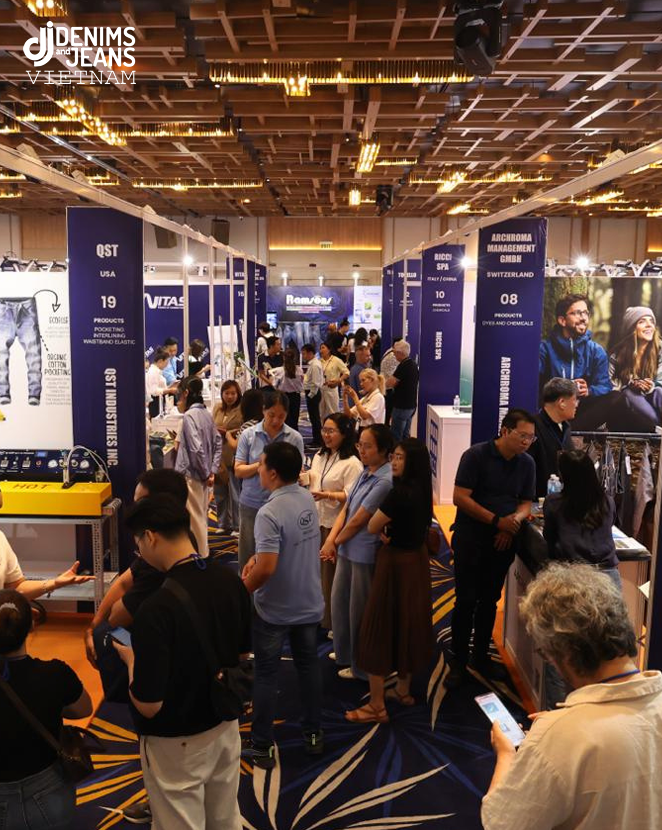
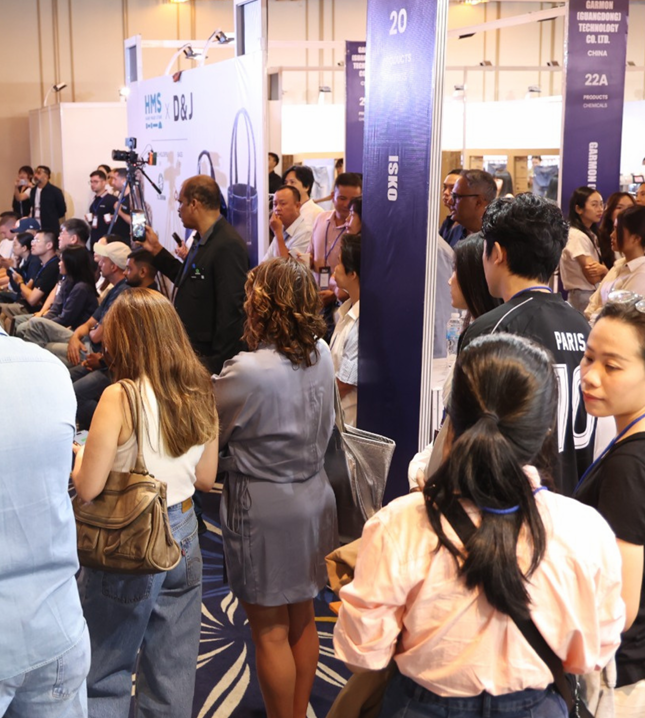
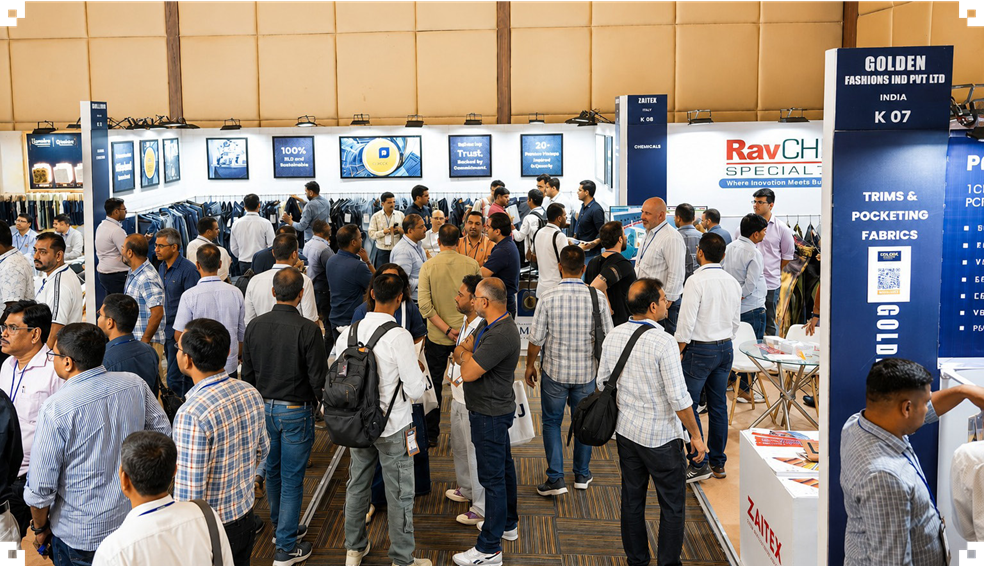
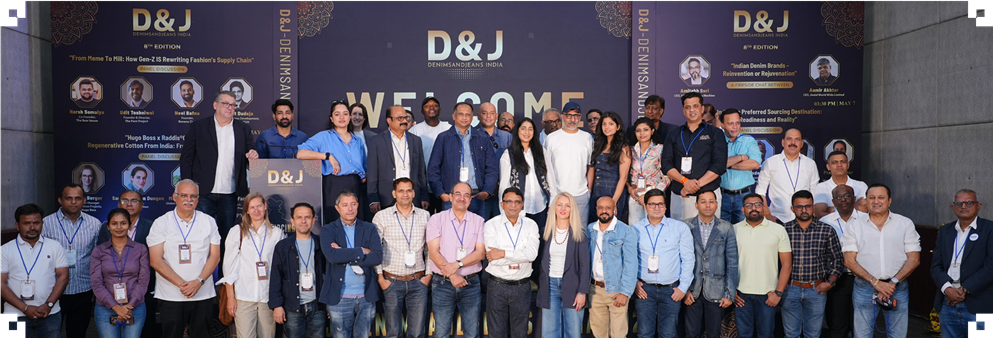
The 8th edition of D&J-Denimsandjeans India was successfully held with participation from across the denim and textile value chain, bringing together manufacturers, brands, sourcing houses, and solution providers on a single platform.

Visitor Profile

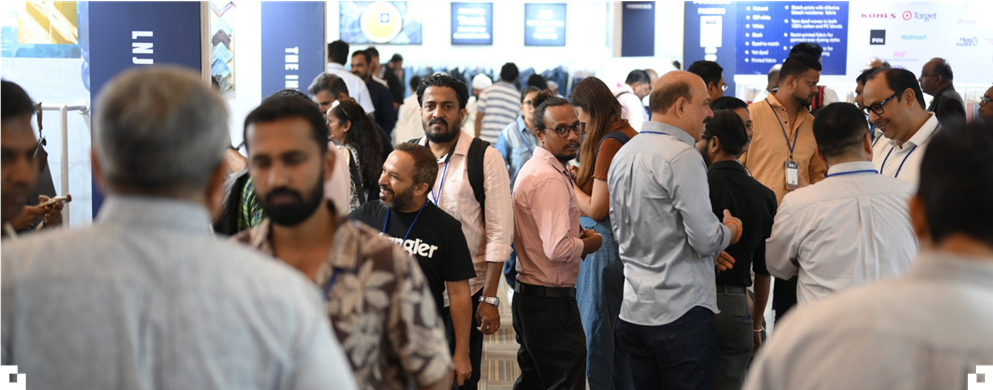
The show welcomed over 1100 visitors, including leading international and domestic brands, retailers, and sourcing companies. Notable attendees included Tshepo Jeans, Inditex, H&M, Hugo Boss, Puma, PVH, Tommy Hilfiger, Calvin Klein, Ralph Lauren, Flying Machine, Levi’s, Target, Myntra, Amazon, The Pant Project, The Bear House, Banana Club, Bestseller, Rare Rabbit, Trends, Zudio, Lifestyle, Aditya Birla Group, All We Wear Group, Texport, Dynawash (Sri Lanka), along with several other buying houses and industry professionals.

The visitor mix reflected strong representation from design, sourcing, product development, and sustainability teams.

40+
Exhibitors
Denim Fabric, Garment Manufacturers, Accessory, Chemical, Laundry And Technology

10+
Countries
India, Italy, Austria, Republic of San Marino, USA, Singapore, Spain, Turkey, South Korea etc.

2000+
Visitors
Decision Makers From Top Denim Brands, Retailer, Buying House, Factory And Traders

5+
Seminar, Workshop,Talk
International Experts Who Spoke On The Latest Trend, Innovation, Sustainability And Technology

Exhibitor Overview

The exhibition featured a diverse group of companies across fibers, fabrics, garments, chemicals, trims, and technology.

Key Participants Included:
• Arvind Limited, Nandan Denim, Jindal Worldwide, LNJ Denim, Oswal Denim, Ginni International, Maruti Denim, Suryalakshmi, Syama Denims
• Reliance Industries, Birla Cellulose, Lenzing, LYCRA, Hyosung
• Tonello, Officina39, Brongo, Ramsons, Yilmak Makina, Vertex Technology
• Aadi Sustainability Solutions, Anubha Industries, Shakti Arts, Indaco Jeans, Ultra Denim
• Zaitex / Ravchem, Panam Biochem, SF Dyes
• Golden Fashion, Khyaati Leather, Fashion Accessories, Copen United
The exhibitor mix (40 companies) ensured representation across the full supply chain, from raw materials to finished garments and processing technologies.

Knowledge Sessions & Panels

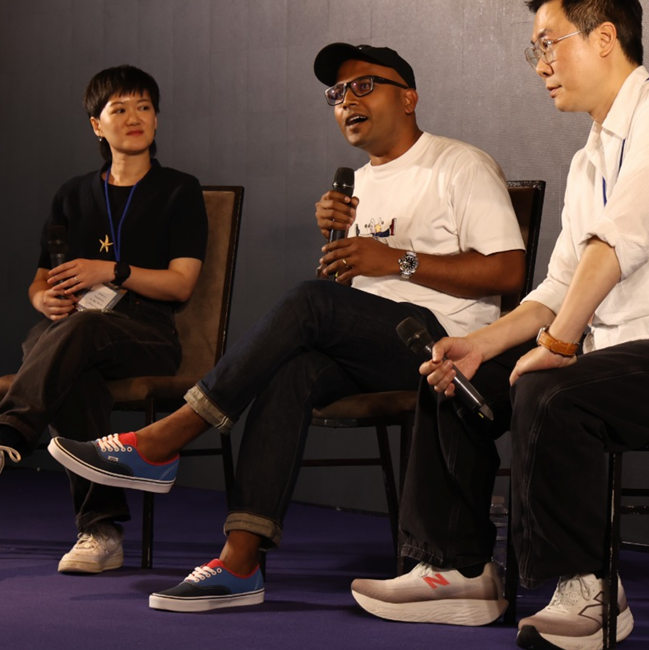
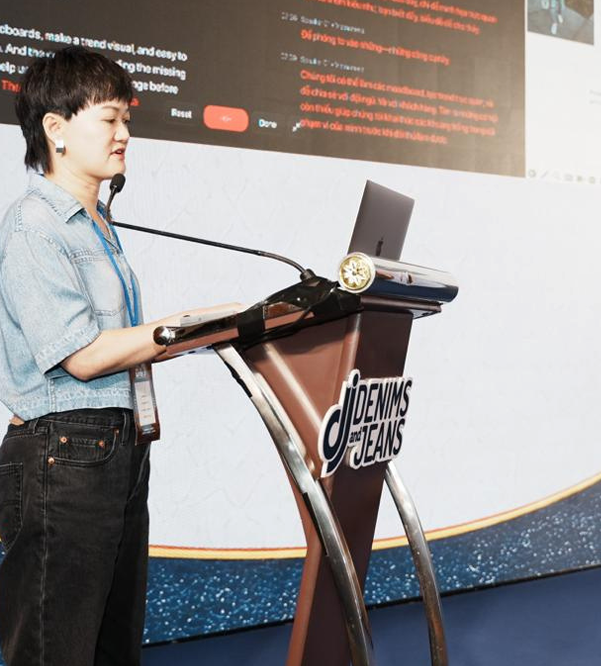
The event featured a series of panel discussions, talks, and presentations addressing key industry themes across sourcing, sustainability, innovation, and market evolution.

From Meme to Mill: How Gen-Z Is Rewriting Fashion’s Supply Chain

Regenerative Cotton from India: From Farm To Fashion (Hugo Boss x Raddis®Cotton)

Rethinking Denim Texture: Innovation Starts At The Fiber

Indian Denim Brands – Reinvention Or Rejuvenation

Making India the Preferred Sourcing Destination: Vision, Readiness & Reality

From Process To Purpose – Where Technology Meets Sustainable Chemistry

Trend Area (WGSN) – A/W 27/28 Forecast

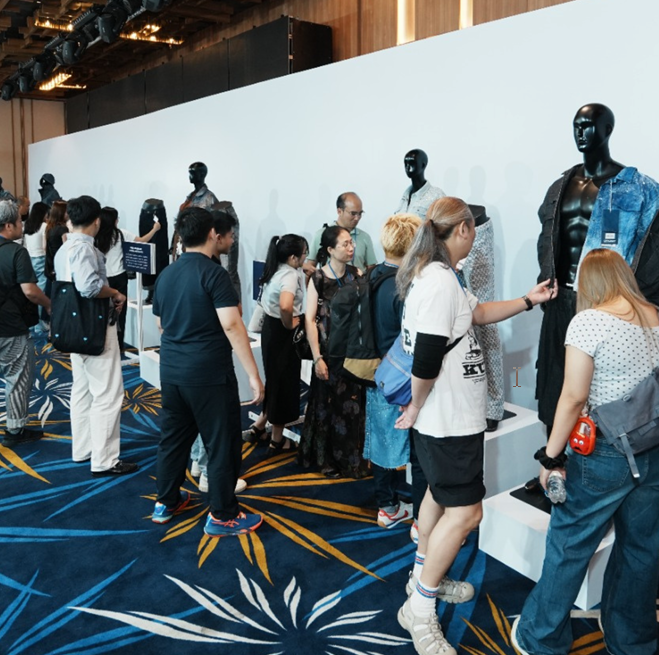
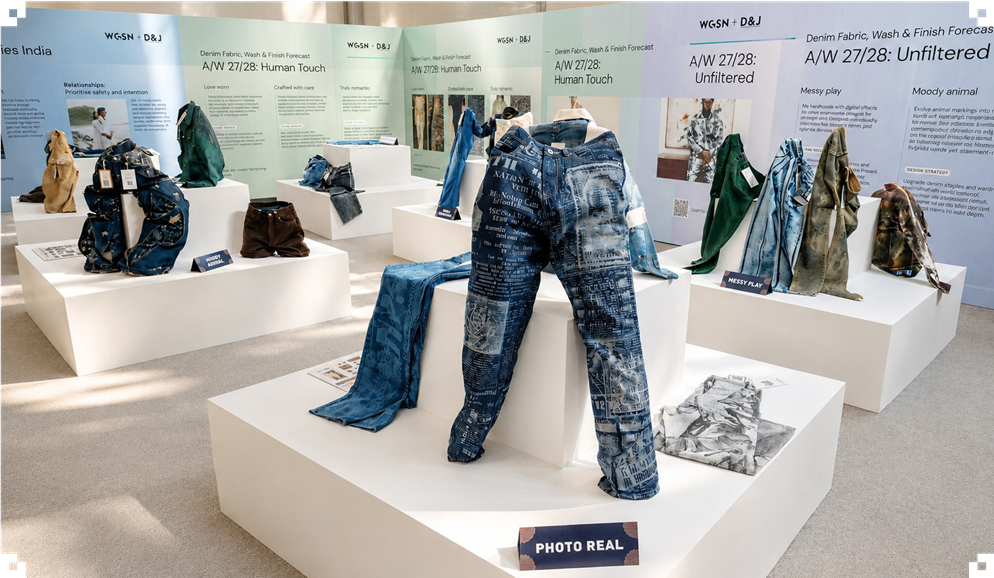
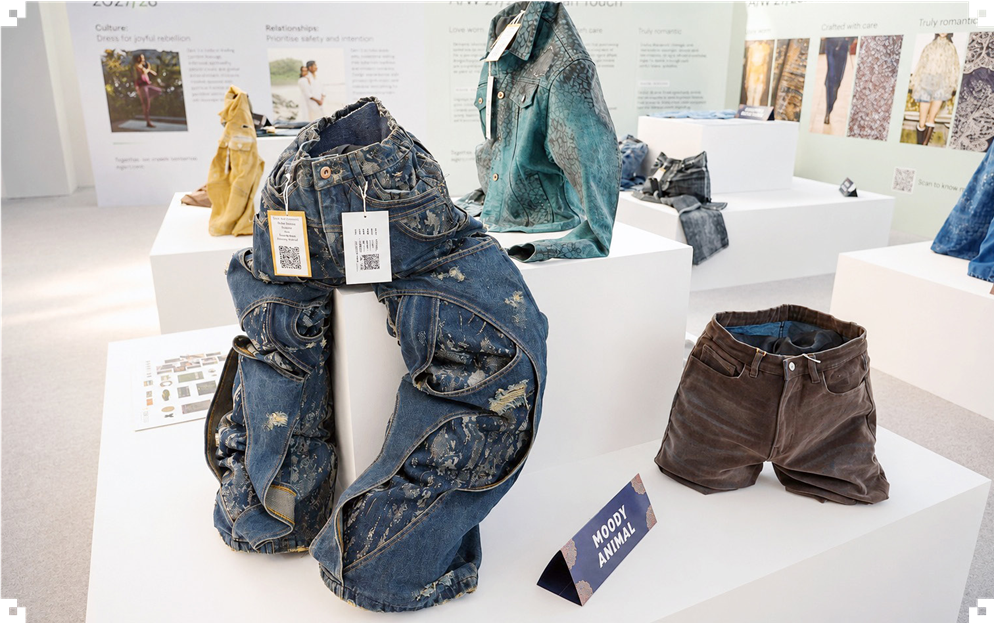
The Trend Area, curated in collaboration with WGSN, showcased key A/W 27/28 Denim Fabric, Wash & Finish Forecasts across two core directions: Unfiltered and Human Touch. The display translated global trend insights into practical design, material, and finish innovations for the denim industry.

A/W 27/28: Unfiltered
• Love Worn – Blue Fingers
Focused on aged, worn, and repaired aesthetics, positioning imperfections as a new status symbol. Key directions included weathered finishes, rust and pigment treatments, and visible mending, supported by sustainable materials such as recycled and regenerative cotton blends

• Crafted With Care
Highlighted construction-led design, with colourful threads becoming a defining feature. Emphasis was placed on sustainable sourcing, non-tradi-tional stitching details, and circular solutions such as dissolvable threads for improved recyclability.

• Truly Romantic
Introduced a softer, decorative approach to denim through lace, florals, and layered techniques. Lightweight blends and upcycled materials supported a feminine, occasionwear-inspired direction.

A/W 27/28: Human Touch
• Messy Play
Explored expressive, artistic finishes combining handmade and digital techniques. Key elements included bleach effects, pigment applications, and DIY-inspired customization.
• Moody Animal
Reinterpreted animal patterns in tonal, textured forms suited for winter, using techniques such as laser, jacquards, and coated finishes across darker colour palettes.
• Photo Real
Focused on bold, photorealistic and graphic prints, incorporating digital printing and layered surface techniques to create statement, narrative-driv-en denim.
Overall, the Trend Area emphasized a shift toward authenticity, craftsmanship, and expressive surface design, supported by sustainable materials and innovative finishing techniques.

Workshops & Engagement Activities

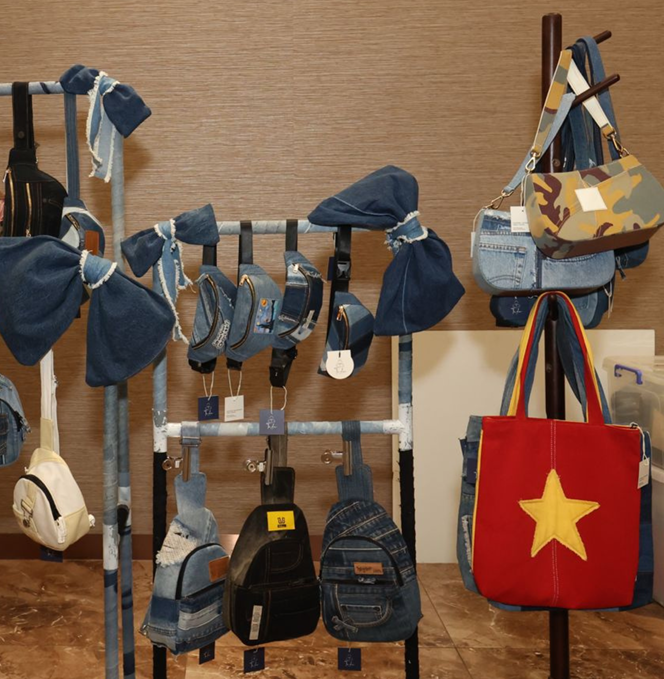
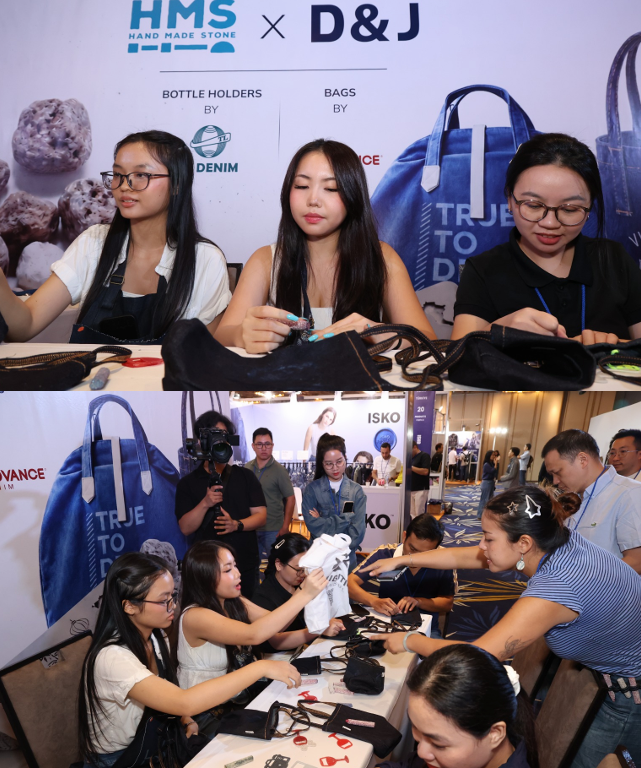
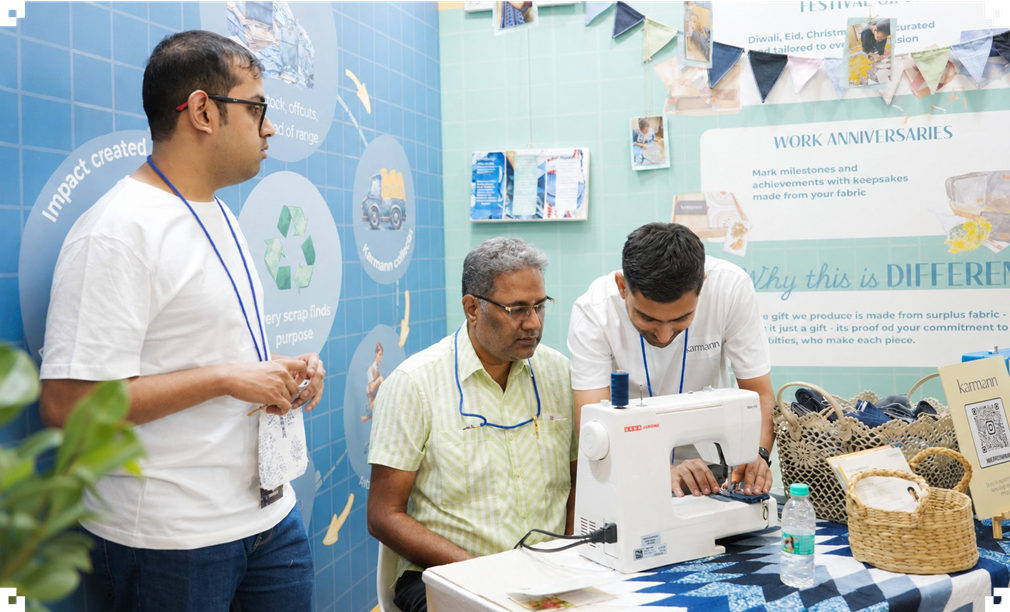
A sustainability-focused workshop by Karmann explored upcycling through hands-on activities using fabric scraps.
A key highlight was the inclusion of handcrafted keychains made by specially-abled artisans, bringing attention to inclusive craftsmanship and the value of their skill and creativity within the design ecosystem.
Participants engaged in simple stitching techniques and created small upcycled products, while the session also reinforced the importance of circular design and responsible material use
Conclusion
The 8th edition of Denimsandjeans India continued to serve as a focused platform for business interaction, knowledge exchange, and industry networking. The participation of key global and domestic players reflects ongoing interest in India as a sourcing destination and innovation hub for denim and related segments.

DENIM and PATCHES sourced this post originally published on this site

Filed Under: Blog

Why Three Pairs of Spanx Jeans Might Be Enough to Replace All the Bottoms in Your Closet

April 2, 2026 by DENIMandPATCHES

Why Three Pairs of Spanx Jeans Might Be Enough to Replace All the Bottoms in Your Closet

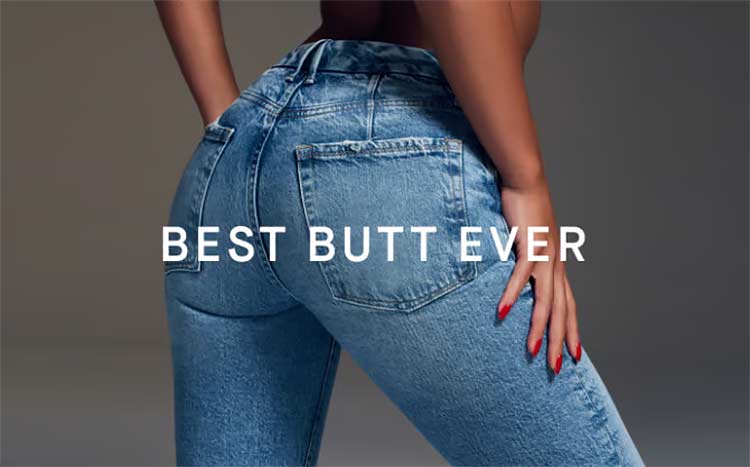
Why Three Pairs of Spanx Jeans Might Be Enough to Replace All the Bottoms in Your Closet Modern fashion seems to be moving away from going overboard and more toward dressing with purpose. Rather than keeping lots of bottoms that barely ever get worn, many women are starting to go…

DENIM and PATCHES sourced this post originally published on this site
Filed Under: Blog

Denim Without Limits: Find the Softest, Most Flexible Fits for Your Everyday Life

March 30, 2026 by DENIMandPATCHES

Denim Without Limits: Find the Softest, Most Flexible Fits for Your Everyday Life

Denim Without Limits: Find the Softest, Most Flexible Fits for Your Everyday Life Denim is a classic in any wardrobe, appreciated for its universal appeal, as we all know. SHEIN jeans have become a global fashion symbol, whether you might be wearing them for casual weekend wear or rocking a…

DENIM and PATCHES sourced this post originally published on this site
Filed Under: Blog

Why Heavyweight Denim Is Popular Among Motorcycle Riders

February 12, 2026 by DENIMandPATCHES

Why Heavyweight Denim Is Popular Among Motorcycle Riders

Why Heavyweight Denim Is Popular Among Motorcycle Riders Motorcycle culture has always been shaped by a blend of freedom, craftsmanship, and practical design. From the machines themselves to the gear riders choose, every detail reflects a balance between personal style and real-world performance. Of all the fabrics that have endured…

DENIM and PATCHES sourced this post originally published on this site

Filed Under: Blog

  • « Go to Previous Page
  • Page 1
  • Interim pages omitted …
  • Page 3
  • Page 4
  • Page 5
  • Page 6
  • Page 7
  • Interim pages omitted …
  • Page 19
  • Go to Next Page »

Footer

Search

Tags

12 STEPS AA ALCOHOL apparel BABY BABY JACKET closth clothes comfortable custom custom embroidered CUSTOM EMBROIDERED PATCH DENIM DENIMandPATCHES DENIM JACKET denimjacket JACKET PATCH patches technology your mom

Recent

  • Charli XCX Launches Her ‘Music, Fashion, Film’ Era in Patent Peep-toe Mules
  • New Balance Revealed a New Cameron Brink Collection During WNBA All-Star Weekend and It’s Coming Out Soon
  • Levi’s® x Sky High Farm Goods Campaign
  • Loose Threads: Paige Launches Handbags, Wrangler Plans Texas Flagship and More
  • Get the Order Right: How to Build a Raw Denim Wardrobe

Shopping

  • Shop DENIMandPATCHES
  • Terms & Conditions
  • Return Policy
  • Your Privacy
  • we sell DENIM and PATCHES
  • Funny
  • Mature
  • Wholesome
  • Cart
  • How To

Copyright © 2026 · DENIMandPATCHES.