• Skip to main content
  • Skip to footer

DENIMandPATCHES

we sell DENIM and PATCHES

  • Home
  • About
  • Blog
  • Gallery
  • How To
  • Cart
    • Checkout
    • My account
  • Contact

Blog

Coach Spring 2026 – Destructed Neutrals

February 17, 2026 by DENIMandPATCHES

denim jacket

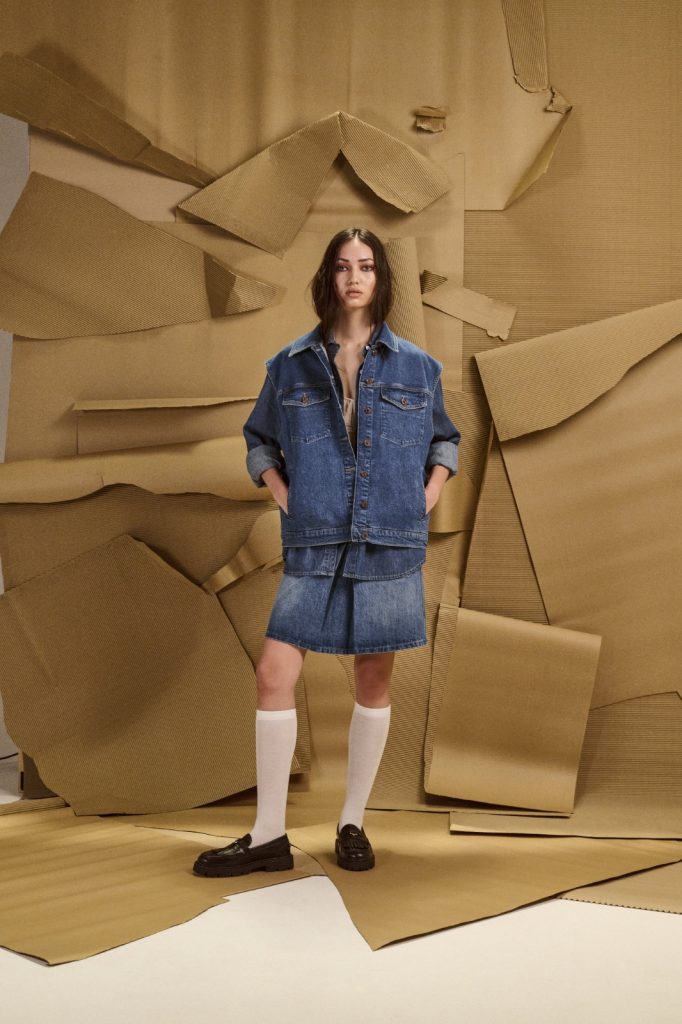
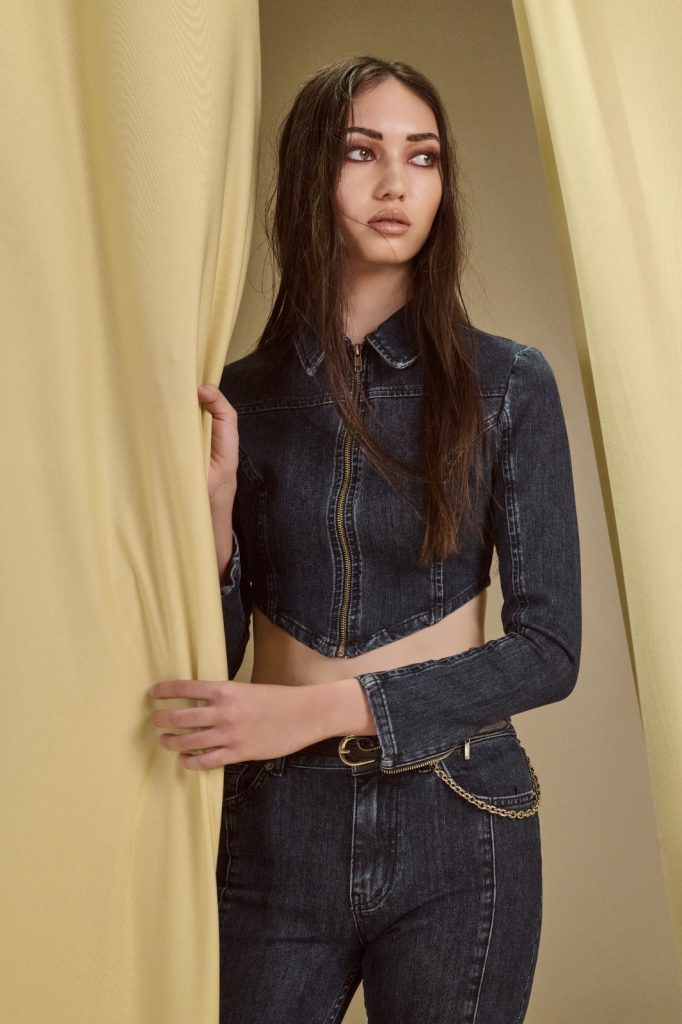
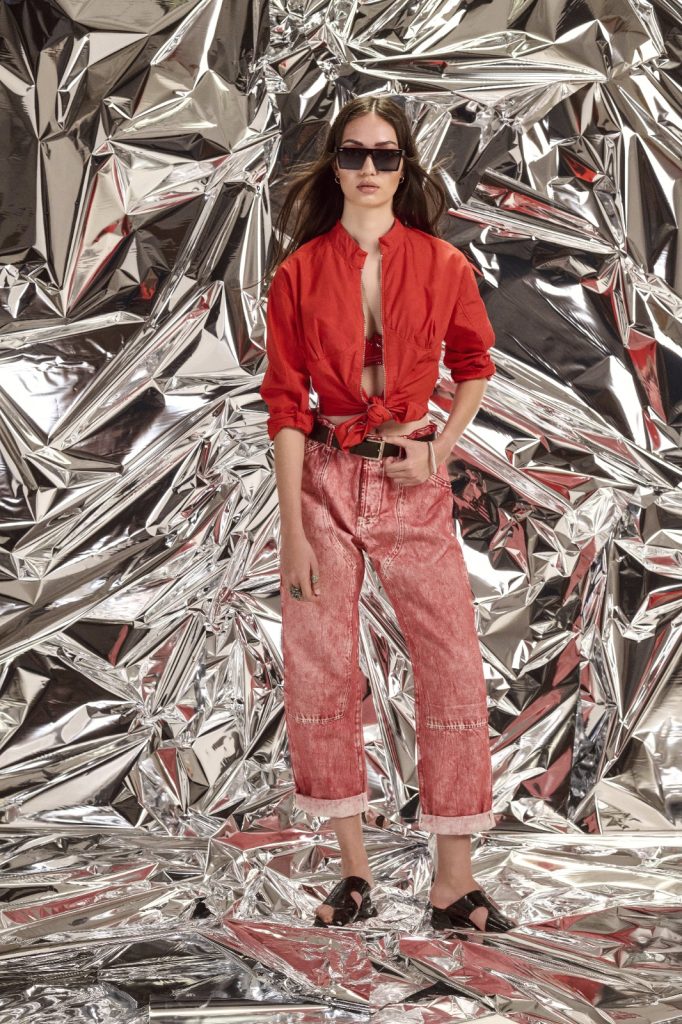
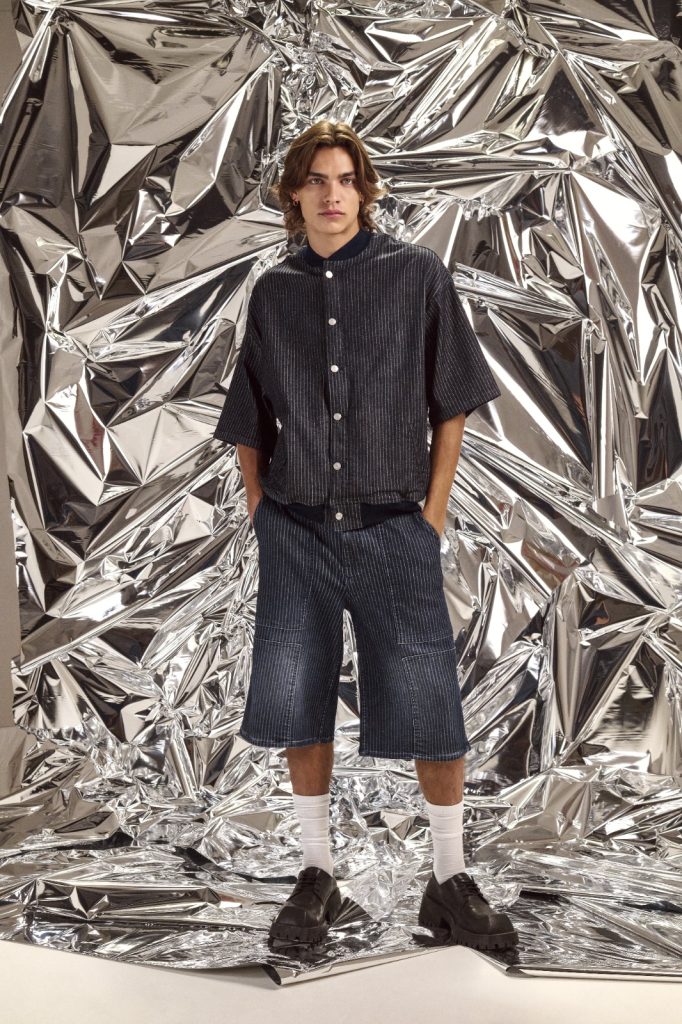
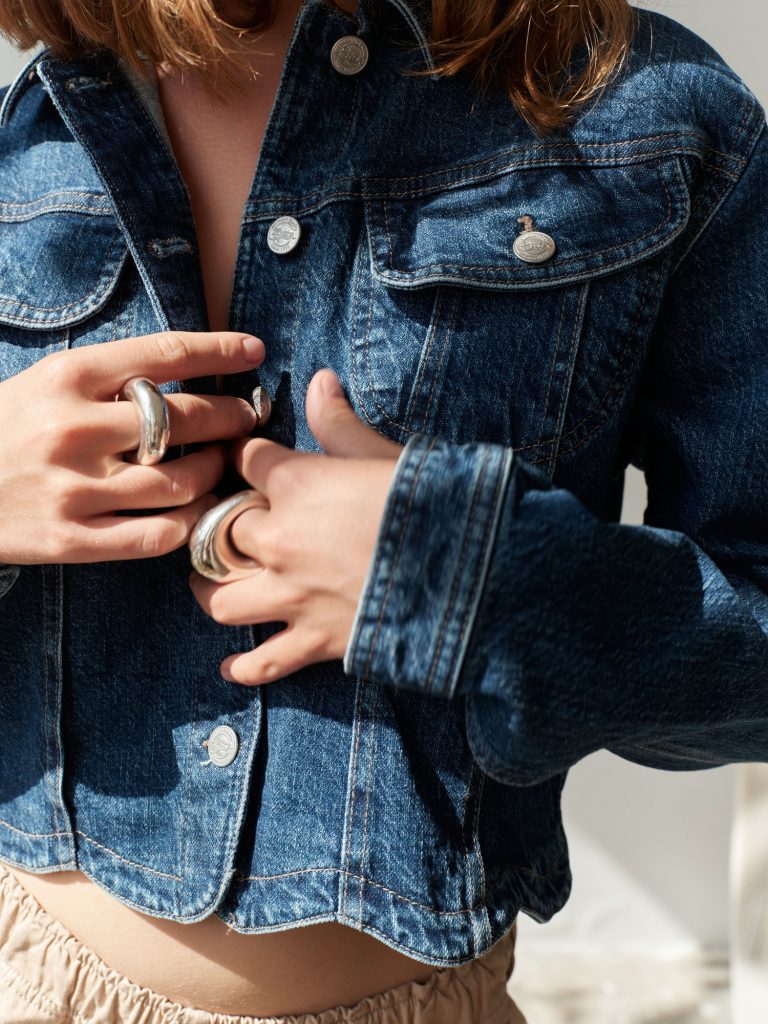
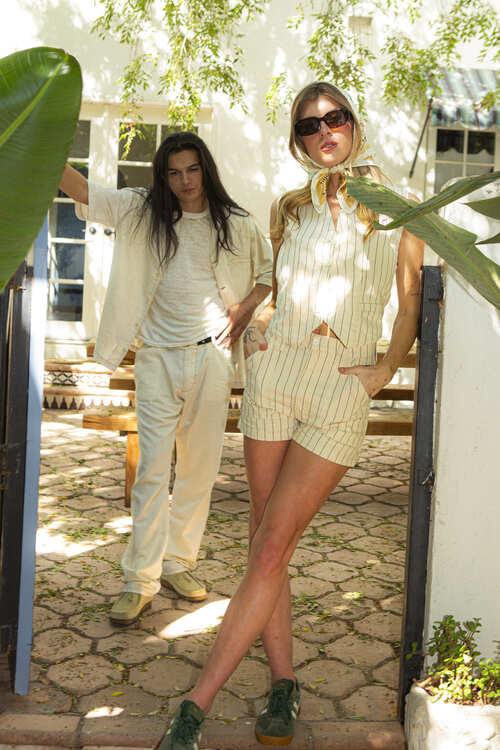
The Coach Spring 2026 collection featured oversized jeans and workwear pieces made from repurposed denim, grounding the show with a rugged, lived-in feel that balanced Coach’s mix of polish and city grit.

workwear

Creative director, Stuart Vevers, framed the collection as a blend of urban grit and refined polish with denim as one of the anchors linking street style credibility to high-end design.

“For Spring 2026 I thought about a delicate balance of polish and shine with grit, a pairing I think of as very New York. And by grit, I mean resilience, and the beauty of how the city comes back to life every morning. The glamour of the steel and glass made more beautiful by the bleaching sunlight, the patina of time, and the buff and burnish of life in our shared city,” comments Vevers.

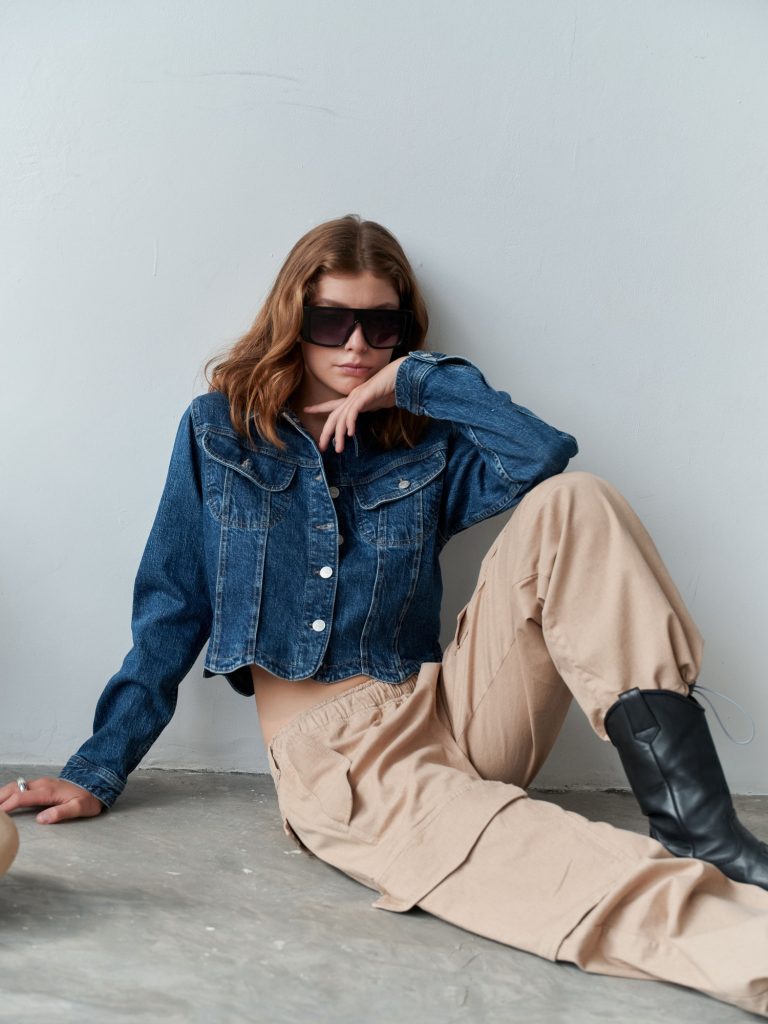
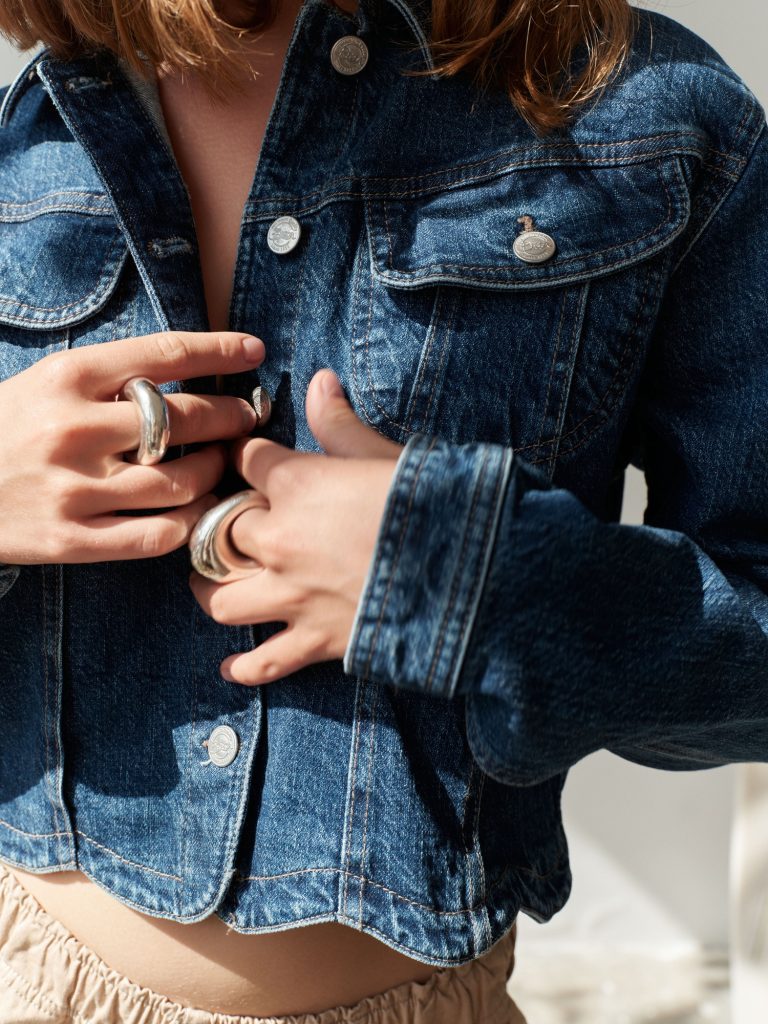
Denim appeared alongside washed and sun-faded wardrobe staples including like trucker jackets, baggy jeans, and relaxed silhouettes – signaling a fusion of street-style ease with luxury tailoring

The one thing – besides denim – which got our immediate attention was Coach’s emphasis on the neutrals. Oversizesd and destructed jeans in white and washed out bege colors were very present in their Spring 2026 collection.

neutral
denim
jeans

Accessories introduced new interpretations of the house’s Kisslock hardware with bags such as the Kisslock Barrel Bag, Bleecker Bucket Bag, and Tabby clutch appearing in multiple materials and finishes.

The footwear line included updated Soho Sneakers with straps, workwear boots, and lace-up flats. Jewelry designs drew from Victorian-inspired motifs with lockets, tokens, and heart-shaped pieces.

You can shop for the Coach Spring 2026 collection on their website, at Nordstrom, and at Farfetch.

The post Coach Spring 2026 – Destructed Neutrals first appeared on Denimology.

DENIM and PATCHES sourced this post originally published on this site

Filed Under: Blog

Bootcut Jeans: Time to Reconsider the Flare?

February 13, 2026 by DENIMandPATCHES

Redcast x Momotaro Jeans, A Quick Guide to Bootcut Jeans, and a Brand Looking to Scale

I’m still in Italy as I type this, soaking up the last rays of Alpine sun and the majestic mountain views while I’m gliding down the perfectly prepped slopes.

My laptop has been closed since I left Denmark last Friday. I only opened it early Thursday morning—while the family was still asleep—to write this issue that includes a few interesting things that landed in my inbox this week.

In This Issue of the DH Weekly:

  • A new, highly limited Redcast x Momotaro collaboration
  • A long-overdue (but quick) guide to bootcut jeans
  • A refreshed high-rise jeans guide
  • A well-established European brand exploring new ownership

Redcast x Momotaro “Wabi-Sabi” Collab Jeans

Redcast Heritage and Momotaro have released a highly limited collaboration jean—just 200 individually numbered pairs—built around a fabric Momotaro has never produced before: a sanforized indigo warp x Kakishibu weft selvedge.

The 15.7 oz. denim is woven at high tension from Zimbabwe cotton. The warp is pure indigo rope-dyed, while the weft uses traditional Japanese Kakishibu (persimmon) dye. Unlike heavily textured fabrics, this one is intentionally smooth and structured.

The jeans are cut in Momotaro’s new #100 straight fit—a high-rise, balanced silhouette with room up top and a clean leg from the knee down.

Details stay restrained: a custom peach–brown–peach selvedge ID, revived matte copper hardware, Kasuri waistband lining, and individual numbering.

SHOP THESE COLLAB JEANS HERE

A Quick Guide to Bootcut Jeans

I’ve never written a guide to bootcuts here on Denimhunters. Not because they’re irrelevant, simply because they’ve never been part of my own rotation.

When I got into denim in the mid-2000s, slim fits were everywhere—think Hedi Slimane’s Dior era and Pete Doherty looks. But bootcuts and even flares also had a moment in those years—it’s where Nudie started. Still, the silhouette tended to live closer to rodeo arenas than in the hardcore raw denim scene.

Nudie’s Glenn fit is flare and one of their first fits. It was reintroduced a few years ago.

Bootcut is a leg shape—like straight and tapered. As I explain in my fit guide, leg shape comes down to the relationship between thigh, knee, and leg opening.

Straight legs have the same width from knee to hem. Tapered legs narrow. A bootcut is essentially the opposite of a tapered—it opens (slightly) from the knee down.

Bootcut vs. Flare: What’s the Difference?

Both widen from the knee down. The difference is how much—and why.

Bootcut

  • Hem is only slightly wider than the knee
  • Designed to fit over boots (functional origin)
  • Rooted in Western workwear

Flare (Bell-Bottom)

  • Hem is significantly wider than the knee
  • Primarily stylistic rather than functional
  • Associated with 1970s fashion and disco

Over the years, several of you have asked for a guide to bootcuts. And if you’ve gone looking elsewhere, chances are you’ve landed on Heddels.

In 2018, Albert Muzquiz published an Op-Ed defending the bootcut. In 2019, they followed it up with a practical buyer’s guide—reshared in their newsletter this week—which includes these options:

Bootcut Jeans Worth Checking Out

  • Brave Star Selvage Mojave Western Cut – Low-to-mid rise with a subtle flare, available in various raw selvedge fabrics.
  • Freenote Cloth Wilkes – High rise with a subtle Western-style flare in 14.5 oz. Kaihara selvedge.
  • Indigofera Wyatt – High rise and gentle flare in 14 oz. broken twill, available raw and rinsed.
  • Sugar Cane 14 oz Boot Cut – Mid-to-high rise and classic Western cues in 14 oz. Japanese denim.
  • Nudie Jeans Slim Jim Dry Streaky – Mid rise with a very gentle bootcut
  • RRL Boot Cut – 16 oz. Japanese selvedge with a lower rise and a more pronounced flare.
  • Fullcount 1120W Boots Cut – 13.7 oz. Zimbabwe cotton with a mid-to-high rise and classic proportions.

More options if you want to dig deeper:

  • Samurai S512BC19oz Boots Cut – 19 oz. selvedge with heavyweight character and a low-to-mid rise.
  • Naked & Famous Groovy Guy – 12.5 oz. natural indigo selvedge with a more pronounced flare.
  • Kojima Genes RNB-102B – 15 oz. raw selvedge with a mid-to-high rise and classic zip-fly proportions.
  • Levi’s 517 – Mid-to-high rise with the archetypal bootcut shape in rigid non-selvedge denim.
  • Wrangler 13MWZ Selvedge – Mid-rise and classic Western flare in broken twill selvedge.

If you’re after the original blueprint, vintage Wranglers still set the standard—but that’s another rabbit hole.

And if you’d like me to build a full, from-scratch Denimhunters guide to bootcut jeans—covering proportions, styling, and who they actually suit—let me know. I’ll add it to my list.


Want Stories Like This In Your Inbox?

I also send these weekly updates as emails. If you want them directly in your inbox—along with links, updates, and things I’m working on—you can sign up here:


High-Rise Jeans Guide, Refreshed

While we’re on the subject of silhouettes, Bryan has recently updated our guide to high-rise selvedge jeans.

If you’ve mostly worn mid- or low-rise pairs—as many of us have over the past couple of decades—a proper high rise can be surprisingly transformative. It changes proportions. It works better with tucked shirts. And for a lot of body types, it simply looks more balanced.

The guide now reflects current availability and includes a broad mix of classic repro cuts and more modern interpretations. If you’re curious about going higher on the waist, it’s a good place to start.

Find the updated high-rise guide here.


A European Denim Brand Seeking New Ownership

One more thing that landed in my inbox this week:

I’ve been in dialogue with a well-established European brand in our scene that is currently exploring new ownership. The foundation is solid—recognisable name, loyal customer base, and ambition to scale further than the current setup allows.

I can’t share names or details publicly. But if you’ve been looking for an entry point into the denim space—not to start from scratch, but to build on something that already exists—this may be worth a conversation.

If that sounds relevant, reach out via the contact form and tell me a bit about your background.

The post Bootcut Jeans: Time to Reconsider the Flare? appeared first on Denimhunters.

DENIM and PATCHES sourced this post originally published on this site

Filed Under: Blog

Why Heavyweight Denim Is Popular Among Motorcycle Riders

February 12, 2026 by DENIMandPATCHES

Why Heavyweight Denim Is Popular Among Motorcycle Riders

Why Heavyweight Denim Is Popular Among Motorcycle Riders Motorcycle culture has always been shaped by a blend of freedom, craftsmanship, and practical design. From the machines themselves to the gear riders choose, every detail reflects a balance between personal style and real-world performance. Of all the fabrics that have endured…

DENIM and PATCHES sourced this post originally published on this site

Filed Under: Blog

You Probably Didn’t Expect This Heavyweight Brand in Stores

February 6, 2026 by DENIMandPATCHES

In This Issue: SOSO at Cultizm, Bluezone SS27, Train Dreams, and Sweaters

The past few weeks have moved quickly here at DH HQ, which makes this a slightly unusual moment to slow things down. But that’s exactly what I’m about to do—clear the schedule for one of the highlights of the year, the annual family ski holiday.

After some good years in Norway, where the kids got comfortable on skis, we’re heading back to Italy. Back to the Dolomites, where I learned to ski myself, and to a place that still feels like familiar ground.

Because I check out and hit the road with the car fully loaded, here’s a recap of what’s new and worth flagging right now.

This is the fifth issue of the DH Weekly, which I also send as emails. If you want updates like this one directly in your inbox, you can sign up here:


SOSOBROTHERS Enters Retail with Cultizm

For the first time since launching in 2010, heavyweight Swedish denim label SOSOBROTHERS is being stocked by a retailer. Cultizm becomes the brand’s first wholesale partner worldwide, marking a clear shift from its long-standing direct-to-consumer model.

Until now, the brand has built its reputation through custom orders and a tightly knit community of wearers, centred on some of the most uncompromising denim on the market.

Moving into retail changes both access and scale—and makes it easier for people to experience the work without going the custom route.

Cultizm’s initial selection leans fully into the heavy end of the spectrum, led by the 33 oz. selvedge used for the “Breaker of Legs” jeans and the “Breaker of Arms” jacket.

Woven from long-staple Australian cotton on vintage shuttle looms, it’s rigid, slubby, and deliberately unforgiving. The line-up also includes the 20 oz. Ghost Selvedge, a slightly more wearable heavyweight option that still rewards long-term wear.

For a brand that has always done things its own way, this move into retail is a notable change—and one worth paying attention to.

SHOP AT SOSO
SHOP AT CULTIZM

What Wouter Saw at Bluezone SS27

Bluezone has wrapped its Spring/Summer 2027 edition in Munich, once again running alongside Munich Fabric Start and giving a useful snapshot of where denim sourcing and development is heading.

This season’s recap comes with the help of Wouter Munnichs of Long John, who reports on a show that continues to evolve rather than reinvent itself—steady footfall, cautious but engaged exhibitors, and a clear sense that brands are still navigating a market shaped as much by restraint as by ambition. Sustainability, circularity, and material innovation remain central, but with a noticeably more pragmatic tone than in previous years.

If you’re interested in how mills and manufacturers are positioning themselves right now—and what that says about the near future of denim—the full Bluezone SS27 recap is worth your time.

READ THE RECAP OF BLUEZONE SS27

The Story Behind the Costumes of Train Dreams

Few recent films have captured the texture and reality of early-20th-century workwear as convincingly as Train Dreams. Adapted from Denis Johnson’s novella and led by a quietly powerful performance from Joel Edgerton, the film lives and breathes through its details—faded denim, worn boots, work jackets, clothes that look like they’ve been lived in for decades.

Train Dreams. Joel Edgerton as Robert Grainier in Train Dreams. Cr. BBP Train Dreams. LLC. © 2025.

In an interview we published this week, Bryan speaks with the film’s costume designer, Malgosia Turzanska, about the research, sourcing, and ageing techniques behind the wardrobe. From collaborating with White’s Boots to studying archival photographs of loggers and railroad workers, she walks through how the costumes were built, broken in, and used to show the passage of time on screen.

If you care about heritage workwear, material honesty, and how clothing can quietly carry a story, this conversation is well worth reading.

READ THE TRAIN DREAMS INTERVIEW

Fisherman’s Sweaters Guide, Revisited

Bryan’s gone back into our fisherman’s sweater guide and given it a proper update. Originally published in early 2023, it’s been refreshed with current availability, a few adjustments, and the same deep dive into why these sweaters have lasted as long as they have.

If you’ve used the guide before, it’s worth another look. And if heavy knitwear is still doing real work in your rotation, this remains one of the most useful overviews we’ve put together.

FIND A SWEATER HERE

The post You Probably Didn’t Expect This Heavyweight Brand in Stores appeared first on Denimhunters.

DENIM and PATCHES sourced this post originally published on this site

Filed Under: Blog

Show Recap: Pleasure in Progress at Bluezone SS27

February 5, 2026 by DENIMandPATCHES

This article is sponsored by Bluezone, the trade show for denim by Munich Fabric Start. Register to visit here!

Wouter Munnichs Reports from Bluezone: What the Mood, the Move, and the Makers Revealed

Trade shows have always played an essential role in the clothing industry—bringing people together, connecting makers with buyers, giving brands and makers a platform and voice. But the relevance and role of trade shows have been questioned for years now; I’ve seen that shift unfold ever since I first started going back in the late 2000s.

This year marks a decade since I first visited Bluezone in Munich. I haven’t made it to every edition since, but I’ve seen the show evolve—especially over the past year, as it’s become fully integrated into Munich Fabric Start.

For the recent SS27 edition in January, I wasn’t able to visit myself—because I was busy showing my own brand at its first-ever trade show in Copenhagen. So I called in a favour; my longtime friend and fellow denim blogger, Wouter Munnichs from Long John, kindly acted as my eyes and ears on the ground in Munich. 

What follows is a recap drawn from Wouter’s impressions of the show.


What the Mood on the Floor Revealed

According to Wouter, the vibe in Hall 2 was great. The integration with the broader MFS show continues to pay off—visitors didn’t just stay in their usual lanes. They flowed between halls, including Bluezone, and that gave denim exhibitors more chances to engage. 

Traffic was consistent. And importantly, it seems the right kind of visitors found their way to the denim hall. Exhibitors were doing actual business. That doesn’t happen by accident. 

As Wouter points out, many likely pre-scheduled meetings and personally invited key clients. But the layout helped too. There was plenty of organic foot traffic from visitors who wouldn’t normally be deep in the denim hall. And that’s one of the major benefits of being fully integrated into the larger show: Bluezone is no longer a destination—it’s part of the route.

The new placement of the Trend Zone, now relocated to the foyer, seems to have been another smart move. Wouter tells me it caught attention immediately, with lots of visitors stopping to take photos. It’s clear that positioning innovation up front helps communicate that Bluezone isn’t just about jeans and mills, it’s about what comes next.


What Exhibitors Were Showing (and Saying)

No surprise here: sustainability was everywhere. But not just in the usual sense. 

What stood out to Wouter were the technical improvements—specifically in printing—and how they’re finally starting to look retail-ready. The conversation around recyclability is also maturing. More mills are offering rigid, stretch-free fabrics that align with both the shift to looser fits and circular design logic.

The pleasure theme isn’t something people were openly talking about on the floor—but Wouter too saw it as doing exactly what a campaign should: stopping people in their tracks and adding a sense of boldness and freshness to the show’s identity.

On the sourcing side, most exhibitors seemed satisfied. The right buyers came, and many seemed eager to engage. Wouter described a mix of small and large brands visiting booths—and importantly, they weren’t just kicking tires. 

The feedback he heard suggested that Bluezone continues to attract the kind of audience that wants to touch, feel, and understand the fabrics. That’s still a crucial step in the decision-making process, even in a post-Zoom world.


What’s Changing (and What Comes Next)

There was some quiet optimism about the calendar shift. Starting next season, the summer edition of Bluezone will move up a few weeks to mid-July. That’s a bold move—and a risky one for anyone with kids on school holiday. But many exhibitors apparently see it as positive. The hope is that it’ll give them more time to respond to what they see and hear before locking in collection development.

It’s not yet clear how this new slot will affect attendance. But if the last two shows have proven anything, it’s that Bluezone knows how to evolve. The full integration into MFS, the repositioning of the trend content, and the continued strength of the exhibitor list are all signs of a show that’s adapting to the needs of the moment.

Whether or not that will be enough to pull more visitors in July remains to be seen. But if the strategy is to position Bluezone as a serious, future-focused denim hub—and not just a place to shake hands with your existing customers—then it’s headed in the right direction.


Looking Ahead to the Next Edition in July

With two integrated editions under its belt, Bluezone has settled into its new home. The next show is scheduled for July 14–16. It’s a shift that makes sense for production cycles, but it does clash a bit with summer holidays in Northern Europe.

That said, if the show keeps delivering the right mix of inspiration, connection, and commercial relevance, people will make it work. I certainly intend to, because whether you’re showing or sourcing, Bluezone is becoming harder to skip.

Keep Track of What I’m Working On

I’m Thomas, founder of Denimhunters. Once a week, I send an email with what I’m working on and writing—new guides, deals, and things worth paying attention to.

GET MY EMAILS

The post Show Recap: Pleasure in Progress at Bluezone SS27 appeared first on Denimhunters.

DENIM and PATCHES sourced this post originally published on this site

Filed Under: Blog

Big-Screen Workwear: Train Dreams and Its Period Costumes

February 3, 2026 by DENIMandPATCHES

Interview with the Oscar-Nominated Costume Designer of Train Dreams, Malgosia Turzanska

Late last year, while scrolling through Netflix, I noticed a familiar title. Train Dreams, starring Joel Edgerton, was adapted from Denis Johnson’s novella of the same name—a 120-page book that I read in a single sitting a few years ago.

Photo: Netflix

The story traces the life of Robert Grainier, a logger and railroad worker who moves through the rapidly changing world of the American Pacific Northwest in the first half of the twentieth century. Haunting and poignant, the novella struck a chord deep inside of me, so the film had big boots to fill. Boy, did it ever fill them.

Easily the best film of the year, Train Dreams has been nominated for more than 150 awards, winning 21 of them at last count. It received four Oscar nominations, including best picture and best adapted screenplay. 

The acting, cinematography, and music are all exceptional, but what struck me most was the costuming. I can’t remember ever seeing a movie that was as deeply steeped in the world of heritage workwear as this one.

Joel Edgerton as Robert Grainier in Train Dreams. Cr. BBP Train Dreams. LLC. © 2025.

Logger boots, faded selvedge denim, worn-down henleys, and wabash chore coats–Train Dreams showcases some of our favourite rugged style essentials. Everything was so carefully selected and so perfectly aged that the film absolutely feels like a time capsule from an age we so rarely get to see on the big screen and in vibrant colour.

Immediately after watching the film, I reached out to the film’s costume designer, Malgosia Turzanska. With an impressive resume, including an Oscar nomination for her work on Hamnet and immediately recognisable work from Hell or High Water and Stranger Things, she has unique insight into the world of costume design–something I knew very little about before our conversation.

Malgosia’s sketches for Hell or High Water and Stranger Things

I messaged her, and she responded right away, volunteering to answer all of my questions. Her in-depth answers gave me a glimpse behind the curtain at the world of period costume design, and I wanted to share our conversation with all of you. I hope you find her answers as enlightening as I did. 

If you haven’t seen the film yet, you’re in for a treat. To get the most out of this interview, we highly recommend that you watch the film before reading it.


Q: First, can you introduce yourself to our readers? What is it you do, and how did you make your way into the industry?

A: Hi, my name is Malgosia Turzanska. I’m a costume designer.

I started by studying Costume Design, first at DAMU in Prague in Czechia, and then at NYU’s Tisch School of the Arts.

I began by designing student shorts, then small music videos and commercials, and gradually made my way to professional film and TV.

This year, I’ve been very lucky to have worked on two movies that have both received a considerable amount of critical attention, Train Dreams directed by Clint Bentley, and Chloé Zhao’s Hamnet.


Q: Can you tell us a little bit about your process? Where do you start on a project like Train Dreams? 

A: Whenever I work on a literary adaptation, I tend to read the source material first, but then I switch to the script and never go back.

Book adaptations can be tricky, so I want to make sure that I am respectful to the screenwriter’s vision and work from the script out, but I am always curious about that original spark.

Daniel Schaefer/BBP Train Dreams. LLC. © 2025.

I start by creating a very raw emotional response to the text—a lookbook of images (photos, art, textures, colors) that evoke something in me of the story’s context.

At that point in the process, I might not entirely understand why I’m making these choices, but I share that with the director as a starting point and to make sure that our initial understanding of the script matches. 

Then I start my research. I go as deep as possible, trying to get my hands on anything I can find relating to the topic of the film. You never know what information you might find that could change your take on the characters.

Photo: Netflix

Once I feel I am fluent in the world of the story, I start sketching and collecting fabric swatches. From there, we start putting together the film’s wardrobe. We either make. buy, or rent the costumes—usually a combination of all three.


Q: What were you most excited about conveying to the audience with your costuming choices? What stood out to you in the text that you felt costuming could help you foreground for the viewers? 

A: Train Dreams is such a special film. We travel with a mostly silent character through his entire life, which stretches over more than half a century. We witness the changing landscape of the country, both in a physical and metaphorical way.

Robert Grainier is not a leading man in a traditional sense. He is largely passive. History happens to him rather than because of him, but in that, he invites us in to be his companions on the journey.

I wanted to make sure I was deeply respectful to his character and the world he inhabited. I wanted the audience to be able to feel and smell the environment on his clothing.

The ageing needed to be absolutely believable so we can be truly convinced that he has lived and worked in the woods for years and years. Throughout all of this history, layers of dirt, sweat, and sap have built up on his costumes, as well as those of his fellow workers.

Photo: Netflix

I loved digging into the culture of the early-20th-century loggers. Looking at the photos of the workers and at the actual garments they wore was very touching. Seeing the patches, the mending, the little alterations was like witnessing history on a human scale. I wanted to make sure we feel as much of that in the film as possible.


Q: Where did your research into early twentieth-century workwear take you? Any interesting rabbit holes you fell down? 

A: So many rabbit holes! Many small-town museums have archives of incredible photos of the actual people who lived and worked in the area. These people have names, families — it made it so special. 

I loved the Avant book and magazine series, Richard L. Williams’ The Loggers, and Ralph W. Andrews’ books This Was Logging, Glory Days of Logging, and Timber: Toil and Trouble in the Big Woods. 

There was lots more–whatever I could get my hands on. Our director, Clint Bentley, Production Designer Alexandra Schaller, and I would exchange anything interesting we’d find, so we were all feeding this research fire. 


Q: Where did you source the costumes for Train Dreams? 

A: There was a huge mix of sources. We needed multiples for many reasons, so it was hard to find enough garments in one place. Our budget was way too small to make everything from scratch, but we did a lot of alterations and recut a lot of the pieces to fit in this world. 

Whites’s Boots graciously agreed to collaborate with us. In fact, all of the footwear that Joel Edgerton wears in the film is White’s. For the logging scenes, it’s the Calk Block Heel Logger Boots, and for the non-logging scenes, it’s the 350 Cruiser in Distress Roughout. 

Joel trying on his White’s Calk Loggers – Photo: Netflix

Joel absolutely loved them. We shot around Spokane, so to be able to work with a local company that has been providing logging boots to the community for more than a century felt incredibly special.

Get yourself a pair of White’s 350 Cruiser boots here.

For the other garments, it was a combination of multiple sources: LCKing, Bronson, Levi’s, Olderbest, and Frontier Classics. For shirts with the beautiful large rectangular patch pockets, we ended up buying shirts and adding the pockets on to capture that specific look. 

Q: How did you go about giving the garments that lived-in and worked-in look? What tricks do you use to distress garments? 

A: Aging and dying was a major part of this project and my favorite part of the process. It adds that magical touch that truly make the costumes a part of the world of the story. 

We used all the tricks in the book: washing, sanding, torching, overdyeing, waxing, painting — it is a combination of all of the above to make sure everything feels real. 


Q: Do you do this yourself, or are their garment-aging specialists that you work with?

A: I do a lot of it myself, because I love it and I feel I have a good understanding of what it needs to be in order to read on camera, but there are people who have built entire careers ageing clothing.

We had help for a few days, but because the budget was so tight, it was mostly on me and the core team to handle it.


Q: Can you tell us anything about the boots nailed to the tree? Was this practice something you came across in historical records?

A: Funnily enough, this was a bit of poetic license! Clint and Alexandra, our director and production designer, came up with that idea, and it hit the perfect note. I cannot imagine the film without them!

Photo: Netflix

Q: Train Dreams is a gorgeously textured piece of cinema. Were your fabric choices the result of conversations with the Director of Photography? 

Adolpho Veloso is an incredibly talented DP, and we used almost exclusively natural light in the film, which makes it feel so special. I needed to make sure the camera has something to sink its teeth into, so to speak. 

Photo: Netflix

The ageing added texture and depth to the clothing, but also the fact that everything is quite wrinkled and dimensional helps with that as well. 


Q: How did your fabric and costuming choices contribute to the overall texture of the film?

A: In terms of the colours, the most striking moment is Gladys wearing a yellow dress—I dyed it that specific yellow to make sure it pops, but is not overpowering and out of place.

Photo: Netflix

Joel’s rusty oranges and his faded denim provided a nice softness and depth.


Q: The world changes around men like Robert Grainier and Arn Peeples. How did you use costume choices to show the passage of time (or to show men like Grainier’s resistance to the flow of time)? 

A: Grainier and Arn are both part of the old world. When we see Grainier return to the cut after a while, he is surrounded by a completely changed industry.

The young men around him wear sleeker shapes, the textures become less organic, there’s less softness and depth to them. That makes Robert feel and look older and out of touch.

Photo: Netflix

Then, when he travels to the big city at the end of the film, there is another jump. He is still holding onto his woollens and corduroys, but the world around him is synthetic 1960s, with its bright colours and modern silhouettes.

It was important to me to show that contrast. He is out of place, and yet he is exactly where he needs to be, watching the world around him move. 


Q: What happens to the pieces when production wraps? Did you hold on to any of the pieces from the film? 

A: Production normally holds on to the costumes for a while in case of any reshoots, but I actually don’t know where the majority of Trains costumes ended up after that! 


Q: Finally, was there anything you learned or experienced during your work on Train Dreams that you’ll carry forward with you into future projects? 

A: I loved learning about that part of American history. I loved getting my hands dirty. I also loved seeing the role women played in this very male-focused world. 

Photo: Netflix

Gladys was my favourite character in the story. She is so brave, so resourceful, so able to fend for herself. While her husband was away, she kept the house going, hunted, grew vegetables, and raised their child. Of course, she missed her husband, but she didn’t need to be rescued. 

There was a line in the script which didn’t make it into the final cut of the film. Grainier comes home and tries to fix something, and he asks Gladys, “Where are my tools?” She replies, “These are MY tools!”


A huge thanks to Malgosia for taking so much of her time to answer all of my questions. If you are keen to learn more about her or follow her work, you can visit her website here.

Understand the Details That Matter

I’m Thomas, founder of Denimhunters. I write emails that go deeper into denim—how jeans are made, why details matter, and how to make better choices without the noise.

GET MY EMAILS

The post Big-Screen Workwear: Train Dreams and Its Period Costumes appeared first on Denimhunters.

DENIM and PATCHES sourced this post originally published on this site

Filed Under: Blog

5 Brands That Defined My Denim Story More Than Any Other

January 30, 2026 by DENIMandPATCHES

Denimhunters is reader-supported. If you buy after clicking a link on our site, we may earn a commission.

After Fifteen Years of Writing About Denim, These Are the Jeans That’ve Influenced Me the Most

I launched Denimhunters on January 30, 2011. I didn’t have a plan—just an obsession. I read From Cowboys to Catwalks on repeat and remember thinking, “If only I could one day write a book about denim.” Five years later, Blue Blooded was published. But it all started here, with a blog post like this one.

Denimhunters became the work of my life. I’ve poured more time into this than anything else I’ve ever done. The feedback from readers, the reputation it’s earned me, the continued love from Google—that’s all something I’m incredibly thankful for. And incredibly proud of.

To celebrate this milestone, I didn’t want to release a greatest hits list or write an autobiography. I wanted to do something that’s actually useful—even for new readers. So I’ve put together a list of the five jeans brands I’ve worn the most. Combined, they tell my story and the story of Denimhunters better than anything else I could think of.

I’m not saying these are “the best,” but they’re the ones that’ve taught me the most about denim, fit, construction, history—and helped shape how I explain it. First on Denimhunters. And now also through my own brand, Weirloom.

If you’ve been here since the early days, thank you. If you’re new, welcome. Either way, this one’s for you.


Levi’s Vintage Clothing

“Museum-Worthy Jeans You Can Wear”

Levi’s Vintage Clothing is built on the blueprint the entire denim world is measured against: original Levi’s. The real thing is museum-grade now—nobody in their right mind is fading deadstock 501s. LVC exists so you can wear those classics again.

Hunting for jeans in Paris in 2012, I found this pair of deadstock redline 501

It’s where I started too. Like a lot of people, I found my way into denim through Levi’s—but LVC was the turning point. It’s where I realised jeans had history—not just culturally, but technically. That fit, fabric, stitching, pocket shape, leg twist, even the way denim shrinks—none of it was random. All of it came from somewhere. LVC helped me start learning how to read denim.

The heart of the line is, of course, the 501. Each iteration represents a different moment in (denim) history, from slimmer post-war cuts to roomier mid-century silhouettes. For many denimheads, myself included, the 1947 remains the benchmark: a perfectly balanced fit, and the XX denim that defined what selvedge should look like.

LVC top and bottom
Never not working on DH
Stopping by the former Valencia St. factory
I wore my LVC Type I jacket and 1954 501Z jeans most of the time in San Francisco on our honeymoon

The one thing you must know before buying: most LVC jeans are shrink-to-fit. They will shrink significantly after the first wash, so you need to size with intention. Consult size charts, ask how much shrinkage to expect, and choose your size based on how you want them to fit after the first few washes—not the day you unbox them.

If you want the closest possible experience to wearing an original Levi’s garment—something historically accurate that still fades beautifully—this is the place to start. Others reinterpret the past. LVC lets you wear it. And while your non-denimhead friends might “just see” a pair of Levi’s, you’ll know you’re wearing denim history.

SHOP LEVI’S VINTAGE CLOTHING HERE

You can buy Levi’s Vintage Clothing at Cultizm and Hinoya.

Other Brands That Reproduce Levi’s (Sometimes Better)

The entire Japanese denim industry was built on reproducing Levi’s. There are dozens of brands doing it well, but these are some of my personal favourites:

  • Warehouse – Covered later, but worth noting here too
  • Full Count – Subtle, soulful, and spun for comfort and fades
  • TCB – Budget-friendly, detail-obsessed, and quietly becoming legendary

Brands That Still Make Jeans in the USA (Like LVC Used To)

When I first got into Levi’s Vintage Clothing, the jeans were made in the USA—now they’re made in Japan. But if you’re looking for American-made jeans, here are some of the brands still doing it:

  • Tellason – San Francisco-made, no-nonsense and workwear driven
  • Brave Star – Budget-friendly, factory-direct, and raw to the core
  • Freenote Cloth – Refined, well-built, and deeply American

Nudie Jeans

“Creating Tomorrow’s Denimheads”

Nudie is the gateway brand for an entire generation of denimheads, including this one. They helped bring raw denim, selvedge, and the idea of breaking in your jeans into the mainstream without watering down what made it special.

Their strength has always been philosophy as much as product. From transparency and 100% organic cotton to worldwide Repair Shops that fix your jeans for free, Nudie built a culture around wearing your denim hard and keeping it alive.

These are my friend Matt Wilson’s Average Joes

For me, Nudie played a formative role. One of the first pairs of raw jeans I really committed to was a pair of Average Joes in their original Kaihara selvedge—the denim that launched the brand in 2001.

I wore them every day for five months, unwashed. When I finally washed them, the knees were already blowing out. The stiff cotton yarn had started breaking along the sharp creases I’d worn in. That was the moment I realised: there’s no single right way to break in and wash your jeans.

I’ve donated my Average Joes to Jeans School in Amsterdam—these are the only pics I have

The six-month rule is iconic, but it’s not gospel. A pre-wear soak rinse won’t ruin the denim or prevent fades—it actually helps your jeans last longer. That’s shaped how I’ve written and taught denim ever since.

Related reading: How to Wash Raw Denim (and Every Other Kind of Jeans)

Nudie’s fits have evolved over the years, but the mix of Scandinavian simplicity and rock-and-roll attitude remains constant. And while Nudie has grown beyond raw denim into a full lifestyle offering, they’ve never abandoned the idea that denim should be worn hard, repaired, and kept alive.

If you want a brand that opens the door to raw denim and still stands for something bigger, Nudie is it. They helped create yesterday’s denimheads—and they’re shaping tomorrow’s.

Other Gateway Brands That Changed How I Saw Denim

These are some of the other brands that shaped early conversations around raw denim for a global audience:

  • Edwin – Japanese heritage with global reach
  • A.P.C. – Minimalist selvedge before it was cool
  • Naked & Famous – Loud, clever, never boring

Indigofera

“The American West—Woven in Japan, Made in Europe”

Indigofera doesn’t fit into any typical category. It’s Swedish at the core, but the visual language is pure American West—sun-bleached deserts, wide horizons, worn-in leather, faded denim. You feel that atmosphere in everything they make. It’s not reproduction, and it’s not fashion.

This was the brand that challenged my assumptions about where top-shelf jeans could be made. Up until I got my first pair—more than a decade ago now—I thought serious denim could only come from one of two places: Japan or the USA. But a pair of Clints in the No. 2 denim—made in Portugal—changed that. They weren’t just good. They were exceptional.

My first Clint No. 2 denim, new vs. worn (notice the chain stitch)

Indigofera’s jeans were built like nothing else I’d worn, and they really opened my eyes. Construction was top-notch, the fit was perfectly dialled in, and the denim was unforgettable. I wore Indigofera jeans almost exclusively for several years. The only real quirk to me is that they don’t have chain-stitched hems. Indigofera has always done it differently. I’ve come to respect, even appreciate, that choice.

Their tops are just as iconic as the jeans. The Fargo and Copeland overshirts are built like jackets but easy to wear anywhere. And the blankets—made in Norway—have become collector’s items in their own right.

The Norris shirt has been with Indigofera since day 1
These pics are from 2014, shot for a feature on me in Euroman

If you want garments with real depth—pieces that reveal more the longer you live with them—Indigofera is one of the most rewarding brands out there. Quietly original, built to last, and unlike anything else.

BUY INDIGOFERA HERE

Indigofera is sold at: Franklin & Poe (US), Iron Shop Provisions (US), Blue Beach Denim (Taiwan), and Manready Mercantile (US)

Other Brands That Make Jeans in Portugal

Indigofera isn’t the only brand making truly great jeans in Portugal. Here are a few others worth knowing:

  • Weirloom – I also make my jeans in Portugal, shaped by everything I’ve learned, not least from Indigofera
  • Benzak – Amsterdam-based denim developer with a full line made in Portugal
  • Eat Dust – Dutch motorcycle-inspired denim brand with great Portuguese-made jeans
  • Livid – Began with one-man ‘made in Norway’ jeans, since grown to a fully fledged brand

Warehouse & Co.

“Vintage Accuracy Made Approachable”

Warehouse is probably the most accessible of the Osaka Five. Where other repro labels can feel niche or intense, Warehouse has always been the calm, easy way into Japanese denim: thoughtful, precise, and immediately wearable.

Of all the brands on this list, this is the one I’ve worn the least. Between the two pairs I own, I’ve probably logged eight to ten months of actual wear. But even that was enough to understand why they matter—and why they belong here. 

These are my 1003XX Warehouse jeans

Warehouse’s identity is built on the same thing they’re best known for: Banner Denim. The Shiotani brothers dissected a 1930s Levi’s banner thread by thread to recreate a 13.5 oz. cloth with the grain, slub, and softness of pre-50s selvedge. Woven on Toyoda G3 looms, it fades into gentle highs and lows rather than high-contrast streaks.

Jeans like the 1001XX (their mid-century straight) and the 1003XX (a WWII-style cut with flannel pocket bags) show the philosophy clearly: period-correct details, iron buttons, copper rivets, rayon tab, and cotton thread. That last detail is worth noting—cotton stitching is authentic, but it breaks faster than the poly-core threads most brands use.

I had to repair the seat seam
… not the prettiest job, but it’ll do
The seams have also given up on the coin pocket

Beyond jeans, Warehouse makes some of the best loopwheel tees and sweats in the scene. Clean proportions, great fabrics, everyday pieces that explain why Warehouse has such a loyal following outside Japan as well. And why Japanese denim and ‘made in Japan’ is more popular than ever.

If you want true reproduction denim without the attitude or the barrier to entry, Warehouse is the effortless starting point—rooted in vintage, easy to wear, and built with the kind of care that keeps people coming back.

SHOP WAREHOUSE JEANS HERE

Warehouse is at Lost & Found (CA), Hinoya (JP), and Clutch Café (UK).

Other Japanese Brands That Could’ve Made This List

There are a dozen brands in Japan making jeans at this level—and any one of them could’ve taken this spot, if I’d worn them. If I had to name three I could’ve just as well have picked they’d be:

  • The Flat Head – Known for fast vertical fades, high-tension denim, and razor-sharp construction
  • Sugar Cane – Great value for money. Vintage-inspired, accessibly priced, and built with zero shortcuts
  • The Real McCoy’s – The gold standard for stitch-by-stitch perfection. Uncompromising, unmatched

Iron Heart

“Heavyweight Holy Grails with Motorcycle DNA”

Iron Heart doesn’t just make heavyweight denim—they pioneered it. Designed to be tough enough for Harley riders, they pushed denim weights into uncharted territory, and made it surprisingly wearable.

There’s something undeniably appealing about heavyweight denim. But it took me years to work myself up to it. By the time I finally got my first pair—the 634S in their signature 21 oz. selvedge—I’d worn a lot of jeans (even written a book about them). But this was still a rite of passage. And once I crossed it, I didn’t look back.

21 oz. selvedge, new vs. worn for few months

That’s probably also why I’ve worn Iron Heart more than any other brand on this list. The 634 is the best-fitting pair of jeans I’ve ever worn (at least from a brand that’s not my own 😉).

The 21 oz. selvedge is soft, breathable, and surprisingly comfortable. And everything is built to last. Since that first pair in 2018, I’ve worn the 14 oz., the slubby 16 oz., two pairs of 25 oz., and even the UHR.

25 oz. extra heavy selvedge, new vs. worn hard for at least a year

Iron Heart doesn’t chase reproduction accuracy. They use poly-core sewing thread instead of all-cotton. Softly one-wash their jeans so you don’t have to deal with unpredictable shrink-to-fits. And most importantly, they design garments that work with modern wardrobes. It’s not that they ignore the past; they improve on it. 

And the brand is so much more than the denim. Their ultra-heavy flannels in hand-picked Aspero cotton are benchmarks in the scene. The N1 deck jacket is iconic. Every stitch, every fabric, every detail is overbuilt in the best possible way—designed for durability, function, and long wear without sacrificing comfort.

25 oz. selvedge, ultra-heavy flannel, and N1 deck jacket

If you want denim and jeanswear that’s seriously tough but incredibly refined, there’s nothing quite like Iron Heart.

BUY IRON HEART HERE

Iron Heart is available at: Division Road (US), Franklin & Poe (US), Brooklyn Clothing (CA), Iron Provisions (US), and of course at Iron Heart International.

Other Heavyweight Denim Brands That Push the Limits

These are some of the brands that—like Iron Heart—take denim to extremes in weight, character, and construction.

  • Samurai – High-stakes fades, bold details, and uncompromising builds
  • SOSO Brothers – The world’s heaviest custom-made jeans (they’re 33 oz., and almost outrageous!)
  • The Strike Gold – Known for vivid fades and fabric with serious personality

The Next Chapter Starts Here

I didn’t write this piece to be nostalgic. I wrote it to remind myself—and hopefully show others—that every worn-in pair of jeans carries more than just creases and fades. They carry lessons.

Fifteen years into Denimhunters that’s still what drives me. The five brands above weren’t just my favourites—they’re my teachers. They showed me how denim is made, how it wears, and how it lasts. And eventually, they helped me understand how to make jeans of my own and launch Weirloom.

There’s plenty more to say. But for now, I’ll just say this: thanks for reading. Thanks for being part of the journey. Let’s see where the next fifteen years take us.

Understand the Details That Matter

I’m Thomas, founder of Denimhunters. I write emails that go deeper into denim—how jeans are made, why details matter, and how to make better choices without the noise.

GET MY EMAILS

The post 5 Brands That Defined My Denim Story More Than Any Other appeared first on Denimhunters.

DENIM and PATCHES sourced this post originally published on this site

Filed Under: Blog

Denimsandjeans Egypt 2026: Post Show Report

January 23, 2026 by DENIMandPATCHES

Denimsandjeans Egypt 2026 concluded successfully, bringing together the global denim value chain in Cairo over two days. The event continued to strengthen Egypt’s position as a strategic sourcing and manufacturing hub. At the same time, it offered focused discussions on innovation, sustainability, design, and investment opportunities within the denim industry.

Visitor Profile and Attendance

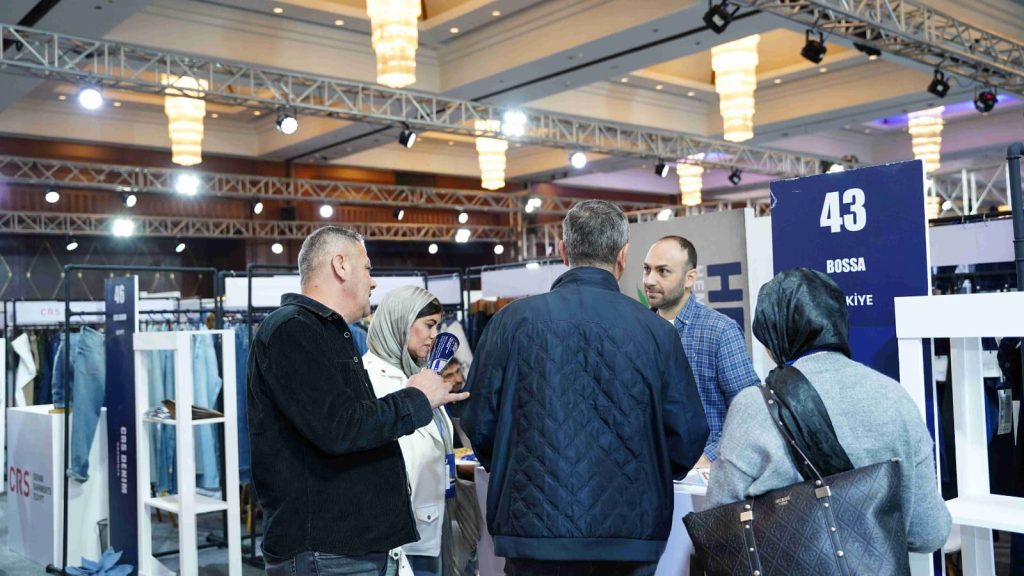
The show welcomed 1,056 visitors across both days, with strong international representation. Visitors included sourcing teams, designers, and decision-makers from New York, Asia, MENA and across Europe.

Key international brands in attendance included Uniqlo, Rag & Bone, Centric Brands, Ann Taylor, PacSun, Abercrombie & Fitch, Mango, Hugo Boss, H&M, Inditex, Bestseller, Worldbox, LPP, Next Sourcing, and Kontoor Brands. In addition, the show saw significant participation from major Turkish brands such as LC Waikiki and Colin’s and Defacto. Alongside this, prominent Egyptian brands including Concrete, Be Indie, and others were also present.

This mix of global and regional brands reinforced the show’s role as a focused platform for sourcing, collaboration, and industry dialogue.

Exhibitor Overview and Supply Chain Representation

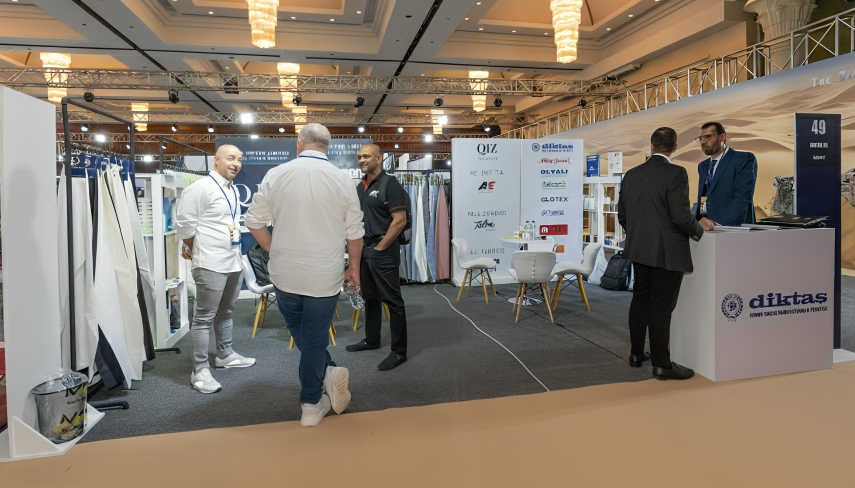
D&J Egypt featured 80 exhibitors, offering an overview of the complete denim supply chain. The exhibitor mix included fabric manufacturers, garment producers, accessory and trim suppliers, chemical and dye specialists, washing and finishing technology providers, machinery companies, and sustainability solution experts.

A notable highlight was the collaboration with ITHIB, which brought 23 Turkish companies to the show. In total about 30 Turkish exhibitors participated, alongside 20 Egyptian companies, with the remaining exhibitors representing other key denim-producing regions. Together, they presented a view of denim manufacturing capabilities and innovations.

Trend Area Highlights

Meanwhile, the curated Trend Area reflected both regional inspiration and global denim directions. Overall, it focused on sustainability, comfort, and creative expression.

Workshops and Creative Engagement

Workshops played a key role in engaging designers, students, and industry professionals through hands-on learning and experimentation. In collaboration with KB Denim and HMS Washing, a series of creative sessions were hosted throughout the two days.

Workshops were organized by KB Denim and HMS . KB denim Workshops included:

  • Denim Clutches Workshop by Marina El Belony, Bags & Belts Designer, focusing on craftsmanship and accessory design using denim.
  • Free-Hand Draping Workshop by Waleed Khairy, Fashion Designer and CDD Co-Founder, exploring form, movement, and creative construction directly on the body.

HMS Workshop conducted the immersive “Cairo Denim Heist” session. During the workshop, participants used tools such as the HMS Designer Pen and HMS Moons to create fade effects on denim money bags. The workshop demonstrated water-free techniques, emphasizing innovation without water waste or sludge generation.

Together, these workshops highlighted denim’s creative potential. At the same time, they reinforced the importance of sustainable production practices.

Panels, Talks, and Industry Discussions

The event opened on January 19, 2026, with an Opening Ceremony. Mr. Magdy Tolba, Chairman of T&C Garments, shared insights on Egypt’s growing potential within the global textile and apparel industry. This was followed by remarks from Mr. Mustafa Denizer, Board Member of ITHIB and CEO of Diktaş, highlighting Turkey-Egypt collaboration.

Later on Day 1, the panel “Denim Deal Live: Lessons, Challenges & Next Moves in Post-Consumer Recycled Cotton” took place. The discussion featured Mr. Gokhan Ünsal (DNM Denim) and Ms. Dilek Erik (Sharabati). It was moderated by Mr. Nicolas Prophte of the Denim Deal Steering Committee. The discussion addressed the realities of post-consumer recycled cotton, including challenges in scale, quality, and future direction.

Day 2 opened with “Innovation Under Pressure: How the Denim Industry Is Reinventing Itself.” The panel featured Ms. Kara Johnson (PacSun), Mr. Autari Goggia (Rag & Bone), and Ms. Nikita Raman (Hugo Boss). The session was moderated by Mr. Nicolas Prophte. The panel examined how design, innovation, and sustainability are evolving amid cost pressures and changing consumer expectations.

The program included a presentation by Mr. Ahmed Zohair, Director at GAFI’s Investment Promotion Sector. Titled “Egypt – Great Opportunities for Investment in the Textile and Apparel Industry,” the session outlined policy support, infrastructure development, and investment incentives available in the country.

Conclusion and Next Stops

D&J Egypt 2026 concluded on January 20, reinforcing its position as a focused platform for denim sourcing, innovation, and industry dialogue. The event highlighted Egypt’s growing role in the global denim ecosystem. It also supported collaboration between international brands, manufacturers, and solution providers.

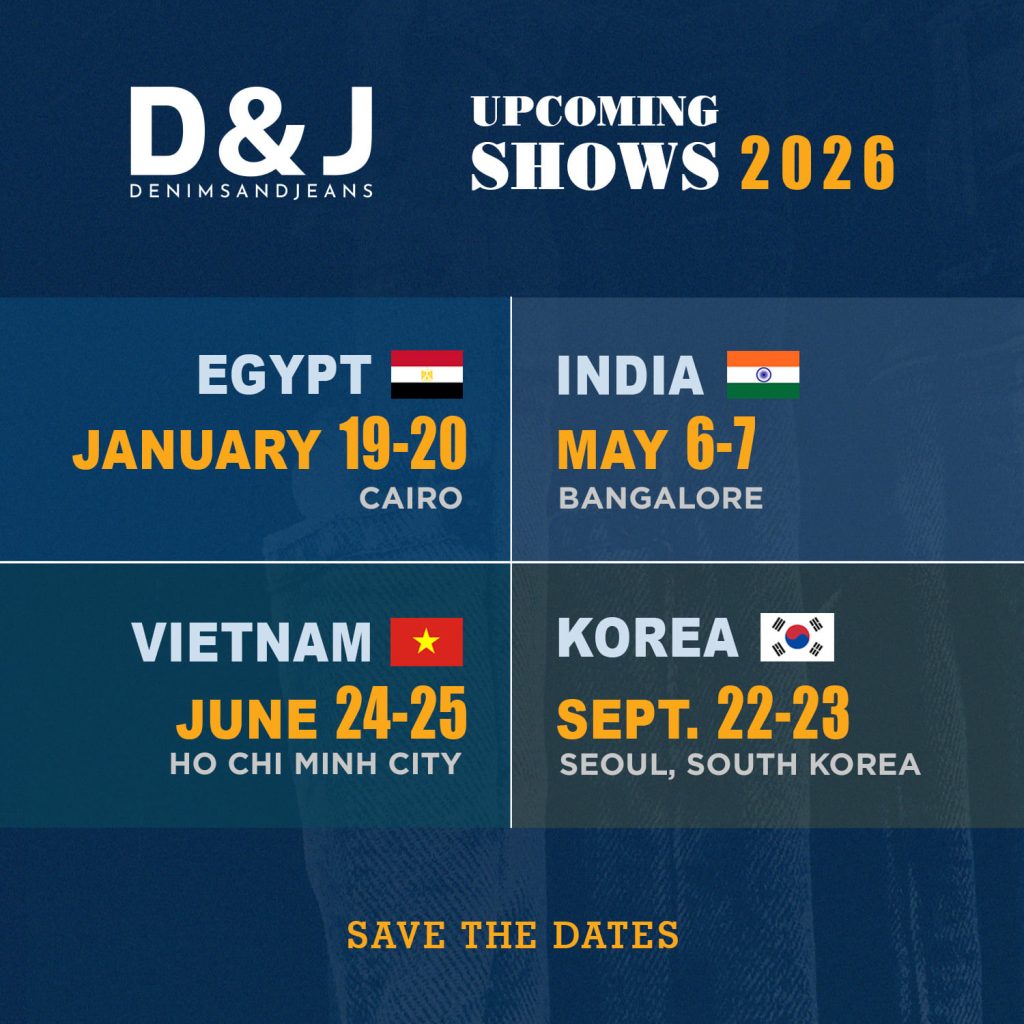
The Denimsandjeans tour continues with upcoming editions in India (May 6-7), Vietnam (June 24-25), and South Korea (September 22-23).

The post Denimsandjeans Egypt 2026: Post Show Report appeared first on Denimandjeans.

DENIM and PATCHES sourced this post originally published on this site
Filed Under: Blog

  • « Go to Previous Page
  • Page 1
  • Interim pages omitted …
  • Page 4
  • Page 5
  • Page 6
  • Page 7
  • Page 8
  • Interim pages omitted …
  • Page 23
  • Go to Next Page »

Footer

Search

Tags

12 STEPS AA ALCOHOL apparel BABY BABY JACKET closth clothes comfortable custom custom embroidered CUSTOM EMBROIDERED PATCH DENIM DENIMandPATCHES DENIM JACKET denimjacket JACKET PATCH patches technology your mom

Recent

  • Denim Première Vision Is Heading to Japan
  • Levi’s x Bode -The Barrel Racer Jeans 
  • Kojima Calling: Where Japanese Denim Heritage Meets a New Generation
  • True Religion × Megan Thee Stallion Ad Campaign
  • Bode Creates Barrel Racer Jean for Levi’s

Shopping

  • Shop DENIMandPATCHES
  • Terms & Conditions
  • Return Policy
  • Your Privacy
  • we sell DENIM and PATCHES
  • Funny
  • Mature
  • Wholesome
  • Cart
  • How To

Copyright © 2026 · DENIMandPATCHES.