• Skip to main content
  • Skip to footer

DENIMandPATCHES

we sell DENIM and PATCHES

  • Home
  • About
  • Blog
  • Gallery
  • How To
  • Cart
    • Checkout
    • My account
  • Contact

DENIMandPATCHES

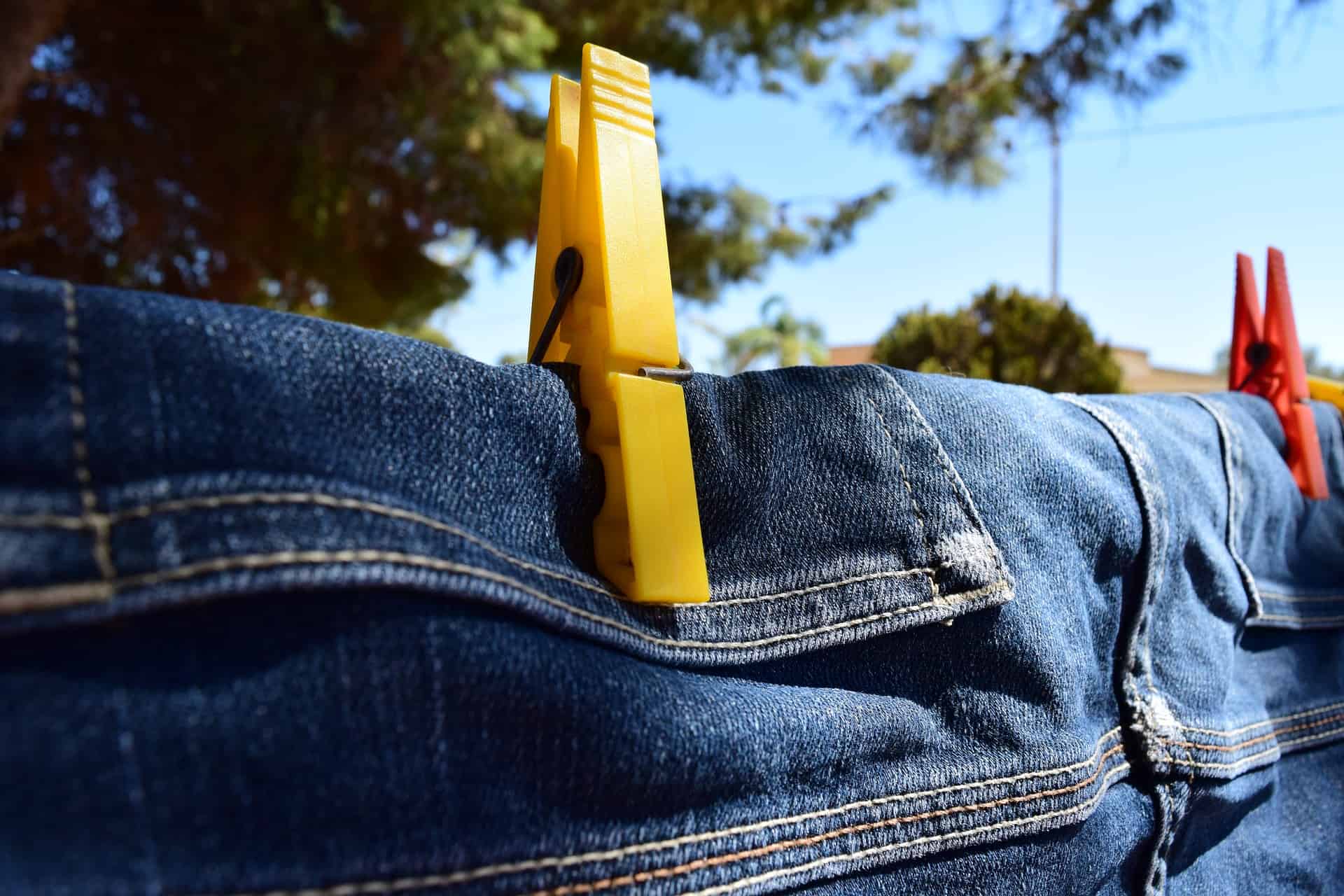
How to Judge the Quality of Jeans

August 14, 2026 by DENIMandPATCHES

Affiliate disclaimer: We work with most brands and retailers featured and earn commission on purchases.

What to Look for in a Well-Made Pair of Jeans

Expensive jeans aren’t hard to find. Figuring out whether they’re actually better made can be much harder.

Because you also pay for brand name, marketing, distribution, retail margins, and all the other things that happen between making a pair of jeans and getting them onto your legs.

That can make quality difficult to judge from the price tag alone. This week’s main story is about how to look past that and judge the jeans themselves—a truly valuable lesson.

In This Issue of the DH Weekly

  • This Week at Weirloom – A question about what kind of brand I’m actually building
  • New guide – The signs of quality to look for in jeans
  • New drops, restocks and releases
  • From the Archive – How to spot a well-made tee

Get These Updates in Your Inbox

The DH Weekly is my column and newsletter, out every Friday with new stories, product picks, industry observations, and a bit of denim history. Sign up below to get it straight to your inbox.


This Week at Weirloom

It’s been a while since I shared an update on what’s happening with Weirloom. And if you’re new to the Weekly, you might not even know that I launched my own jeans brand last year. So here’s what’s been happening lately.

Is Weirloom a “Selvedge Brand”?

A few weeks ago, Bryan announced that I’m back on the judging panel for this year’s Indigo Invitational. In the post, he described Weirloom as “his selvedge denim brand,” which got me thinking; because I don’t see Weirloom as a “selvedge brand.”

From the beginning, my ambition has been to build something that can scale, and eventually become what I do for a living. I’ve said several times that I didn’t start Weirloom to get another hobby 😅

Selvedge is the obvious place to start for me. After nearly two decades of working with and writing about selvedge jeans, of course that’s where I start. But what I really want is to take everything I love about the top-shelf jeans—the quality, the details, that they’re made to last—and make that available to more people.

Eventually, this will very likely mean you’ll see non-selvedge Weirloom jeans. Shocking? Maybe. But don’t say I’m not honest and open about it 😇

The WL#2 Restock Is Here

The real Weirloom news this week is more straightforward: the WL#2 Slim Fit—made from Italian selvedge denim—is back in stock, and pre-orders have shipped.

I opened the pre-order back in May with an expected shipping date of August 13, and I got them out right on time. A few sizes are already gone, but most of the size range—from 28 to 40, including 35 and 37—is now back on my shelves and ready to ship to you.

Since they’re now “in stock”, the pre-order pricing is over. That means these are back at the regular price of €200, or the equivalent in your currency.

For a pair of made-in-Europe selvedge jeans with many of the quality signs that I look for in a well-made pair, I still think that represents good value for money.

SHOP THE WL#2 SLIM FIT

Speaking of signs of quality in jeans, that brings me rather neatly to this week’s main story.


What Are You Actually Paying For?

A higher price doesn’t automatically mean better jeans.

Most of the time, you’re paying for better denim, better construction, better hardware, or better manufacturing. But you’re paying for a brand name, marketing, distribution, or the fact that the jeans are hanging in a very nice shop.

Back in June, Bryan wrote a guide to the eight signs he looks for in a well-made T-shirt. Then, while I was on holiday for most of July, he did the same for jeans—and that guide is now live.

Hidden rivets
Tucked belt loops
Flat-felled inseams
Chain-stitched hems
Some of the quality signs we look for

The new guide covers 11 “checkmarks” you can actually inspect yourself—from selvedge denim and chain-stitched hems to pocket bags, belt loops, hardware, and the extraordinarily rare one-piece fly.

It’s not that your jeans have to have all these details. A flat-felled inseam isn’t automatically better than an overlocked one. Cotton thread is more authentic, but less durable. And some of the best jeans in the world don’t have a one-piece fly.

The point is to understand what these details tell you about the jeans in front of you—and whether the price reflects the product itself. Once you know what to look for, good jeans leave plenty of clues.

LEARN THE 11 SIGNS OF QUALITY IN JEANS

Things Worth Your Attention

The drops keep dropping, so here’s a week’s worth of restocks and releases for you—the highlights of what landed in my inbox since the last issue.

Brave Star Is Gearing Up for Heavyweight Season

There’s a lot going on here, but the star of the show is the new 23 oz. Colossus, a special Kaihara selvedge that Brave Star bought the entire available lot of earlier this year.

It’s woven in an unusual heavyweight 4×4 construction rather than the usual 3×1, packing more yarn in both directions. But because it’s long-staple yarn, all that mass has a surprisingly supple hand despite the hefty 23 oz. weight. It’s currently available on pre-order, expected to ship at the end of September.

23 oz. Japanes selvedge
Wabash selvedge in a sawtooth western

The other heavyweight release is the 21.5 oz. Reaper Heritage in black. It’s a left-hand-twill selvedge with a black warp and white weft. That combination gives it a much more traditional black-denim look than black-on-black, and it’s available in True Straight and Slim Straight.

There’s plenty beyond heavy jeans too. The 12.5 oz. Sawtooth Wabash snap shirt is a first-time combination, limited to 75 shirts; the 13 oz. Ironside Brownstone jacket is a 50-piece drop; and the Mojave Western Cut has been done in 13 oz. herringbone, with 72 pairs in the first run.

Also worth a look: the Sawtooth Shadow shirt in 12.5 oz. stretch selvedge, a herringbone restock across four jeans fits, and the Glory Days yarn-dyed indigo T-shirts.

SHOP THE LATEST AT BRAVE STAR

… or shop the pre-orders, currently including the 23 oz. Colossus and the Sawtooth Wabash.


Franklin & Poe Starts Flannel Season with UES

The first fall delivery from UES has landed, bringing back the slubby flannels they relaunched last year after a decade-long hiatus, alongside a couple of double-gauze shirts.

My pick is the 502655 Slubby Flannel Shirt in navy (the one Andrew, on the right, wears). At 8.8 oz., it’s lighter than the heavy flannels UES is probably better known for, which makes it closer to an all-year option than a true winter heavyweight. 

The heavily slubbed yarns and lightly brushed finish give it that nappy, textured surface I like, and it’s finished with acorn pockets, cat-eye buttons, and a selvedge-ID gusset at the hem. It’s also available in brown and green.

SHOP THE UES DROP AT FRANKLIN & POE

Cultizm Gets Two New Greencast ONIs

Two new ONI fits have landed in the brand’s 15 oz. Green cast selvedge: the 200-GC15 Wide Straight and 622-GC15 Relaxed Tapered.

The colour is what makes this denim really interesting. After rope dyeing the warp with indigo, ONI gives it a yellow-toned sulphur finish, shifting the denim towards that distinctive greenish blue. As the indigo fades, that undertone should become increasingly visible.

Also arriving is Kaptain Sunshine’s first FW26 drop, including a new 5P Straight Denim in 13.5 oz. San Joaquin cotton selvedge, alongside the matching Tracker jacket.

Cultizm also has two new washed versions of the LVC 1933 501 plus House of Blanks heavyweight T-shirts in a two-pack, made in Canada, clocking in at 275 gsm (8.11 oz.).

SHOP THE LATEST AT CULTIZM

Hinoya Goes Back to the ’40s

There’s a bit of a 1940s theme around the latest from Tokyo’s original denim destination.

Buzz Rickson’s WWII Denim Blouse is the brand’s take on the stripped-back jacket made under wartime restrictions—four front buttons instead of five, no pocket flaps, and a “FOR THE DURATION” pocket flasher. It’s made from Buzz Rickson’s 13.6 oz. selvedge denim.

They’ve also got three Levi’s Vintage Clothing 501 reproductions, covering the 1944, 1947, and 1955 models. The progression is almost a miniature denim history lesson: the simplified wartime 1944, the cleaner and more modern post-war 1947, and the boxier 1955 associated with outlaws and bikers.

Hinoya also received the green cast drop from ONI, including three straight fits—the 246 Neat Straight, 288 Regular Straight, and 200 Wide Straight—with the 246, currently their number-one bestseller.

SHOP THE LATEST AT HINOYA

Brooklyn: Roughout Boots and the First Signs of Autumn

The autumn deliveries are starting to arrive in earnest now, and there’s quite a bit in Brooklyn Clothing Co.’s latest drop.

The thing I’d look at first is the new drop from Unmarked. They’ve got two boots in heavyweight roughout: the WWII-inspired N1 Boondocker and the lace-to-toe Archie Boot. Both are Goodyear-welted, and that light-coloured leather will only get better with wear. At $549, they also look like good value for money.

There’s also a substantial Full Count delivery, including an olive-drab 2107 Type I and matching 0105 Wide jeans, plus chinos, shirting, and a USN-inspired herringbone coverall. KATO’s FW26 arrivals have started landing too, with new Ripper Flannels and three coloured selvedge options in beige and brown.

SHOP NEW ARRIVALS AT BROOKLYN

Blue in Green Gets a Pure Blue Japan Exclusive Drop

The New York retailer got a batch of BiG exclusives from Pure Blue Japan.

A standout item is the 14 oz. Teacore Black denim, available in PBJ’s 019 Relaxed Tapered and the 003 Regular Straight fits. The warp yarns are dyed brown first, then rope-dyed black, and have a brown weft underneath. That means the denim will gradually reveal those warmer brown tones as the black fades.

There’s also a 16 oz. Double Nep denim in the same two fits, this time pairing an indigo-dyed warp with a sumi ink-dyed weft for a darker, heavily textured fabric.

And the shirts are worth a look too: an indigo-overdyed double-gauze check, plus seersucker and jacquard options—all very much in PBJ’s textured, indigo-heavy wheelhouse.

SHOP THE BLUE IN GREEN EXCLUSIVES

Redcast: Tigers, Natural Dyes, and a Quieter Week

Redcast have been taking it unusually easy since the last Weekly—I’ve only had a couple of emails from them, rather than the near-daily stream of new arrivals I’ve become accustomed to 😁

The Flat Head ‘Hyaku Tora’ Linen Shirt

What really caught my eye is The Flat Head’s Hyaku Tora linen shirt. It’s based on a 1950s Hawaiian shirt motif, hand screen-printed on linen, with pattern-matched pockets and coconut-shell buttons.

If it looks familiar, there’s a reason. Freenote Cloth’s Ice Tiger shirt is also made from Japanese screen-printed linen. It’s not the exact same tiger pattern, but there’s definitely a resemblance. I like both of them a lot.

Graph Zero New Arrivals

There’s also some considerably more unusual denim from Graph Zero: 15 oz. black-grey jeans made from slubby, skein-dyed denim, plus a limited run combining kakishibu—persimmon tannin dyeing—with aizome indigo dyeing.

Late Summer Must-Haves

And if you’re not quite ready to think about autumn yet, Redcast also received a new Sun Surf reproduction of a vintage Tropicana Sportswear aloha shirt, while Rogue Territory’s latest delivery includes an 8.5 oz. washed Japanese selvedge Field Shirt.

SHOP THE LATEST AT REDCAST

Iron Heart Knows How to Tell a Product Story

In a recent newsletter, the heavyweight champs traced the coach jacket from 1950s American sports through college campuses and into the hip-hop, skate, and Amekaji scenes of the ’80s and ’90s. I really enjoy seeing brands do storytelling like this.

The nylons are great, but I’d pick the denim one

The resulting product is great, too: a relatively faithful 4.8 oz. Nylon Coach Jacket in black or grey, plus the more Iron Heart-esque take: a 10 oz. Neppy Selvedge Denim Coach Jacket with rope-dyed indigo warp, light-blue weft, copper snaps, and ribbed cuffs.

That wraps up Iron Heart’s SS26 collection, so stay tuned for the FW26 collection that’ll start dropping soon.

SHOP THE LATEST AT IRON HEART

KATO Wants to See Your Fades

We’re in the final month of Year 5 of the Indigo Invitational, but that isn’t the only fading competition around.

KATO runs its own Fade Contest. Entries are open internationally, and the jeans have to start raw, they have to be KATO, and you have to fade them naturally through wear—that goes without saying.

Winners are picked at the end of August and December, with a $200 KATO gift card for each winner. If you’re willing to part with your jeans after the competition, KATO even accepts worn-in pairs in exchange for new ones.

If you already have a pair of KATOs that qualify, you might as well consider entering. And if you’re looking for a pair to join with—or you’re new to the brand—start with my KATO brand profile to understand what makes their jeans different.

ENTER THE KATO FADE CONTEST

From the Archive: How to Spot a Well-Made Tee

This one isn’t exactly ancient history. We published it at the end of June, just before my summer break.

But it belongs here because it’s part of the series of this week’s jeans guide: learning how to judge quality from the product itself rather than relying on the label, the price, or the marketing around it.

For T-shirts, we identified 8 things to look for, including loopwheeled fabric, single-stitch hems, bound collars, flat-locked seams, better cotton, and close-to-home manufacturing.

So far, we’ve done tees and jeans. There are a few other obvious categories we will likely give the same treatment over the coming months.

LEARN ABOUT THE 8 SIGNS OF A WELL-MADE TEE

The post How to Judge the Quality of Jeans appeared first on Denimhunters.

DENIM and PATCHES sourced this post originally published on this site
Filed Under: Blog

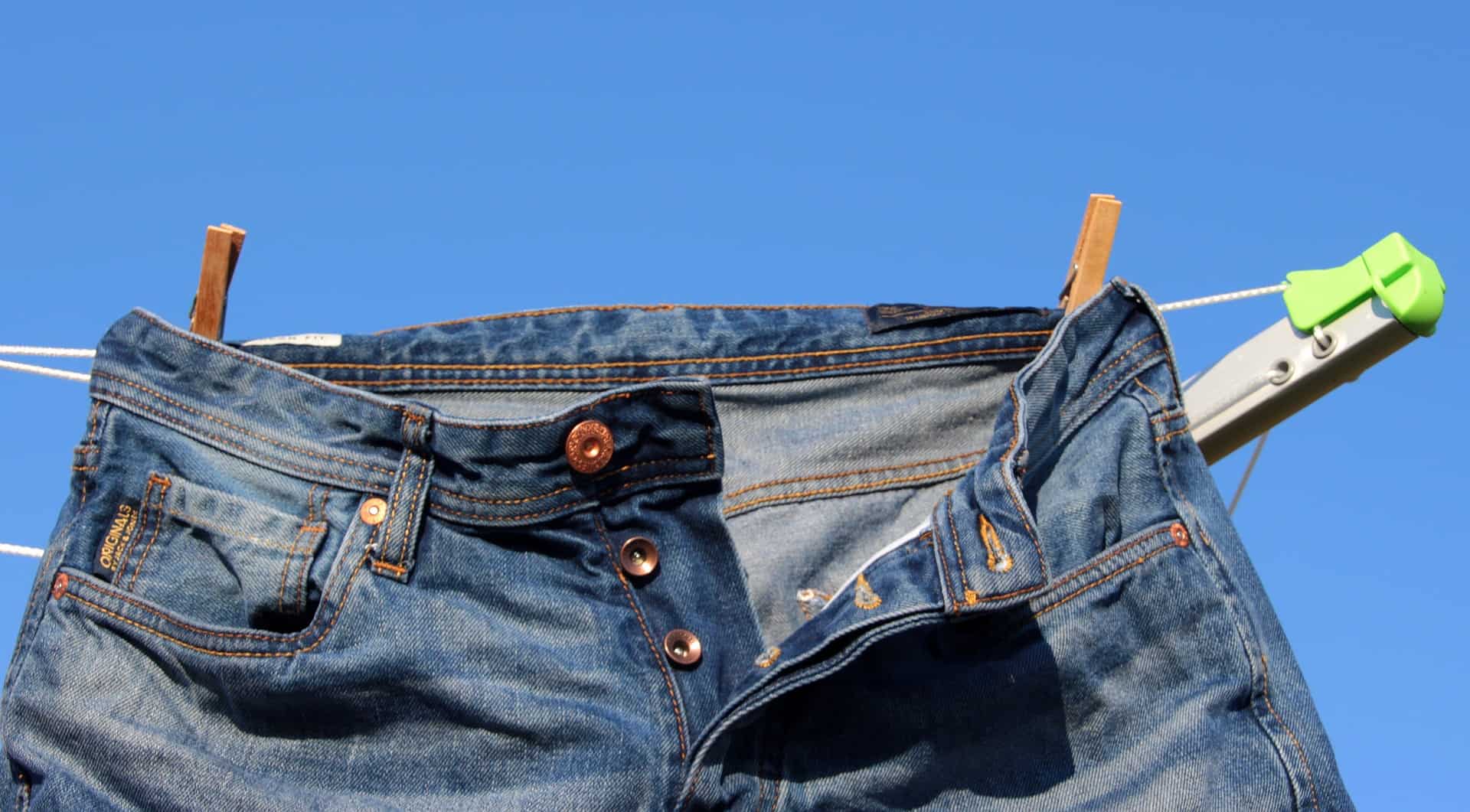
How to Spot Well-Made Jeans: The 11 Hallmarks of Quality

August 14, 2026 by DENIMandPATCHES

Affiliate disclaimer: We work with most brands and retailers featured and earn commission on purchases.

Selvedge, Chain-Stitched Hems, Concealed Rivets, and Other Signs of Quality Jeans to Know

One of the biggest draws of selvedge denim is that you tend to get exactly what you pay for. In the wider world of menswear, it’s not always easy to tell when you’re paying for the product—or simply its label.

In the world of selvedge denim and heritage workwear, labels mean far less. You pay for what a brand’s reputation is built on: quality and durability.

Below, we’ll tell you what to look for whenever you encounter a new pair. With a bit of practice, you’ll be able to assess a pair’s quality in just a few seconds.

TL;DR – The 11 Hallmarks of Well-Made Jeans

Just want the list? Here’s what to look for:

  1. Selvedge Denim – Shuttle-loomed fabric with a self-finished edge on the outseam.
  2. Chain-Stitched Hems – Flexible and characterful; essential for roping.
  3. Quality Sewing Thread – Cotton or core-spun; matte, not shiny.
  4. Stitch Per Inch – Count them; tells you what the brand prioritises.
  5. Flat-Felled Inseams – Strong and clean on the yoke and seat; bulkier on the inseam.
  6. Durable Pocket Bags – Sturdy twill or herringbone, never synthetic.
  7. Lined Back Pockets – Soft and smooth behind the back pocket signature.
  8. Belt Loops Done Right – Tucked ends and/or a raised ridge down the middle.
  9. Well-Made Hardware – Substantial metals, firmly and permanently set.
  10. Concealed Rivets – Visible from inside the jeans, hidden on the outside.
  11. One-Piece Fly – The rarest detail on this list; its absence means nothing.

Even if you have complete faith in the brands and retailers you patronise, it’s our advice to trust but verify. Pop the hood and evaluate each pair on its own merits.

Want More Guides Like This in Your Inbox?

The DH Weekly is our founder’s Friday column and newsletter with new articles, deals, and things worth paying attention to. Sign up here:


What to Look for in Quality Jeans

Whenever you encounter a new pair—especially from a brand you’re not familiar with—spend a few minutes with it, examining it inside and out. You should find at least a few of the signs below.

Remember that these signs have nothing to do with how the pair fits or looks on you. They are the marks that expert hands leave behind during the manufacturing process. This isn’t a matter of style but of substance.

For each of the eleven signs below, we’ll tell you what to look for and point you to brands that get it right.


Quality Hallmark #1: Selvedge Denim

For us, selvedge denim is the starting point when looking for a great pair of jeans that will fade beautifully. Most serious denimheads, having made the switch to selvedge denim, never go back. It’s selvedge or nothing. If you’re new to the term, you can learn more about what selvedge denim is here.

Selvedge looms in Japan – Photo by Japan Blue

However, that selvedge ID (found on the outside of the cuff) is not always a reliable guarantor of quality. The selvedge space is becoming more and more crowded with each passing year, and some brands capitalise on the association of selvedge with quality.

Fake selvedge (left) vs. the genuine article (right)

High-quality selvedge denim brims with character. The colours—indigo and white—dance together on the surface, drawing the hand and the eye. The denim has loft and texture. Its quality is unmistakable.

This character is a product of how the yarns have been dyed and woven. It demands a deeper investment from both the brands who use it in their products and from the consumers who appreciate it. 

Does the denim speak to you? If so, what is it saying?

Shuttle looms run more slowly than modern looms, producing narrower rolls of fabric, and they work well with the kinds of irregular yarns that create variation and depth in the denim surface.

Non-selvedge tends to be more consistent and flatter. You might see the same thing in inferior-grade selvedge denims. Even when you see that selvedge ID, look closer. 

How to verify if it’s selvedge: Turn up the cuff and look at the outseam. On selvedge jeans, you’ll see the clean finished edge running inside the seam, usually with a coloured stripe. If the price seems unusually low for a pair claiming to be selvedge, that’s when to look more carefully.

Samurai

The Kiwami selvedge features a striking silver selvedge ID.

Shop Samurai Jeans →

LVC

Reproductions of the pairs that made selvedge denim an icon.

Shop Levi’s Vintage Clothing →

The Flat Head

TFH’s beautiful Pioneer Selvedge has off-the-charts fade potential.

Shop The Flat Head →

Quality Hallmark #2: Chain-Stitched Hems

Found nearly everywhere you look on great pairs, chain stitching is something of a standard for heritage selvedge brands. 

Different chain-stitch machines are used for different parts of the jeans, but the one denimheads care most about is the Union Special 43200G, patented in 1939, which is used specifically for the hems.

If you see one of these in the shop, you’re in the right place – photo by Raleigh Denim

When denim is fed into the chain-stitching machine, it twists a little. As the jeans fade, a distinct roping effect emerges on the hems. Like whiskers, honeycombs, stacks, and train tracks, this distinct fading effect is deeply appreciated by fade enthusiasts.

Most of our favourite retailers have a Union Special 43200G on the premises. If you need your pair shortened, they’ll be able to do this while preserving this essential detail.

Why is it essential? Not because a chain stitch is any more durable. In fact, chain stitches are more prone to unravelling than lock stitches. If the thread breaks anywhere, the chain stitch will slowly come apart. Lock stitches don’t have this problem: break one stitch and the rest will keep on keepin’ on.

Single-stitched (left) vs. chain-stitched (right) hems

The chain stitch, though, is far more flexible than lock stitches, making it less prone to breaking in the first place. 

It accordion-opens, making chain-stitched pairs better suited to hard-worn workwear and western wear. This flexibility helped make the chain stitch one of the signatures of golden-age American workwear produced in the first half of the twentieth century. 

That’s why you’ll find chain stitching beyond the hems—on the waistband, the yoke seam, the seat. Anywhere the denim needs to move and give with the wearer. As Thomas puts it: “Chain stitching goes wherever the denim needs to room to grow.”

Beautiful roping along a chain-stitched hem – Photo by Blue Owl Workshop

What to look for: Turn up the cuff and check the hem. A chain-stitched hem has a distinctive looping stitch on the underside—it looks almost like a braid. If the leg has been shortened, check whether the chain stitch was preserved. A flat, single-thread stitch means it wasn’t.

Omoto

This new Japanese brand chain-stitches the hems on all of their jeans.

Shop Omoto Denim →

RRL

Ralph Lauren’s premium Americana label chain-stitches hems and the waistband.

Shop RRL →

Unbranded

The relatively inexpensive, big-bang-for-buck jeans feature chain-stitched hems.

Shop Unbranded →

Quality Hallmark #3: Good Sewing Thread

We usually turn up our nose at anything less than 100% cotton, but there are a few exceptions. One of them is the thread that’s used to hold your jeans together. 

Cotton threads (left) vs. polyester threads (right)

Starting in the late-’50s, denim brands started using polyester threads. More flexible and less prone to breakage than cotton, polyester was broadly accepted as an important innovation for denim manufacturers and spread throughout the industry in the ‘60s and ‘70s.

Cotton threads like these break down with your denim – photo by Stridewise

Polyester threads do have an aesthetic downside, though. They are more lustrous than cotton, drawing more attention to the stitching, and they do not fade with the denim the way that cotton threads do, drawing even more attention to the stitching as the denim fades.

To get around this, premium brands use thread with a polyester core that’s been wrapped in a layer of cotton; core-spun thread. You get increased strength, but also the more traditional look of cotton threads: the best of both worlds. 

Iron Heart uses durable polycore thread (cotton wrapped polyester) for their pairs

We’ve got a soft place in our hearts for 100% cotton threads. Used mostly by vintage reproduction brands, cotton threads will break down with your denim, requiring more repairs, but this was part of the traditional denim experience before polyester threads became standard. 

What to look for: If you’re not sure what thread a brand uses, it’s usually in the product description. Shiny, smooth-looking stitching is a sign of polyester. If the thread looks a little duller and more matte, you’re probably looking at cotton or polycore.

Strike Gold

With extremely high SPIs made from cotton threads, Strike Golds age beautifully.

Shop The Strike Gold →

Resolute

This legendary Japanese brand does things the old-fashioned way.

Shop Resolute →

TCB

Deeply respectful reproductions of classics, TCB uses cotton thread for all their pre-’60s jeans.

Shop TCB Jeans →

Quality Hallmark #4: Stitch Per Inch (SPI)

Every seam on a pair of jeans is sewn at a specific stitch density—measured as stitches per inch, or SPI. It’s one of the clearest windows into how a brand thinks about construction. And unlike most details on a pair of jeans, you can measure it yourself.

Take a look at the stitching running along the inseam. If you have a ruler or a tape measure, place it alongside the inseam and count the stitches per inch. Most well-made pairs will fall into the range of 7-11 stitches per inch (SPI).

It’s common to find different SPIs across a pair of jeans—the inseam might have one, the waistband another. What you’re looking for is the SPI on the major structural seams, where it tells you the most about what the brand prioritises.

Iron Hearts with a very respectable 8 SPI

What might seem a simple indicator of quality manufacturing is actually a complex balancing act. Denser stitching sits flusher with the denim, producing a cleaner look, but it’s also more rigid and unforgiving. Especially when used on heavy denim, it might lead to puckering or tearing.

Lower-density stitching is not as clean aesthetically, but it’s more faithful to traditional sewing methods from the early part of the twentieth century. It looks a little rougher around the edges, but it is more flexible and better suited to heavy denims.

With an SPI of 4.5, Strike Gold try to recreate the vintage denim experience

There isn’t a magic number to look for, but this doesn’t mean it’s a number that should be ignored. The SPI tells you a lot about what the brand you’re looking at sees as important.

If you’re looking for something traditional and flexible, look for a relatively low SPI (5-8). For something more rigid and clean, look for a higher SPI (9-11). 

With an SPI of 9, Ruttloffs tip towards a more tailored look

What to look for: Place a ruler or tape measure along the inseam and count the stitches in one inch. Anything between 5 and 11 is normal for well-made jeans—what matters is whether it matches what the brand is going for.

The Strike Gold

The Strike Gold use long stitches and cotton thread for a truly classic feel.

Shop The Strike Gold →

3sixteen

With an SPI of 8 for major seams, 3sixteen pairs are right in the sweet spot.

Shop 3sixteen →

Stevenson Overalls

With one of the highest SPIs in the game, Stevensons have an exceptionally clean finish.

Shop Stevenson →

Quality Hallmark #5: Flat-Felled Inseams

Jeans are only as durable as the seams that hold them together. And few seams are as strong or as clean as the flat-felled seam.

A flat-felled seam joins two pieces of fabric by folding the raw edges together into an interlocking “s” shape and stitching them down with a double row of chain stitching. The result is as tough as nails and looks exceptionally clean.

Most flat-felled seams are sewn with a double row of stitching—sometimes in two different colours—though some are made with one or three rows. Expert eyes can often spot these seams from the outside of the jeans.

You’ll find flat-felled seams in several places on a well-made pair—most commonly on the yoke and the seat, where durability matters most. On the inseam, though, things get more nuanced.

Overlocked (left) vs. a flat-felled inseam

Most brands use an overlocker here—a machine that joins the two pieces of denim, trims the excess, and keeps the raw edges from fraying. 

The overlocked inseam is slimmer, more flexible, and closer to the original: vintage Levi’s have overlocked inseams, and many of the best Japanese brands do too.

Because the flat-felled seam folds multiple layers of denim together, it creates a noticeably chunkier inseam. If you wear your jeans with two or more cuffs, you’ll feel it. On heavyweight denim, flat-felled inseams aren’t really an option for this reason.

Flat-felled seams on these Realigns jump out at you when you turn up the cuffs

Flat-felled seams are a sign of careful construction. But they’re not inherently superior—and on the inseam especially, it comes down to what you want from the jeans.

What to look for: When you turn up the cuff to check for the selvedge, give the inseam a look as well. A flat-felled seam shows as a double row of stitching, often in two different colours. An overlocked seam has a single row with a looping finish on the edge.

Realign

Milled and sewn in Japan, these meticulously crafted pairs feature clean flat-felled inseams.

Shop Realign →

Naked & Famous

Many of Naked & Famous’s heavy and heritage pairs feature flat-felled inseams.

Shop Naked & Famous →

Railcar Fine Goods

Renowned for their meticulous construction, many Railcar jeans have flat-felled inseams.

Shop Railcar →

Quality Hallmark #6: Durable Pocket Bags

Another common point of early failure on inexpensive pairs, pocket bags are subject to a great deal of use and abuse. We stuff our hands in our pockets or fill them with all manner of things. Sooner or later, they start to go to pieces at either the entry point or the bottom.

Since the pocket bags are always tucked away on the inside of your jeans, it’s not uncommon for brands to treat them as an afterthought. This means it’s always a pleasant surprise when the pocket bags are, like the denim we love, heavier than standard.

Big John’s virtually indestructible 15.5 oz. pocket bags after 300+ wears

The best way to examine the pocket bags is before you try on the pair. Open the pair up and examine the pockets from the inside. Excellent ones are made from a sturdy twill or herringbone fabric that is cotton-soft yet sturdy. If the pocket bags are smooth, glossy, or rough, it’s probably a synthetic fabric.

Ruttloff’s pocket bags, with selvedge ID and saddle stitching, are masterpieces

If the pockets look smaller than they should be, or if the bottom of the pocket bags are not finished with a turned-over french seam (i.e., if you can see the rough edges of the fabric), leave the pair where you found it.

Thomas adds: A 100% cotton pocket bag is the purist’s choice, but a cotton-poly blend will often outlast it. After almost a year of daily wear on my Weirloom jeans, that’s exactly what I’ve found—no signs of wear-through yet.

Especially if you carry keys or other pointy things in your front pockets, ripped pocket bags are virtually inevitable. Even the most durable fabrics have their breaking points. Pairs featuring sturdy pocket bags, though, might go 500 or more wears before those catch-alls need repairs. 

What to look for: Reach into the pockets and feel the fabric before you try them on. Sturdy twill or herringbone that feels cotton-soft is a good sign. Smooth, glossy, or rough means synthetic—and low-grade pocket lining will often be slightly see-through. Check the bottom of the pocket bag too—if you can see raw, unfinished edges, put them back.

Big John

The RAREs feature nearly incredible 15.5 oz. heavyweight pocket bags.

Shop Samurai →

Ruttloff

Johann Ruttloff’s reinforced pocket bags are a remarkable piece of craftsmanship.

Shop Ruttloff →

Tellason

The San Francisco brand go the extra mile to make sure their pockets hold up.

Shop Tellason →

Quality Hallmark #7: Lined Back Pockets

If your jeans often go to pieces on the backside, a lined back pocket is something you’ll want to look for. Many brands skip this, but if you think it’ll make a difference for you, put it on your checklist.

I rarely check this detail before trying on a pair for the first time. It’s a nice surprise when I slide my hands into the back pockets and feel something soft and smooth where I’m expecting the rougher feel of the backside of the denim.

It’s not a miracle worker—if you carry a wallet with a large button, it’ll eventually eat its way through the lining too. But if you’re not putting anything with hard or sharp edges in your back pockets, a lined back pocket will buy you considerably more time before repairs are needed.

Iron Heart’s fully lined back pockets
The half lining on Big John RAREs

The back pocket signature is one of the most recognisable details on a pair of jeans. Some brands use it to hold a pocket lining in place—but it’s a common misconception that this is what the stitching is for. A signature tells you nothing about whether the pocket is lined or not. The only way to know is to check.

What to look for: Slide your hands into the back pockets. If you feel something soft and smooth where you’d expect the rougher backside of the denim, there’s a lining. It may be full or partial—both are a good sign.

Iron Heart

With only one exception (the 21 oz. 634s), all Iron Hearts come with full back pocket lining.

Shop Tanuki →

Tellason

The line of stitching in the middle of Tellason’s pockets is attaching a half liner to the back pockets.

Shop Tellason →

Ruttloff Jeans

Surely Europe’s finest denim atelier, Ruttloffs are packed with eye-popping features.

Shop Ruttloff →

Quality Hallmark #8: Raised and/or Tucked Loops

Belt loops see a lot of action. They’re often one of the first places to fade, and they’re a typical point of failure—if you’ve ever snagged a paper-thin pair on a door latch and seen the belt loop either torn off the jeans or the denim split wide open, you know what I’m talking about.

Well-made pairs pay particular attention to this area, and there are two details worth looking for—though they serve different purposes.

A tucked loop that got snagged on a door latch

The first is the tucked belt loop. Rather than simply stitching the bottom of the loop to the outside of the waistband, the end is tucked inside it. It’s a small detail, but it makes the attachment point significantly more secure.

Tucked loop on a pair of Weirlooms

The second is the raised belt loop—a slight or dramatic ridge running down the middle of the loop. This isn’t about reinforcement. The ridge protects the stitching on either side from wear, and it fades beautifully, especially on heavier denim.

Neither detail is a surefire sign of quality on its own. There are inexpensive brands that tuck and raise their loops, and there are exceptionally well-made pairs that do without one or both. But when you find them together, it’s usually a good sign.

What to look for: Check where the bottom of the belt loop meets the waistband. On a tucked loop, the end disappears inside rather than sitting on top. Run your finger down the loop—a raised loop will have a distinct ridge down the middle.

Freenote Cloth

Tucked loops are a standard feature on Freenote Cloth’s made-in-USA jeans.

Shop Freenote →

Rogue Territory

Clean and durable tucked loops are a signature feature for Rogue Territory.

Shop RGT →

Left Field

One of the very few brands that both tuck and raise the loops on many of their pairs.

Shop Left Field →

Quality Hallmark #9: Well-Made Hardware

On quality pairs, buttons and rivets (and occasionally zippers) should be exceptionally sturdy. Well-made hardware sits firmly and permanently in the denim. It feels substantial when you fasten the jeans—not flimsy, not loose.

Branded iron buttons on a pair of Flat Heads

Good brands don’t cut corners in this area. They invest in sturdy hunks of brass, iron, copper, and sometimes silver—or some combination thereof—sunk deeply and permanently into the denim.

Copper is the classic choice for rivets—it’s what Jacob Davis used when he invented riveted workwear in 1871, and heritage brands still use it today. It’s strong, corrosion-resistant, and develops a natural patina over time. 

Some brands stamp their name on buttons and rivets. Others, like Tellason, choose not to—and that tells you nothing about the quality of the metal.

Samurai’s branded rivet backs

There’s one exception worth knowing: laurel-leaf buttons are a throwback to pairs produced during WWII in the midst of material rationing. They’re stamped with a distinctive laurel pattern and have a large hole in their centre. Reproductions from this period are not complete without them.

A laurel button from a Blue Blanket jacket – Photo by Long John

What to look for: Take a close look at the hardware whenever inspecting a new pair. You should be able to feel the substance of the buttons when fastening the jeans. The top button should stay firmly in place—not bending to the side, which is a sign it’s not securely fastened. If shopping online, look for pairs that describe what metals they’ve used.

Samurai

Samurai pay closer attention to hardware than almost anybody.

Shop Samurai Jeans →

Sugar Cane

Many Sugar Cane reproductions have period-correct iron buttons.

Shop Sugar Cane →

Graph Zero

The Japanese brand uses handsome branded iron buttons.

Shop Graph Zero →

Quality Hallmark #10: Concealed Rivets

Until Levi Strauss and Jacob Davis’s patent for riveted overalls ran out in 1890, Levi’s was the only brand that riveted their workwear, and they went out of their way to draw attention to this fact.

They would have shuddered at the thought of hiding their rivets behind a layer of denim, but the brand’s customers complained about the rivets scratching furniture, upholstery, and saddles.

In 1935, Levi’s head of manufacturing Milton Grunbaum patented a solution. According to Levi’s, the concealed rivet first appeared on the 501 in 1937—announced with a now-iconic salmon-coloured pocket flasher bearing the words “The Rivet’s Still There.”

The patented concealed rivets placed a barrier of denim between the rivets and the customer’s leather or wood, and most agreed that the newly engineered back pockets were an improvement on the original.

Tucked away on the outside, but still there on the inside

While Levi’s finally gave up on the back pocket rivets in 1966, replacing them with heavy bartack stitching, Japanese reproduction brands revived the tricky sewing technique. They’re now a fairly reliable sign of quality. If you can see rivets on the inside of the back pockets but not the outside, this is definitely a good sign.

What to look for: Turn the jeans inside out and check behind the back pockets. Concealed rivets are visible from the inside of the jeans but hidden behind a layer of denim on the outside.

Iron Heart

Concealed rivets are a key feature of Iron Heart’s excellent selvedge denim jeans.

Shop Iron Heart →

Mister Freedom

Manufactured in Japan by Sugar Cane, Mister Freedoms have concealed rivets.

Shop Mister Freedom →

Momotaro

Concealed rivets are a standard feature on nearly every pair Momotaro makes.

Shop Momotaro →

Quality Sign #11: One-Piece Fly

This is arguably the rarest detail on this list—and the only one where its absence tells you nothing negative about a pair of jeans.

The one-piece fly (aka continuous fly) was invented by David Neustadter of Neustadter Brothers, a San Francisco workwear firm established in 1852 and one of Levi Strauss’s earliest competitors. 

Their overalls were sold under the Boss of the Road label. Neustadter patented the continuous fly on 30th October 1877—though it’s believed the detail appeared on their first work pants as early as 1875.

The patent described the intention plainly: to strengthen the garment at the point where the inner seams meet, where the greatest strain is received, and at the same time to simplify construction. 

The technique involves making the fly from a single continuous strip of fabric rather than two separate pieces. Denim ateliers highlight this rare detail by using the selvedge edge; no overlocking needed (that would be blasphemy here).

Today, only a handful of brands in the world use it. Finding it on a pair of jeans is a sign that whoever made them is operating at a very high level—but its absence is no mark against a pair. Some of the best jeans ever made don’t have it.

What to look for: Clean and elegant, the one-piece fly is easy to spot. When unbuttoned, the one-piece fly hinges all the way open. Denim ateliers often highlight this rare detail by using the selvedge edge, with the selvedge edge touching itself when the fly is fastened.  

Exceptionally rare, the detail is definitely one to keep your eye out for, but it’s definitely not a sign of inferior quality when it’s absent. Only a small handful of denim brands around the world make pairs that feature a one-piece fly.

Companion Denim

Shop Companion →

Triple Aught

Shop Triple Aught →

Grease Point

Shop Grease Point →

Well-Made from the Waist Down

No pair ticks all eleven signs, and none needs to. A pair of Iron Heart 21 oz. selvedge with overlocked inseams and concealed rivets is just as well-made as a Companion piece with a one-piece fly and flat-felled everything—they’re just making different bets on what matters most.

If you’re starting from scratch, the best place to begin is our guide to the best raw denim brands. Find your next pair →

Want to go heavier? Our heavyweight guide has you covered →

Working with a tighter budget? Start here →

And if you want to go deeper on any of the details covered in this guide—rivets, chain stitching, selvedge, and more—the Denim Wiki is where to go.

Keep Track of What I’m Working On

Hi, I’m Thomas, founder of Denimhunters. If you liked this article, you should check out the DH Weekly. It’s my weekly column and newsletter that I publish every Friday, with new guides, deals, and things worth paying attention to.

The post How to Spot Well-Made Jeans: The 11 Hallmarks of Quality appeared first on Denimhunters.

DENIM and PATCHES sourced this post originally published on this site
Filed Under: Blog

Wrangler x Lainey Wilson F/W 2026 Collection

August 13, 2026 by DENIMandPATCHES

Following up on their Summer 2026 collaboration, Wrangler and Lainey Wilson have now partnered up again for their Fall and Winter 2026 collection. This collaboration trades Lainey’s usual boho-Western signature for something even bolder.

Wrangler

This marks Lainey’s latest collaboration with Wrangler, following her ongoing role as a brand ambassador, and continues to lean into the crossover moment she’s having across music, film and fashion.

denim

The new collection blends ’70s free-spirit energy with Western heritage and vintage glamour. Think plush faux fur, dark denim, soft chenille and flowing silhouettes, all with Lainey’s unmistakable grit-meets-glam point of view.

jeans

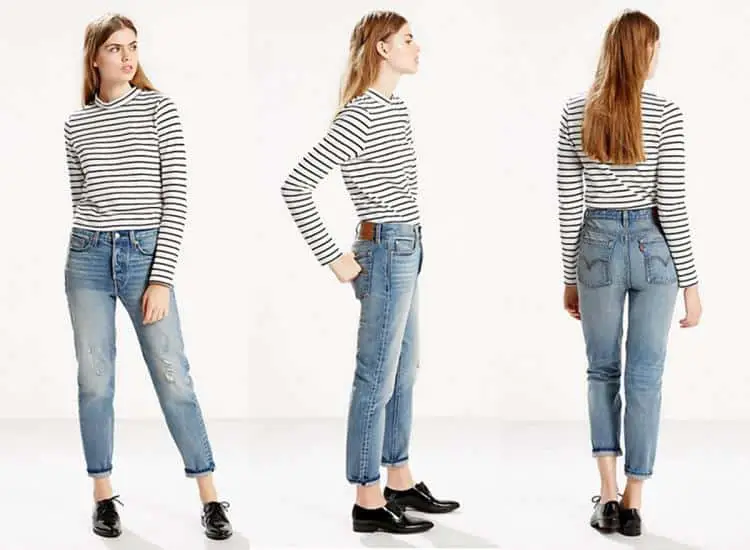
The Fa;;/Winter 2026 collaboration capsule is now available to purchase on the Wrangler website.

The post Wrangler x Lainey Wilson F/W 2026 Collection first appeared on Denimology.

DENIM and PATCHES sourced this post originally published on this site
Filed Under: Blog

RE/DONE – “The Unexpected Muse” Fall 2026

August 11, 2026 by DENIMandPATCHES

RE/DONE

RE/DONE positioned its Fall 2026 collection, “The Unexpected Muse,” as a new chapter for the brand, led creatively by Meredith Kahn and Phillip Prado.

RE/DONE

The concept centers on women who influence fashion simply through their individuality rather than being conventionally styled as muses.

For your denim trend tracking, the important part is the collection’s shift toward refined, understated denim rather than overtly distressed vintage denim.

denim

“This season isn’t about transformation. It’s about recognition. The realization that inspiration doesn’t need to be chased— it often arrives disguised as collaboration. And once you see it, you can’t unsee it.”

Key Fall 2026 denim direction

  • Heritage denim, modernized – RE/DONE continues to draw on vintage American denim but approaches it with a more contemporary, polished attitude.
  • Masculine codes for women – Workwear and traditionally masculine denim references are softened and made more sensual. This is one of the collection’s stated contrasts.
  • Structure + ease – The collection emphasizes structured pieces balanced by softer, more intuitive silhouettes.
  • Vintage influence without costume – Instead of simply reproducing old Levi’s-inspired pieces, the Fall 2026 approach uses heritage references as a foundation for new proportions. Quiet sensuality, denim is part of a broader move toward clothes that feel less aggressively styled and more naturally worn.
  • Rinse/dark denim remains relevant – This fits the larger Fall 2026 move toward dark indigo, cleaner washes and more sophisticated denim.
jeans

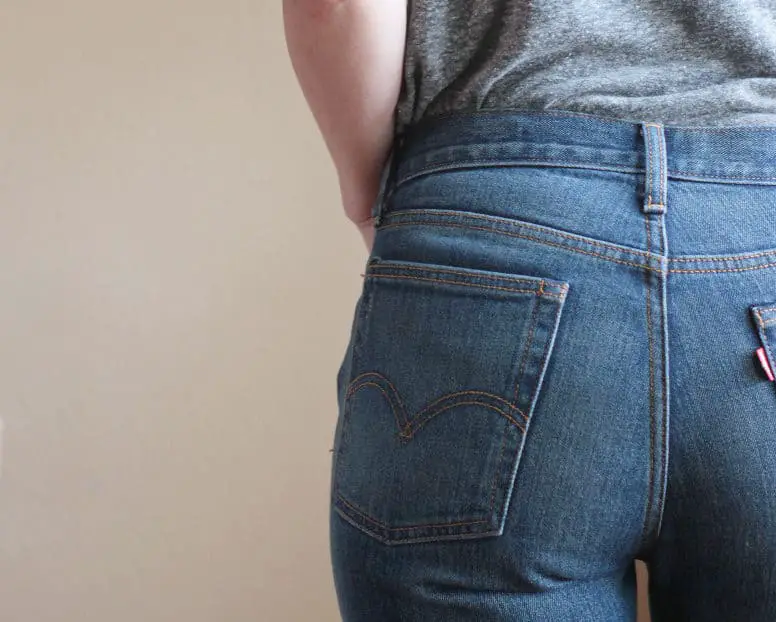
Resuming, the Fall 2026 collection is an interesting counterpoint to the ripped/distressed jeans we’ve come to associate with RE.DONE. And it shows that the vintage-denim story doesn’t necessarily require heavy destruction. Authenticity and construction can provide the vintage feeling instead.

You can purchase RE/DONE clothing at MYTHERESA, Nordstrom, and at Bloomingdale’s.

The post RE/DONE – “The Unexpected Muse” Fall 2026 first appeared on Denimology.

DENIM and PATCHES sourced this post originally published on this site
Filed Under: Blog

Z SUPPLY Has Entered The “DENIM Chat”!

August 10, 2026 by DENIMandPATCHES

California lifestyle brand, Z Supply, is showing up [guns blazing] with the launch of its permanent five-pocket premium denim collection. 

fashion

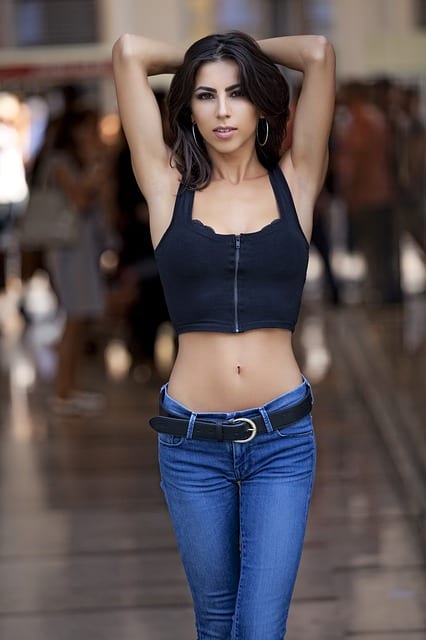
Marking a meaningful evolution to the brand and expansio of key categories (which also include RTW, lounge, and eyewear) – Z SUPPLY has introduced six foundational silhouettes priced from $138-158, with sizes ranging from 24-31. Every fit was designed to flatter, every fabric chosen for comfort, and every wash created to feel modern and timeless. 

track jeans

Without further adu, meet your maybe soon-to-be new fave denim to live in!

This denim capsule is now live and available to shop on the brand’s website.

The Stunner, – a Mid-Rise Wide Leg 

wide-leg jeans

The mid-rise jean sits comfortably on the hips. The silhouette keeps it modern with slightly bowed wide legs, and the look of vintage denim with comfort you will appreciate.

The Show Off – High Rise Bowed

Features a relaxed bowed leg creating a flattering shape – keep it cuffed for a cropped, warm-weather-friendly look, or uncuff it for extra length and pair it with a heel or a boot.

high-rise jeans

The Off Duty – Mid-Rise Bowed Ankle

nid-rise jeans

Sits comfortably just below your natural waist and has a relaxed fit through the hips. The slightly bowed leg gives it a fresh, modern shape.

The Studio – Modern Boot

bootcut jeans

A fit that contours and flatters your shape, gives you legs for days, and also feels incredibly comfortable.

The Muse – High-Rise Straight

straight -leg jeans

Our take on the classic straight-leg jean, the high-rise creates a flattering fit through the waist and clean straight silhouette make it one of the most versatile styles

The Head Turner = High-Rise Wide Leg

denim

Rigid fabric with authentic texture and a vintage-inspired wash featuring a wide-leg with a forward seam detail creating a fresh, modern look

The post Z SUPPLY Has Entered The “DENIM Chat”! first appeared on Denimology.

DENIM and PATCHES sourced this post originally published on this site
Filed Under: Blog

Your Shortcut to the Raw Denim Restocks and Releases

August 7, 2026 by DENIMandPATCHES

The 2026 Back-to-Work Issue: Everything I Snoozed in My Inbox While I Was on Holiday

Three weeks away from your desk go by surprisingly fast when you’re having the time of your life. It’s a cliché if there ever was one, but this summer holiday has truly been the best we’ve ever had as a family 🥰

The Stege Bojer family at the top of Seceda in Italy

Before we left, I wrote and scheduled the previous four Weeklies, which tell the story behind the New to Raw Denim series. Not a single word of those issues was written from the road. That means this is the first one I’ve actually sat down to write in almost a month.

While I was away, launches, restocks, and updates kept landing in my inbox. As I was trimming my inbox in the morning (while the family was sleeping in), I “snoozed” the emails with news I wanted to share in this back-to-work issue—so you’re getting a full month of “things worth your attention.”

In This Issue of the DH Weekly

  • A tribute to Roy Slaper
  • The final monthly Indigo Invitational submission
  • A full month of restocks and new releases from all your favourite brands and retailers

Get My Weeklies in Your Inbox

I also send these out as emails every Friday. If you’re not already subscribed and want future DH Weeklies delivered straight to your inbox, you can sign up below.


Remembering Roy Slaper

A few weeks ago, the raw denim scene lost one of its true originals. Roy Slaper, the man behind Roy Denim, passed away.

When I started this site, Roy was already a legend on the forums. I never got to meet him or get my hands on a pair of his jeans. I never even told his story. Not because I didn’t want to. It simply just never happened.

Roy in his studio, photographed by Farhad Samari

While putting this issue together, I went back through old emails and notes and realised that we’d asked to interview him for Blue Blooded. But Roy was a very private person. He wasn’t interested in the spotlight.

So I’m not one to tell his story, but I can point you towards a few tributes from people who actually knew him. If you want to understand why Roy became such a mythical figure in the world of raw denim, read these:

  • SFGATE – An obituary built around memories from Kiya Babzani, Tilden Yamamoto, and David Shuck.
  • Albert Muzquiz – A personal remembrance of meeting Roy, and a reflection on both the myth and the man.
  • Indigoshrimp – Roy’s passing brought one of the original denim bloggers back for the first time in years.

Thank you, Roy. Rest in peace.

Delivering some Roy Denim goods
Modelling his jeans for Self Edge

One Last Monthly Submission

On a much lighter note, I haven’t been wearing my Weirloom jeans much this past month. They’re great for most occasions, but they’re not beachwear.

11 months into my Weirloom ‘Second Edition’ jeans

Whether you’ve been wearing your jeans or not, today—Friday 7 August—is the deadline for the final monthly submission in this year’s Indigo Invitational.

We’re into the last month now, so don’t stop. I’m back on the judging panel this year, and I can’t wait to see how everyone’s jeans end up.

SUBMIT YOUR FADES HERE

A Full Month of Restocks and New Releases

Now for the inbox backlog. There was plenty to catch up on, so I’ve organised the highlights by merchant—and by category where the lists get especially long.

Redcast Heritage

The team at Redcast clearly didn’t take much of a summer holiday. New arrivals and restocks have been landing every week, with no sign of slowing down. The T-shirts alone could almost have filled an issue.

The Strike Gold loopwheeled T-shirts
UES Ramayana tee
Whitesville heavyweight pocket tee

T-shirts

  • The Strike Gold loopwheeled T-shirts – Core colours restocked, with Light Charcoal and Olive added for the season.
  • Whitesville heavyweight pocket T-shirts – Back in core and seasonal colours.
  • UES Ramayana T-shirts – The Suvin Gold cotton tees are back in pocket and plain versions across four colours.
  • Wonder Looper Amami hand-dyed T-shirts – Only a few remain from the latest Amami-dyed release.
  • Pure Blue Japan 11 oz. jersey – New T-shirts and sweatshirts in indigo and indigo black.
  • Samurai Japanese cotton T-shirts – Back in three colours.
  • Studio D’Artisan Amami Mud-Dyed collection – Loopwheeled T-shirts and an Aloha shirt dyed using traditional techniques from Amami Oshima.
  • Studio D’Artisan Ishikawadai tubular tees – Seamless T-shirts made with yarn spun on the 1953 Ishikawadai machine.
  • Buzz Rickson’s Government Issue T-shirts – WWII-inspired tubular tees restocked in white, olive, and black.
  • The Flat Head 12 oz. raglan thermals – New colours in the brand’s tubular thermal for warmer weather.
  • Trophy Clothing Utility Mil T-shirt – Now also available in Coyote.
Graph Zero Natural Indigo and Kakishibu
Sugar Cane 1940 Collectibles
PBJ XX Series

Jeans

  • Samurai jeans – The Otokogi, Cho-Kiwami, and Zero+ models are back.
  • Sugar Cane 1940 Super Denim Collectibles Waist Overalls – A limited 50th-anniversary model based on WWII-era workwear.
  • Sugar Cane 1947SW stonewashed jeans – Back for anyone who wants the vintage look without waiting for the fades.
  • Pure Blue Japan 14 oz. XX Series jeans – The XX-005 Slim Straight and XX-013 Slim Tapered are back in PBJ’s slubby XX denim.
  • Rogue Territory Strider River Wash jeans – A washed version of RGT’s 15 oz. selvedge, developed with an LA wash house.
  • Graph Zero Natural Indigo and Kakishibu jeans – The 13 oz. natural indigo and persimmon tannin-dyed model is back.
  • Graph Zero Kase Dyed jeans – The 15 oz. skein-dyed models return in indigo, green indigo, and black.
  • Denime Lot. 224 66B jeans – The black selvedge interpretation of the 1966 Levi’s 501 has been restocked.
  • Momotaro Standard jeans – Tokuno Blue denim is back across the Standard fits, with black versions available too.
Denime raglan sweat
PBJ indigo sweat
Sugar Cane Type II

Jackets, shirts, and sweats

  • Samurai 10 oz. denim shirts – The Kamome, Hisho, and classic work shirt have all been restocked.
  • Pure Blue Japan yarn-dyed indigo sweatshirt – Back in indigo and indigo black.
  • Denime loopwheeled raglan sweatshirts – Restocked in yellow and dark heather grey.
  • Rogue Territory River Wash Supply Jacket – The washed Supply Jacket is back, alongside the Waxed Canvas version in Tan and Olive.
  • Studio D’Artisan sashiko collection – New arrivals include a 14 oz. Type II jacket and an indigo Noragi Boro work shirt.
  • Sugar Cane 1953 Type II jacket – The “aged” version has returned.
Kobashi Studio leather belt
Trophy Clothing Road Trip Bag

Accessories

  • Kobashi Studio leather belts – Hand-stitched Tochigi saddle leather belts with solid brass Kihon buckles.
  • Kobashi Studio accessories – New chrysanthemum bandanas and leather bandana rings, plus restocked brass accessories and the Standard Backpack.
  • John Lofgren Champion sneakers – Now available in Solid Olive, made by Moonstar from 12 oz. selvedge chino cloth.
  • Trophy Clothing Road Trip Bag – A new 42-litre travel bag made from heavyweight Japanese canvas with brass hardware.
SHOP ALL NEWS AT REDCAST HERITAGE

Iron Heart

There have been plenty of exciting releases, but the main story this month is that the jeans are finally back in stock. After months of gaps across several core fits and denims, a substantial run of restocks has now landed.

16 oz. Slubby 634
666-UHR
21 oz. 666

Jeans

  • 666-UHR – The slim-straight Devil’s Fit returns in what will probably be the final production run of UHR denim.
  • 21 oz. 666 – The core heavyweight slim straight is fully restocked.
  • 18 oz. 634 – Back after more than two years.
  • 14 oz. 634 – The mid-weight straight fit has returned. I wore these—in the Ruedi collab, albeit—in Y4 of the II.
  • 14 oz. Overdyed 634 – The overdyed black version is back too.
  • 16 oz. Slubby 634 – Low-tension slubby denim in the classic straight fit. I wore these in Y3.
  • 16 oz. Slubby 888 – Back in the relaxed-tapered fit.
19 oz. Type II
Iron Heart x Simmons Bilt Tailgunner

Jackets and shirts

  • Type II jacket – Back in the new 19 oz. right-hand twill selvedge.
  • Iron Heart x Simmons Bilt Tailgunner – The Mustang horsehide collaboration returns.
  • 17 oz. duck CPO shirt – The heavyweight duck-canvas overshirt is back.
  • 8 oz. military whipcord CPO shirt – A lighter option for warmer weather.

T-shirts and knitwear

  • 11 oz. cotton knit sweater – Restocked in all colours and sizes.
  • 7.5 oz. loopwheel printed T-shirts – New 777 and 888 prints complete the jeans-fit series.

Footwear

  • Iron Heart x Wesco Warren boots – A new collaboration in black roughout leather.
SHOP THE LATEST IRON HEART DROPS HERE

Franklin & Poe

The big news from Philly’s denim destination is ONI. Franklin & Poe has added the brand to its lineup, alongside two in-house launches, a new Easymoc collaboration, and several useful restocks.

F&P Vintage T-shirt
ONI jeans
Easymoc x Franklin & Poe boots
  • ONI Denim – New to Franklin & Poe, opening with the Kiraku and Long Slub collections.
  • F&P Vintage T-shirts – The shop’s first in-house tee, cut and sewn in Los Angeles from a custom 9 oz. jersey based on vintage T-shirts from the 1970s and ’80s.
  • Trademark Bandanas – USA-made bandanas with artwork by Philadelphia tattoo artist Topper, printed using discharge printing.
  • Easymoc x Franklin & Poe – A new footwear collaboration accompanied by a film from inside Easymoc’s factory in Maine.
  • Iron Heart jeans restocks – The 14 oz. 634, 18 oz. 634, and 21 oz. 666 have arrived.
  • Samurai jeans – Three new 15 oz. denims join a restock of the 17 oz. Bushido S5100VX.
  • Mister Freedom Pacific Denim – The 12 oz. denim arrives in the Lot. 64 jeans and Ranch Blouse.
  • Sugar Cane engineer pants – Lightweight 9 oz. wabash-stripe work trousers based on 1930s railroad clothing.
  • John Lofgren boots – The Wabash Engineer, El Capitan, and M-43 are back.
SHOP ALL NEW ARRIVALS AT FRANKLIN & POE

Tellason

The latest arrivals from San Francisco are a good reminder—if you needed one—that there’s much more to Tellason than five-pocket jeans.

Denim fatigue pant
Utility shirt
Cotton watch cap
  • Selvedge denim fatigue pant – The relaxed fatigue shape in rinse-washed 11 oz. Italian selvedge. I’ve worn the shorts all summer, and this version looks excellent.
  • Striped Oxford button-down shirt – A blue-and-white version of the Oxford I reviewed. This is probably the one I’d choose.
  • Selvedge denim shawl-collar jacket – The same 11 oz. rinse-washed selvedge in a relaxed jacket.
  • Utility shirt – Heavy brushed cotton in Chocolate and Ochre. My pick is Chocolate.
  • White Oak selvedge work pant – Made in San Francisco from 13.5 oz. deadstock Cone Mills White Oak denim.
  • White Oak selvedge Montana jacket – The matching chore jacket in the same deadstock denim.
  • Cotton watch cap – Reclaimed cotton, made in the USA, three colours, $40.
SHOP ALL TELLASON NEWS HERE

Brooklyn Clothing Co.

The biggest launch was an exclusive Viberg retailer pack, but there was plenty more arriving in Calgary over the past month, including new shirts, Japanese brands, and a sizeable Iron Heart restock.

Viberg Roper boots
Iron Heart split-steer Type III
Brooklyn x Prequel shirt
  • Viberg Roper boots – The exclusive pack comes in Muschio and Cuoio Maryam horsebutt.
  • Iron Heart jeans restocks – The 14 oz. 634, 18 oz. 634, 21 oz. 666, and 16 oz. Slubby Overdyed 888 also arrived at Brooklyn.
  • Iron Heart split-steer Type III jacket – Back in black and brown.
  • Iron Heart CPO shirts – The 19 oz. indigo-and-black and 17 oz. duck versions have returned.
  • Prequel exclusive shirts – Four shirts recreating fabrics found in century-old Japanese textile swatch books.
  • Kato jeans – New arrivals in the Hammer and Barrel fits.
  • Samurai Tropical Weather shirt – A breathable military-inspired work shirt woven at a century-old mill in Banshu.
  • The Flat Head jackets – A 1940s-inspired denim jacket and two coveralls.
  • Anonymous Ism socks – New FW26 colours and styles.
SHOP THE LATEST NEWS AT BROOKLYN HERE

KATO

The LA-based brand’s emails don’t just push product; the past month mixed the start of FW26 and the second White’s drop with stories about how the denim is made, as always, presented through a visual language that’s unmistakably KATO.

The Semi-Dress boot
The Derby Oxford
The Pen Slim – Sven 10.5 oz. selvedge
  • KATO x White’s Triple Black Series – The Derby Oxford is the second chapter, following the Semi-Dress boot. U.S.-only and mostly sold out, but worth a look.
  • The Pen Slim – Sven 10.5 oz. selvedge – A bright, bleached wash with an orange cast in KATO’s lightweight 4-WAY STRETCH SELVEDGE®.
  • The Hammer Straight – Charlie 14 oz. selvedge – A softly faded straight fit with the same warm, vintage direction.
  • How KATO indigo-dyes its denim – A look inside the Japanese mill, from warping and rope dyeing to oxidation.
  • What is selvedge denim? – KATO’s own beginner explainer on selvedge, raw denim, Japanese weaving, and rope dyeing.
  • Made in the USA – A behind-the-scenes look at cutting, sewing, washing, and finishing in the U.S. using Japanese fabrics.
VISIT KATO FOR MORE NEWS AND STORIES

Gustin

Continuously launching new, interesting, and sometimes surprising fabrics is a big part of what Gustin does, and the past month has been no exception. The latest campaigns cover everything from lightweight and brightly coloured denim to natural dyes and unusual blends.

Natural Indigo 2
Indigo x Indigo Superlight
Crystal Ocean
  • Natural Indigo 2 – A 14 oz. Japanese selvedge dyed with plant-based indigo, something Gustin has offered only a few times.
  • Heavy Black workshirt – A 14.5 oz. double-black selvedge workshirt.
  • Japan Dobby Herringbone – Double-indigo herringbone available as five-pocket trousers and a workshirt.
  • Japan Organic Persimmon Dye – Brown selvedge dyed with persimmon fruit, woven from heavily slubbed organic cotton.
  • Indigo x Indigo Superlight – A 7.5 oz. double-indigo Japanese selvedge made for warmer weather.
  • Crystal Ocean – A bright ocean-blue 14 oz. selvedge with slubby yarns and crosshatching.
  • Purple Haze – The same 14 oz. construction in purple.
  • Cashmere denim – Already fully funded, but still worth mentioning. The Japanese selvedge contains 20% cashmere, which is as unusual as it sounds.
SHOP ALL GUSTIN’S CAMPAIGNS

Cultizm

The past month brought a steady run of new denim, clothing, accessories, and collaborations, with arrivals from both Japanese and North American brands.

Mister Freedom Trad selvedge
Naked & Famous Guardian II
Studio D’Artisan Ishikawadai
  • Naked & Famous Guardian II selvedge – A 14.25 oz. Japanese selvedge containing 20% Kevlar, available in several fits and a matching Type III jacket.
  • Studio D’Artisan Ishikawadai jeans – The Ishikawadai selvedge arrives in regular- and wide-straight fits.
  • Mister Freedom Trad selvedge – The Lot. 64 jeans and Ranch Blouse in a new 13.75 oz. Japanese denim developed with Sugar Cane.
  • Naked & Famous Harionago selvedge – A hairy 14 oz. Japanese selvedge inspired by Japanese folklore, available in three fits.
  • ONI Weapon trousers – Back in three colours.
  • Rogue Territory – The dry-waxed Supply Vest and washed Japanese selvedge Field Shirt have arrived.
  • Kaptain Sunshine x Paraboot Montana – A limited version of the classic hiking shoe.
  • North Works x Cultizm – An exclusive Japanese-made necklace using vintage US coins and turquoise.
  • Martin Faizey belts – The British maker’s handmade leather belts have been restocked.
SEE ALL NEW ARRIVALS AT CULTIZM HERE

That’s a full month of emails cleared—and probably the longest product section I’ve ever put into a Weekly.

I’m back at my desk now, so next week’s issue should be closer to normal. Whatever that means.

One last thing. I’m curious to hear what you think of this issue. It’s a wall of links, I know, but that was on purpose. Send me an email if you have any feedback, good or bad.

The post Your Shortcut to the Raw Denim Restocks and Releases appeared first on Denimhunters.

DENIM and PATCHES sourced this post originally published on this site
Filed Under: Blog

Junya Watanabe Spring 2027 Mens Denim

August 7, 2026 by DENIMandPATCHES

The Junya Watanabe Spring 2027 menswear collection continued the designer’s long-running exploration of workwear and technical tailoring.

spring 2027

And denim was one of the key materials. Rather than classic five-pocket jeans, Watanabe treated denim as a fabric for reconstruction and experimentation.

And if you’re looking for some real stand-out jeans – Watanabe definitely is the designer to look for! Think cout-out jeans, or denim adorned with ruffles, among other details.

Junya
denim

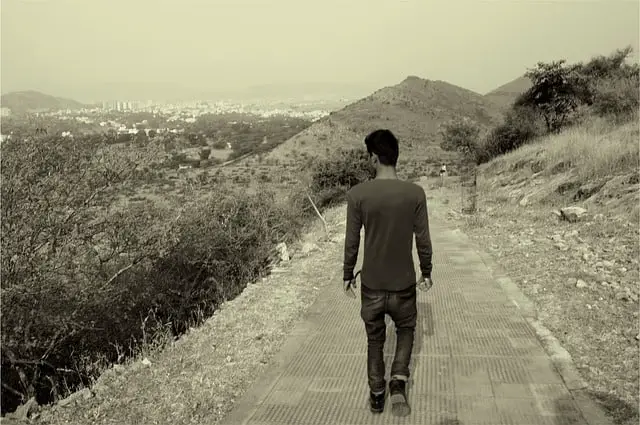
Key denim trends include jeans and jackets cut apart and reassembled with asymmetric paneling and visible seams. Multiple denim washes were combined into a single garment, emphasizing handcrafted construction. Contrast panels gave garments a repaired, upcycled appearance rather than a distressed one.

As for the washes – while faded blue appeared throughout, darker indigo denim remained an important anchor, reinforcing the season’s broader move toward richer washes.

Unlike brands emphasizing embellishment or heavy distressing, Watanabe’s denim focused on construction as decoration—using pattern cutting, fabric splicing, and tailoring to create visual interest rather than relying on rips, studs, or prints.

embellished
black jeans

You can shop for Junya Watanabe at Farfetch, YOOX, and at MYTHERESA.

The post Junya Watanabe Spring 2027 Mens Denim first appeared on Denimology.

DENIM and PATCHES sourced this post originally published on this site
Filed Under: Blog

Lucky Brand – Back To The 2000’s!

August 6, 2026 by DENIMandPATCHES

While other brands are looking back to the ’90s, Lucky Brand is sooooooo 2000’s with the return of the Lil Maggie jean.

bootcut jeans

This fall, nostalgia meets modern style as Lucky Brand brings back a legendary favorite from the archives: the Lil Maggie jean. 

“From the Lucky Legend collection, our 2000’s-inspired Ultra Low Rise Lil Maggie Flare hugs the hips and flares out with attitude for a retro vibe you love.”

flare jeans
Lucky Brand

Since its inception, Lucky Brand has been dedicated to crafting vintage-inspired jeans with individual character and soul, and this highly anticipated revival is exactly what denim season needed.

The Lil Maggie is a stunning Y2K-inspired ultra low-rise flare jean that captures the spirit of throwback denim and pairs perfectly with oversized tops, fitted sweaters, and seasonal styling for back-to-school and beyond. Also noteworthy is the fact that these jeans are made of non-stretch 100% cotton denim – a must for a perfect vintage look.

denim
vintage

The post Lucky Brand – Back To The 2000’s! first appeared on Denimology.

DENIM and PATCHES sourced this post originally published on this site
Filed Under: Blog

  • « Go to Previous Page
  • Page 1
  • Page 2
  • Page 3
  • Page 4
  • Interim pages omitted …
  • Page 23
  • Go to Next Page »

Footer

Search

Tags

12 STEPS AA ALCOHOL apparel BABY BABY JACKET closth clothes comfortable custom custom embroidered CUSTOM EMBROIDERED PATCH DENIM DENIMandPATCHES DENIM JACKET denimjacket JACKET PATCH patches technology your mom

Recent

  • Canada Breakdown Spurs Alarm, Consternation Over Future of Trade Between North American Neighbors
  • PacSun Collaboration With L/AB c/o Off-White
  • Lee® x Marilyn Monroe Capsule Is So HOT♨️
  • We Knew It Was the End, But Saying Goodbye Isn’t Easy
  • How SOSOBROTHERS Found Its Way Back to Japanese Denim

Shopping

  • Shop DENIMandPATCHES
  • Terms & Conditions
  • Return Policy
  • Your Privacy
  • we sell DENIM and PATCHES
  • Funny
  • Mature
  • Wholesome
  • Cart
  • How To

Copyright © 2026 · DENIMandPATCHES.