We hand-pick all products. When you buy something, we may earn a commission.
A Guide to Japanese, American, and European Brands—and How to Find the Right One for You
Spend enough time around denim, and you notice something: the brands that matter most usually aren’t the ones you see everywhere.
I’ve written hundreds of articles about jeans here on Denimhunters, and one pattern shows up again and again: the difference between brands that simply make jeans and those that build their entire identity around them.
The best raw denim brands don’t just produce jeans—they develop fabrics, refine fits, obsess over construction, and make garments designed to be worn for years, not seasons. That’s what this guide focuses on.
Instead of mixing fashion labels with specialist makers, I’ve curated the raw denim brands that have shaped the modern scene—from Japanese reproduction pioneers and heavyweight specialists to American heritage makers and European independents with their own point of view.
This isn’t a beginner roundup or a list of the most popular jeans brands. It’s a practical reference for finding the right kind of denim brand depending on what you value most—whether that’s heavyweight fabrics, vintage accuracy, modern fits, or made-to-order customisation.
TL;DR – Five Brands I Recommend Again and Again
If you just want a solid place to start, these are the brands I come back to—each for a different reason.
- Iron Heart is where to start if you want heavyweight Japanese selvedge built for years of hard wear.
- Tellason is a reliable choice if you want no-nonsense, American-made jeans with classic fits and consistent quality.
- Brave Star offers some of the best value in raw denim, with solid selvedge jeans at a price that’s hard to beat.
- SOSO is the best option if standard sizing doesn’t work for you, or you want full control over fabric, fit, and details.
- Warehouse sets the benchmark for vintage reproduction, with fabrics and construction that closely match mid-century originals.
If you’re new to raw denim, start with my Beginner’s Guide to Raw Denim. If you want to go deeper, see the Heavyweight Denim Guide and the Lightweight Denim Guide.
JAPANESE DENIM BRANDS
Japan became central to modern raw denim by studying vintage American jeans and rebuilding them with obsessive attention to fabric and construction.
That focus is why Japanese brands dominate the conversation today—especially among enthusiasts interested in fading, texture, and long-term wear.
The five brands below highlight different approaches, from heavyweight denim to vintage reproduction and highly textured fabrics.
Iron Heart – The Heavyweight Denim Benchmark
Few brands define heavyweight denim as clearly as Iron Heart. Founded by Shinichi Haraki in 2002, the brand was built around making overengineered jeans for motorcyclists—garments designed to handle hard wear and improve with time.


At the centre of the brand is the 21 oz. signature selvedge. It’s heavy, but more wearable than most expect thanks to its loose weave and double-twisted weft yarns. Core fits like the IH-634 regular straight have become staples for a reason: they balance durability, comfort, and long-term wear.
If you want to understand why heavyweight denim matters—and why people stick with it—Iron Heart is where to start.
Iron Heart is available at: Division Road (US), Franklin & Poe (US), Brooklyn Clothing (CA), Iron Provisions (US), and of course at Iron Heart International.
Learn more in my Iron Heart Jeans Guide and our Iron Heart Brand Profile.
Samurai – Heavyweight Denim, Dramatic Fades
Samurai is built around one idea: denim that fades hard. Founded in Osaka in 1997 by Toru Nogami, the brand combines rugged fabrics with a bold design language inspired by Japanese warrior culture.
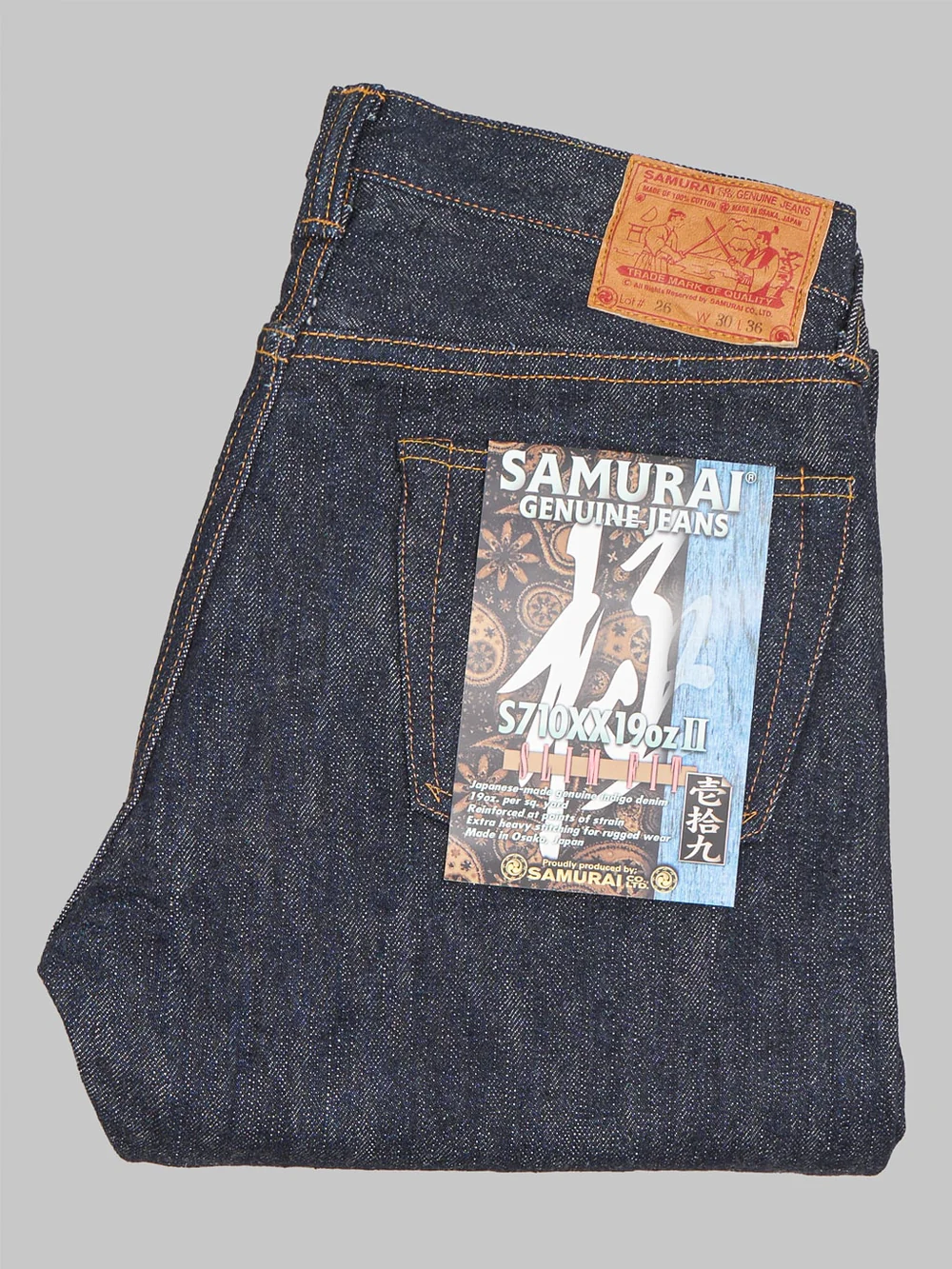

One of the fabrics that put Samurai on the map is the 19 oz. Kiwami selvedge, known for the sharp vertical contrast it develops with wear. Later releases—especially the brand’s 21 oz. denim—reinforced that identity with rigid fabrics that demand patience but reward it with striking fades.
If you care more about how your jeans will look after a year of wear than how they feel on day one, Samurai is one of the strongest choices out there.
You can buy Samurai from these retailers: Franklin & Poe (US), Brooklyn Clothing (CA), Blue in Green (US), and Redcast Heritage (ES).
Warehouse – Vintage Reproduction Authority
Warehouse is one of the most faithful vintage reproduction brands in Japanese denim. Founded by the Shiotani brothers and part of the original Osaka Five, the brand built its reputation by studying mid-century American jeans in obsessive detail and recreating them as accurately as possible.


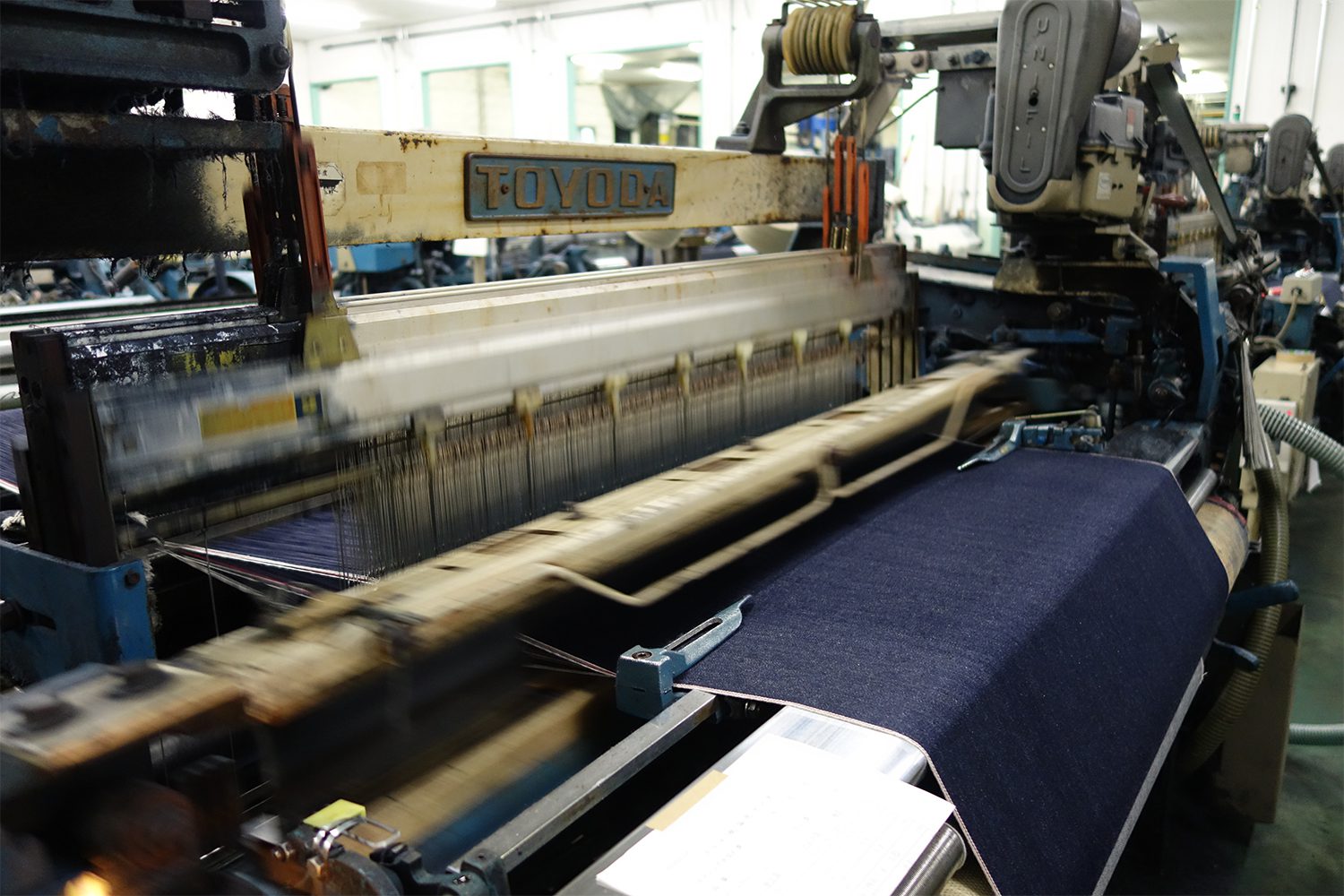
At the centre of that effort is Banner Denim, a 13.5 oz. fabric developed after analysing vintage Levi’s banner cloth from the 1930s. Made from a blend of American cottons and woven on Toyoda G3 looms, it reproduces the grain, softness, and gentle fading of pre-50s denim with remarkable accuracy.
If you want the closest experience to wearing true vintage denim—without chasing fragile originals—Warehouse is hard to beat.
Warehouse is sold at Lost & Found (CA), Cultizm (DE), Hinoya (JP), and Clutch Café (UK).
ONI – Denim Texture Specialists
There’s probably no other brand pushing fabric texture as far as ONI. Founded by Masao Oishi, the brand is known for ultra-low-tension weaves, extreme slub, and a rough, irregular surface that stands out immediately.
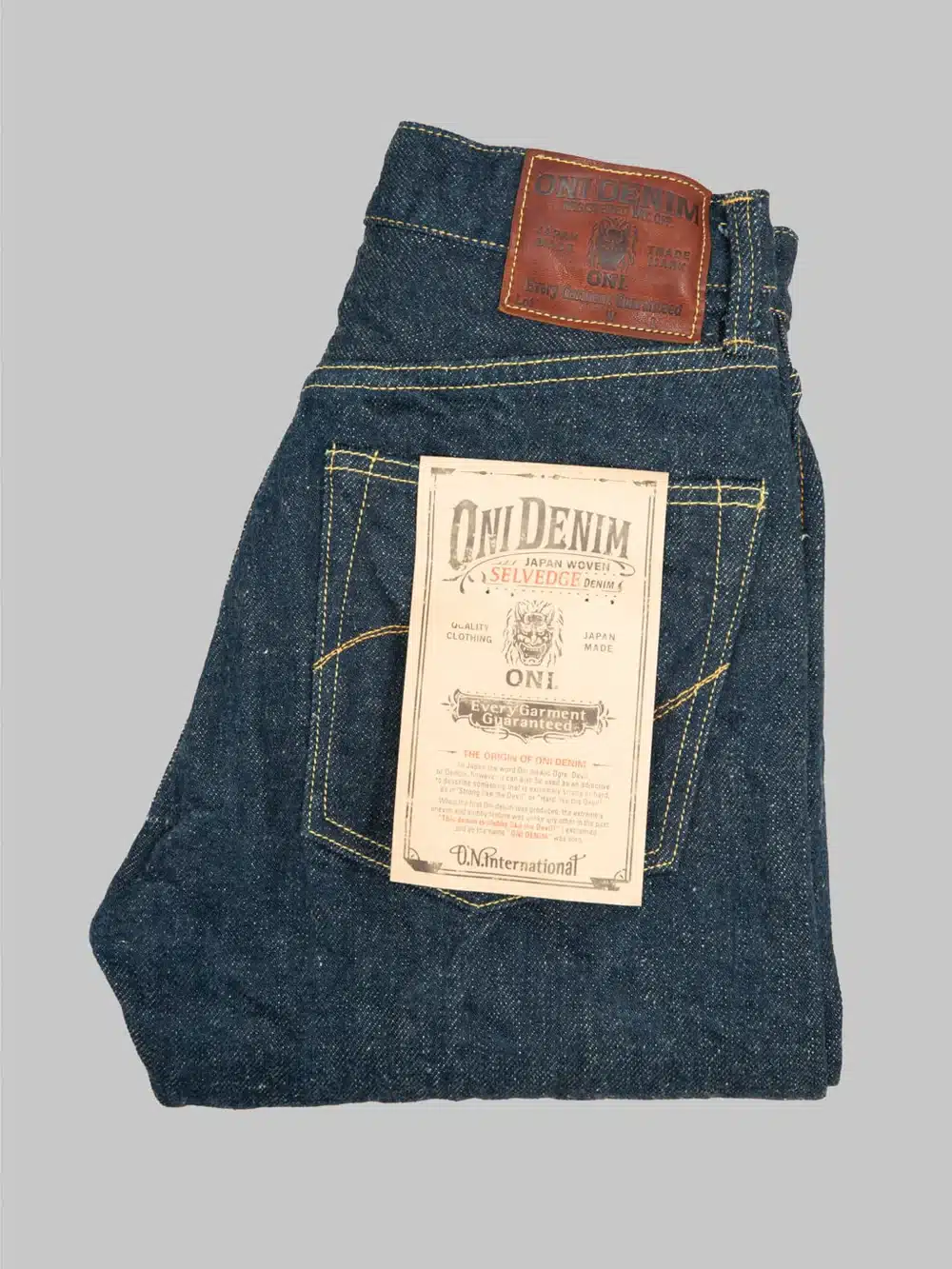
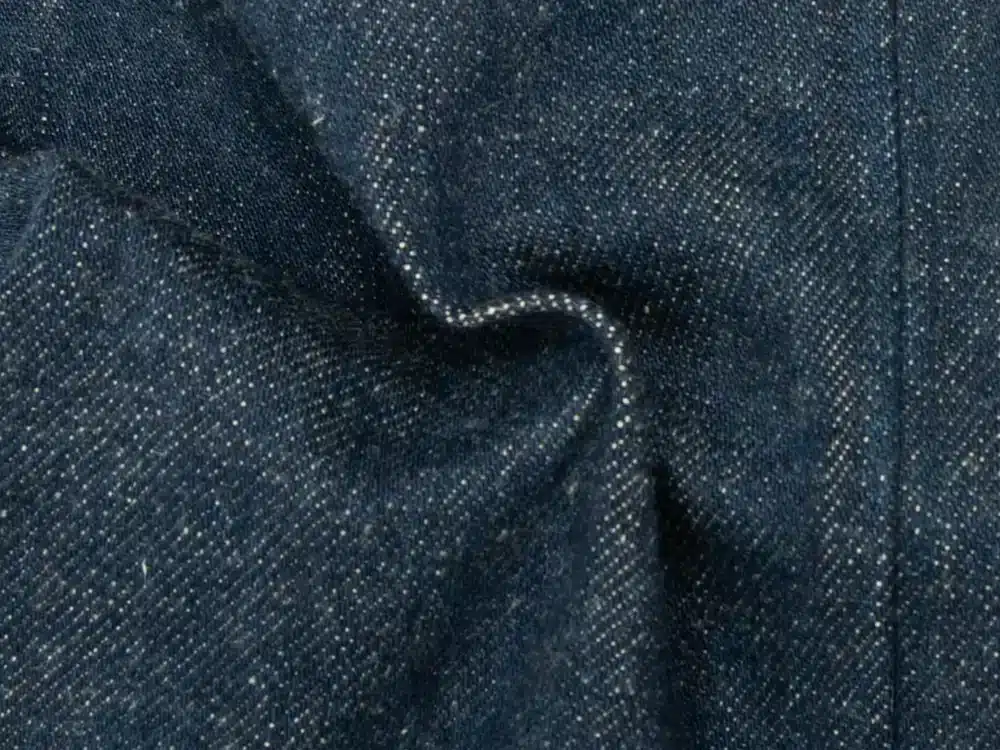
At the centre of that identity is Secret Denim, a heavyweight fabric made from uneven yarns and woven loosely to create a soft, almost spongy feel. It breaks in faster than most heavy denim and fades into deep, muted blues with a distinctive, uneven character.
If you care more about how the fabric looks and feels than how clean or uniform it is, ONI is hard to match.
You can find more Oni products from: Blue in Green (US), Redcast Heritage (ES), and Hinoya (JP)
Studio D’Artisan – Osaka Five Pioneer
Studio D’Artisan is one of the most approachable entry points into Japanese heritage denim. Founded in 1979 by Shigeharu Tagaki, it was the first of the Osaka Five to release a pair of jeans—helping launch the reproduction scene that followed.


From the beginning, the brand has combined careful vintage study with a slightly playful personality, best known for its pig logo—a tongue-in-cheek take on Levi’s iconic two-horse patch. Core models like the SD-101 reflect that balance: classic five-pocket jeans rooted in American workwear but interpreted through Japanese craftsmanship.
If you want a straightforward introduction to Japanese denim—without going too heavy, too rigid, or too niche—Studio D’Artisan is a reliable place to start.
You can buy Studio D’Artisan from these retailers: Redcast Heritage (ES), Division Road (US), Brooklyn Clothing (CA), Hinoya (JP)
More Japanese Brands Worth Exploring
The brands above cover some of the main approaches to Japanese denim—but there’s a much deeper bench of makers worth knowing, each with their own focus.
- Big John – One of Japan’s earliest denim brands and a pioneer of domestically produced selvedge.
- Japan Blue – Designed as an accessible entry into Japanese denim, with fabrics from its own mill and simpler construction that keeps prices relatively low.
- TCB Jeans – Reproduction-focused, known for obsessively recreating specific vintage Levi’s models.
- Pure Blue Japan – Renowned for deeply saturated indigo and textured fabrics with strong fade character.
- Sugar Cane – Toyo Enterprise’s heritage label, specialising in detailed reproductions of vintage American workwear.
- The Flat Head – Known for high-contrast vertical fades and sharply defined indigo patterns.
- The Strike Gold – Heavyweight, highly textured denim with aggressive fade potential.
- Stevenson Overall Co. – Focused on unique construction details and historically inspired designs.
- Momotaro – One of the most recognisable brands, known for its pink inseam and battle-striped pockets.
- Omoto – A new brand founded by the creator of Japan Blue, now applying his experience to more focused, fabric-driven designs.
Beyond these, brands like Edwin Japan, Denime, Freewheelers, Tanuki, orSlow, Resolute, and The Real McCoy’s continue to play important roles in the broader Japanese denim landscape.
AMERICAN DENIM BRANDS
American denim brands build on the original idea of blue jeans, but operate in a very different landscape today—balancing local manufacturing with globally sourced materials. Most rely on Japanese mills for their denim, even when the jeans themselves are cut and sewn in the United States.
Compared to Japanese brands, the emphasis is often less on pushing fabric to extremes and more on fit, wearability, and consistency—though there are plenty of exceptions.
The brands below reflect those different approaches, from classic, no-nonsense jeans to more experimental and design-driven takes on modern denim.
Levi’s Vintage Clothing – The Historical Anchor
If you want the closest thing to the original blue jeans, Levi’s Vintage Clothing is the only place to get it—because even the best Japanese reproductions don’t carry the Levi’s name.
LVC draws directly from the archive that defined blue jeans, recreating specific models with period-correct fabrics, fits, and construction.
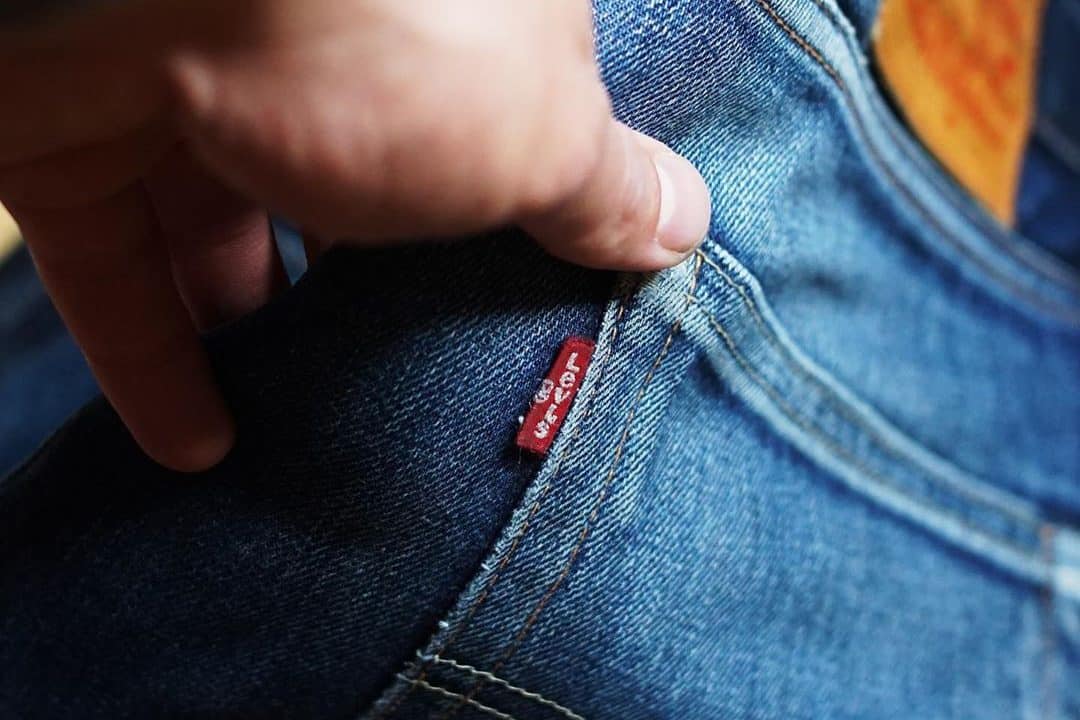
At the centre of the collection is the 501, reproduced as it existed in different eras—from slimmer post-war cuts to roomier mid-century silhouettes. Today, most LVC jeans are made in Japan, using the same kind of specialist mills that supply many of the brands in this guide. For many enthusiasts, the 1947 501 remains the reference point.
Most LVC jeans are shrink-to-fit, meaning the denim is unwashed and hasn’t been pre-shrunk before construction. If you want the original experience without chasing fragile vintage pairs, this is where to start.
You can buy Levi’s Vintage Clothing at Cultizm and Hinoya.
Tellason – No-Nonsense American Jeans
Tellason focuses on doing one thing well: making straightforward, dependable jeans that don’t change with trends. Founded in San Francisco in 2008 by Tony Patella and Pete Searson, the brand has built its reputation on a stable lineup of core fits designed to stay in the collection for years.


Models like the Ankara straight leg and the slim-tapered Ladbroke Grove have become staples, reflecting Tellason’s preference for consistency over seasonal updates. The brand originally used Cone Mills White Oak denim and later redeveloped its fabrics with Japan’s Kaihara mill after the mill closed in 2017.
If you want a solid pair of American-made jeans without overthinking fabrics, fades, or historical details, Tellason is one of the safest places to start.
Read our Tellason Brand Profile to learn more about the brand.
Brave Star – Affordable US-Made Selvedge Jeans
Brave Star is one of the most accessible ways to get into American-made selvedge jeans without paying heritage brand prices. Founded in Los Angeles in 2005 by Mik Serfontaine, the brand relies on direct-to-consumer preorder runs to keep costs unusually low.

All jeans are cut and sewn in the brand’s Los Angeles factory using selvedge denim mostly sourced from Japanese mills, with occasional releases made from Cone Mills White Oak deadstock. The focus is on classic five-pocket construction and traditional American silhouettes.
If you want maximum value from a pair of raw denim that still fades well, Brave Star is one of the easiest places to start.
Learn more in my Brave Star Jeans Buying Guide.
Naked & Famous – Fabric Experimenters
Founded in Montréal in 2008 by Brandon Svarc, Naked & Famous approaches raw denim with a level of fabric experimentation no other brand matches. While many makers focus on historical reproduction, Naked & Famous treats fabric development as an open playground.


All jeans are made in Canada using Japanese denim sourced primarily from mills in Okayama. From there, the brand explores everything from heavily textured fabrics to extreme weights, often releasing limited runs that test new ideas.
Some of these ideas are playful, others surprisingly serious. The long-running Elephant series, for example, has become a benchmark for heavyweight denim experimentation. At the same time, the brand remains relatively accessible in price, making it a common entry point into raw denim.
Naked & Famous is available at: Cultizm (DE), Blue Beach Denim (TW), and DeeCee Style (CH).
Mister Freedom – New Vintage Design
Mister Freedom approaches vintage differently: not by reproducing the past, but by designing new garments that feel like they belong to it. Founded in California by French designer Christophe Loiron, the brand draws on historical workwear and military clothing, then reinterprets those influences through original designs.

The jeans is developed and produced in collaboration with Toyo Enterprises in Japan—the group behind Sugar Cane—giving Mister Freedom access to exceptional fabrics and manufacturing.
Jeans like the Lot 64 Outlaw show the philosophy clearly: the details and silhouettes feel convincingly vintage, yet the garments aren’t tied to any specific historical model. The result is what Loiron calls “new vintage”—original designs rooted in workwear history.
You can buy Mister Freedom at: Franklin & Poe (US), Blue Beach Denim (TW), Cultizm (DE), Clutch Café (UK), Hinoya (JP)
More American Brands Worth Exploring
Beyond the brands above, a wide range of other makers continue to push American denim in different directions—from workshop-based production to direct-to-consumer models and more design-focused approaches.
- Freenote Cloth – Western-inspired denim and workwear with a heavier, more rugged feel than most modern brands.
- KATO – Japanese-American brand known for its signature four-way stretch selvedge.
- Gustin – Direct-to-consumer brand that crowdfunds production and offers Japanese fabrics at very accessible prices.
- Rogue Territory – Modern silhouettes with a more refined, almost tailored approach to denim.
- Unbranded – A stripped-down, affordable entry into raw denim from the team behind Naked & Famous.
- 3sixteen – One of the most respected American brands, blending raw denim with a background in streetwear.
- Railcar Fine Goods – Workshop-made jeans with a focus on durability, repairs, and long-term wear.
- Shockoe Atelier – Clean, understated American-made jeans with a focus on fit and everyday wearability.
The American denim scene runs deeper than any short list. Brands like RRL, Imogene + Willie, Ginew, Buck Mason, Todd Shelton, and even Levi’s continue to play important roles across different parts of the market.
EUROPEAN DENIM BRANDS
Most European denim brands prioritise design and fit over strict historical reproduction or extreme fabric development. That perspective has deep roots, from Italian fashion denim to Scandinavian minimalism.
That same approach extends to production. Many European brands combine fabrics and manufacturing across regions—using mainly Japanese or Italian denim, cut and sewn in Europe.
The brands below range from clean, contemporary fits to more heritage-inspired designs shaped by a European perspective.
Benzak – European Design and Great Denims
Benzak combines well-developed fits with carefully selected selvedge fabrics from the best Japanese mills and Italy’s Candiani, choosing each fabric for its specific character rather than sticking to one source.


That approach shows up in models like the BDD-006 slim taper and BDD-711 straight, where contemporary silhouettes are paired with fabrics that balance structure, texture, and comfort.
Founded in Amsterdam by Lennaert Nijgh, Benzak produces many of its jeans in Portugal. The result is a brand that brings together design, fabric, and production in a way that feels consistent and deliberate.
Benzak is available at: Benzak’s own site (NL), Division Road (US), Cultizm (DE), and Blue Beach Denim (TW).
If you want to dive deeper into the fabrics, fits, and how to choose the right pair, read my Benzak Jeans Buying Guide.
Nudie Jeans – The Gateway to Raw Denim
Few brands have introduced more people to raw denim than Nudie Jeans. Founded in Gothenburg in 2001, the Swedish brand helped bring selvedge denim—and the idea of breaking in your own jeans—into the mainstream.
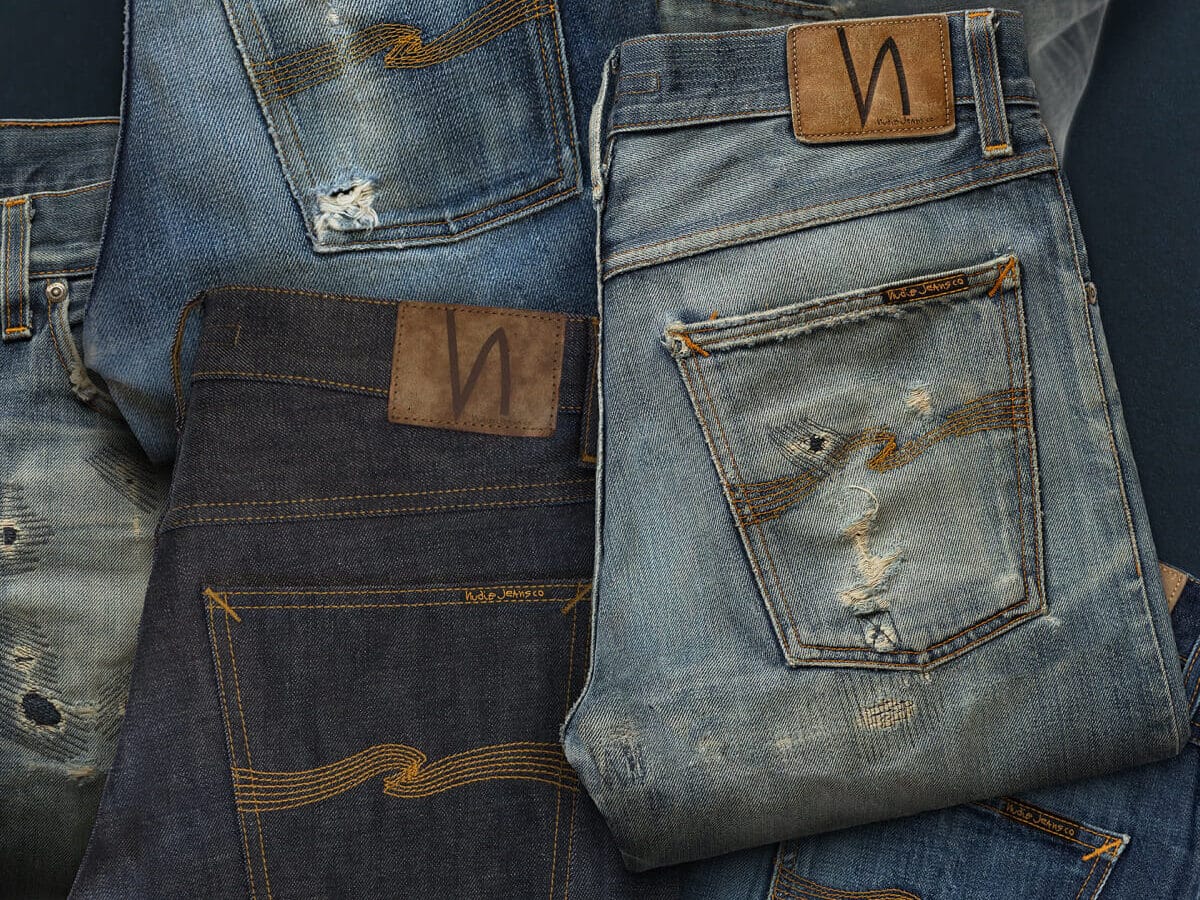
Nudie built its reputation not just on product, but on philosophy: organic cotton, radical transparency, and a global network of Repair Shops that fix worn jeans for free, encouraging long-term wear. At the same time, the brand offers a wide range of fits and a constantly evolving lineup of fabrics, making it easy to find something that works straight off the rack.
For many denim enthusiasts, myself included, Nudie is where it starts. One of my first selvedge jeans was their Average Joe in the original Kaihara denim, and that pair sparked a deeper fascination with how jeans evolve over time. If you’re new to raw denim, it remains one of the easiest places to begin—and one of the most accessible European brands in the category.
Nudie is available at Cultizm (DE), Brooklyn Clothing Co. (CA), and Blue Beach Denim (TW).
SOSO – Made-to-Order Denim, Built Your Way
SOSO takes a fundamentally different approach from most denim brands: instead of choosing from a fixed lineup, you design the jeans yourself. Founded in Sweden, the brand lets you select fabric, fit, and details before each pair is cut and sewn.


That flexibility is backed by a wide range of selvedge fabrics—from lightweight everyday denim to extreme heavyweights—and base fits that can be adjusted to your measurements. Production happens in SOSO’s own factory in Thailand, giving the brand full control over construction and consistency.
For denim enthusiasts who know what they want—or want to figure it out—SOSO offers something few others can: the ability to dial in a pair of selvedge jeans that matches both your body and how you actually want to wear them.
Considering a pair? Read my SOSO Jeans Buying Guide before you order.
Indigofera – Scandinavian Westernwear
Indigofera blends American Westernwear references with a Scandinavian sense of restraint. Founded in Sweden in 2009, the brand creates garments that feel rugged and expressive without tipping into costume.


That balance carries through in both fabric and construction. Indigofera uses Japanese denim and produces in Portugal, pairing textured fabrics with fits like the Clint that are clean, wearable, and built for long-term use rather than strict historical accuracy.
A pair of Clint jeans in Indigofera’s No. 2 denim was also the first time I realised serious jeans don’t have to come from Japan or the United States. That mix of originality, consistency, and everyday wearability is what makes Indigofera stand out among European brands.
Indigofera is sold at: Franklin & Poe (US), Iron Shop Provisions (US), Blue Beach Denim (Taiwan), and Manready Mercantile (US)
Edwin – Japanese Roots, European Everyday Jeans
If you’re wondering why a Japanese brand shows up here, there’s a reason for it. Because while Edwin started in Japan, the version most people encounter today is developed and distributed in Europe under license by the same group behind Carhartt WIP. In practice, that makes Edwin as much a part of the European denim landscape as it is a Japanese one.

Historically, Edwin is one of the original Japanese denim brands, with roots going back to the post-war period and a key role in establishing denim production in Japan. But unlike many of the reproduction-focused Japanese brands in this guide, it has always balanced heritage with a more modern, design-led approach.
Today, Edwin’s European collections focus on contemporary fits and everyday wearability, while still offering Made in Japan jeans at accessible prices. If you want a pair with real Japanese heritage but a more relaxed, modern approach to fit and styling, Edwin is one of the most practical places to start.
Edwin Europe is sold at Statement Store (DE), END. Clothing (UK), and more many.
More European Brands Worth Exploring
Europe’s raw denim scene is smaller than Japan’s or America’s, but it includes a growing number of independent makers working across heritage reproduction, tailoring, and contemporary design. Here are a few more worth knowing:
- Blue Blanket – Italian label by vintage collector Antonio Di Battista, combining Western influences with refined, small-batch Italian production.
- Eat Dust – Belgian brand with roots in motorcycle culture, blending Americana and workwear with a more rugged, lifestyle-driven approach.
- Pike Brothers – German brand focused on straightforward, vintage-inspired workwear with solid construction and accessible pricing.
- Campanion Denim – Barcelona-based workshop producing made-to-order jeans entirely in-house, with full control over construction.
- Dawson Denim – British brand offering clean, vintage-inspired garments with an emphasis on fabric and understated design.
- Ruttloff Jeans – Berlin-based one-man operation where Johann Ruttloff builds jeans with tailoring precision and traditional machinery.
- Superstitch – French brand born from a repair workshop in Paris, specialising in highly detailed reproductions made in Japan.
- Blackhorse Lane – London denim atelier producing locally made jeans with a strong focus on transparency and repairs.
- HebTroCo – British brand focused on UK manufacturing and long-lasting clothing, offering straightforward, durable jeans alongside a broader range of workwear-inspired garments.
- Paul Kruize – Dutch denim tailor specialising in fully bespoke jeans made to the client’s exact measurements.
Europe also has a strong tradition of design-led denim. Brands like A.P.C., Fortela, Our Legacy, and Sunflower take a more fashion-oriented approach, focusing on silhouette, fabric, and how jeans fit into a broader wardrobe.
Weirloom – From Denimhunter to Jeans Maker
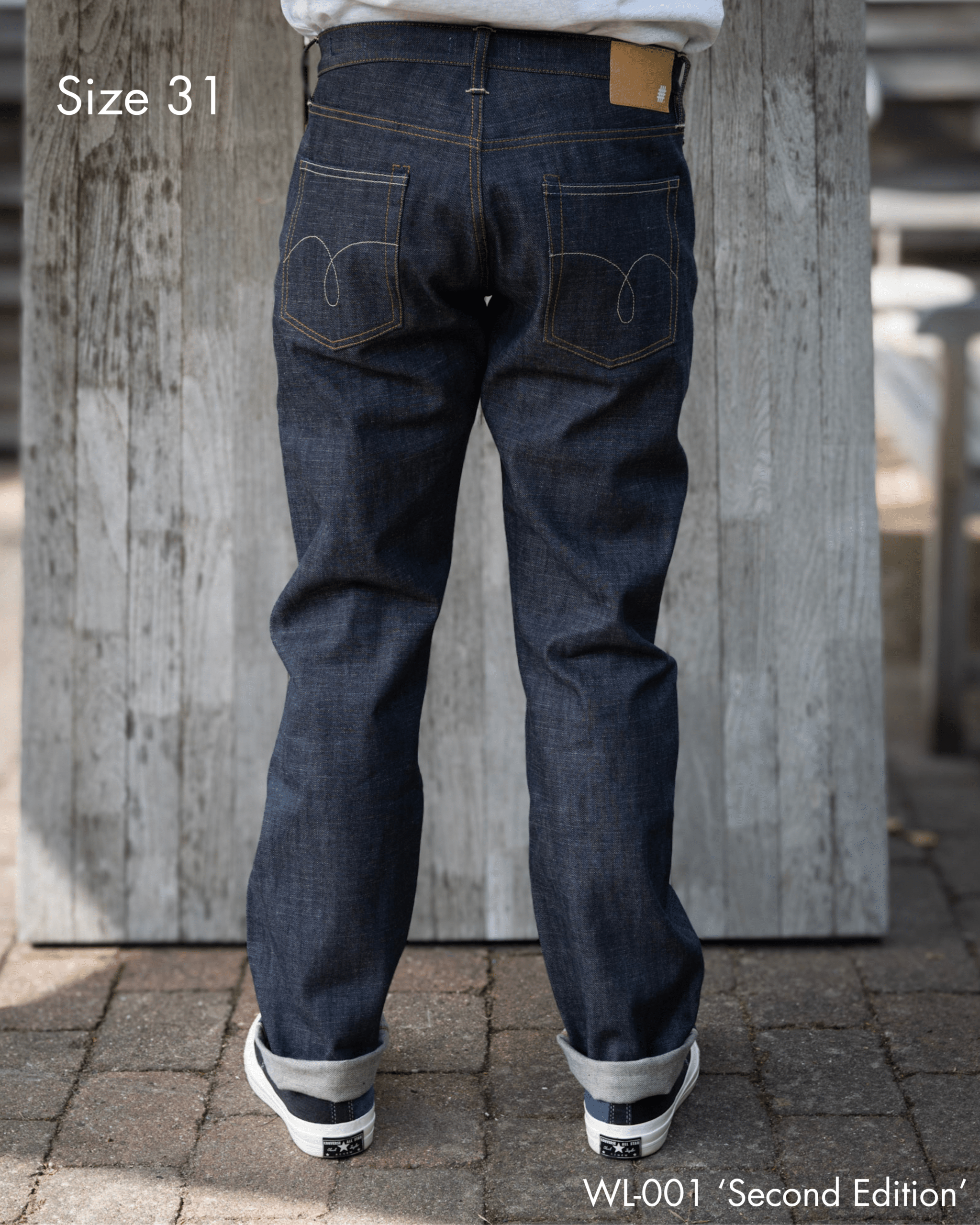
This is my own brand, which makes it the one entry in this guide where I’m not really unbiased. I’ve included it anyway because Weirloom is the product side of what I do, while Denimhunters is the editorial side.


After more than fifteen years of writing about denim—studying fabrics, construction, and how different brands approach the craft—I wanted to apply those principles in practice. Weirloom is the result of that process.
The focus is simple: well-made jeans that are easy to approach but still designed to improve with wear over time. If you’re curious how that translates into a product, you can explore it below.
What Makes These Jeans Different?
The brands in this guide all take different paths—some focus on historical accuracy, others on fabric development, fit, or design. Some are large and widely available; others operate as small workshops producing in limited numbers.
What they share is a clear point of view: denim treated as something to be developed carefully and worn over time, not replaced every season.
If you’re new to this world, don’t overthink it. Pick a brand that fits what you’re looking for—whether that’s heavyweight, vintage, value, or custom—and start wearing your jeans regularly. That’s where the difference becomes clear.
Because in the end, good denim isn’t defined by how it looks on day one, but by how it changes with you.
Find the Right Jeans for You
If you’re narrowing down your next pair, these guides break down specific types of denim and how to choose between them:
- New to raw denim? → Beginner’s Guide to Buying Raw Denim
- Trying to understand fits? → Jeans Fit Guide
- Looking for heavier fabrics? → Heavyweight Denim Guide
- Prefer something lighter? → Lightweight Denim Guide
Keep Track of What I’m Working On
I’m Thomas, founder of Denimhunters. Once a week, I send an email with what I’m working on and writing—new guides, deals, and things worth paying attention to.
The post The Best Raw Denim Brands in the World appeared first on Denimhunters.
DENIM and PATCHES sourced this post originally published on this site